
7 Foods That Quietly Spike Your Blood Sugar and the Smarter Swaps
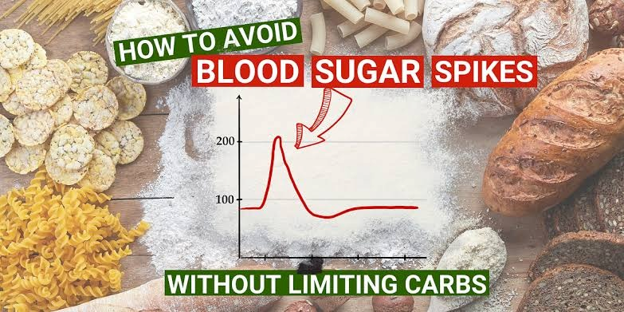
It just means knowing where the hidden sugar and fast-digesting carbs are, and having a few easy swaps ready.
Why Blood Sugar Spikes Matter
When you eat carbohydrates, your body breaks them down into glucose, which enters your bloodstream. Foods that digest quickly send glucose up fast, and your body responds by releasing insulin to bring it back down. Frequent sharp spikes can leave you tired, hungry again soon after eating, and craving more sugar. Over time, repeated swings may raise the risk of long-term health problems, especially for people with diabetes or prediabetes. Pairing carbs with protein, fibre, and healthy fats slows digestion and softens the rise. That simple idea sits behind most of the swaps below.
1. Fruit Juice (Even the "100%" Kind)
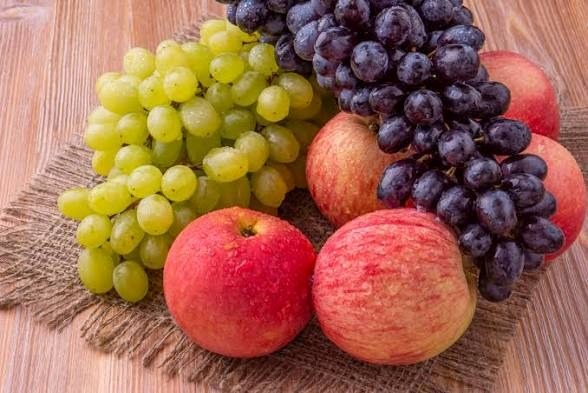
A glass of juice feels like a healthy choice, but it's often a concentrated hit of sugar without the fibre that whole fruit provides. Without that fibre, the sugar enters your bloodstream quickly. Packaged juices can also contain added sugar, which makes things worse. The swap: eat the whole fruit instead, since the fibre slows absorption and keeps you fuller. If you love the taste of juice, try a small glass diluted with water, or blend a whole fruit with some leafy greens and nuts.
2. White Bread and Refined Flour Products
White bread, buns, pizza bases, and many bakery items are made from refined flour that digests very quickly. They behave a lot like sugar once they're broken down, and they rarely keep you full for long. That mid-morning slump after a sandwich or toast isn't your imagination. The swap: choose whole-grain, multigrain, or sourdough bread with visible grains, and check that "whole wheat" is the first ingredient on the label. Add a protein like eggs, paneer, or hummus, and some vegetables, to slow things down even more.
3. Flavoured and Sweetened Yoghurt
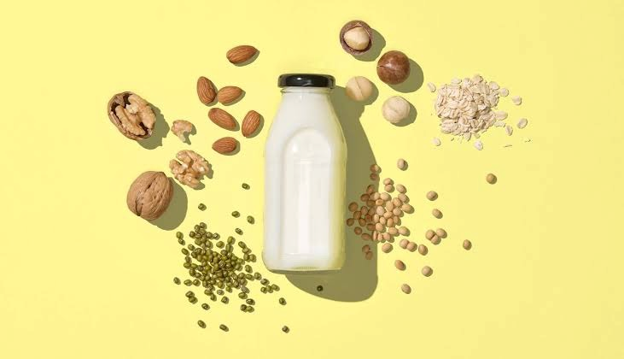
Plain yoghurt is a good source of protein, but fruit-flavoured versions can pack in a surprising amount of added sugar. Some tubs have as much sugar as a dessert, even when the label shows pictures of fresh fruit. Low-fat versions sometimes compensate for lost flavour with extra sweetness. The swap: buy plain, unsweetened yoghurt or curd and add your own fresh fruit, a sprinkle of nuts, or a dash of cinnamon. You control the sweetness, and you get the protein without the sugar surprise.
4. Sugary Breakfast Cereals and Instant Oats
Breakfast cereals are marketed as quick, wholesome starts to the day, but many are high in sugar and low in fibre. Flavoured instant oat packets can be just as bad, since the oats are finely processed and the sweeteners add up fast. A big bowl first thing can send your blood sugar up and leave you hungry long before lunch. The swap: go for steel-cut or rolled oats, cooked with milk or water and topped with nuts, seeds, and berries. Or choose a protein-rich breakfast such as eggs, besan chilla, or moong dal cheela.
5. "Healthy" Snack Bars and Granola
Granola, protein bars, and energy bars look like the sensible option, but many are essentially sweets in a healthier-looking wrapper. They can contain syrups, honey, dried fruit, and added sugar, all of which push blood sugar up. Reading the ingredient list tells you more than the front of the pack. The swap: keep it simple with a handful of unsalted nuts, roasted chana, or a small piece of fruit with peanut butter. If you do buy bars, look for ones with short ingredient lists, higher protein and fibre, and low added sugar.
6. Large Portions of White Rice
White rice isn't "bad," and it's a staple in many cuisines, but a big plate eaten on its own can raise blood sugar quickly. The polished grain is low in fibre, so it's digested fast, especially when portions are large. The way you eat it matters as much as the rice itself. The swap: reduce the portion and fill more of your plate with vegetables, dal, and protein. You can also try brown rice, millets, quinoa, or mixed grains, and eating the vegetables and protein first may help blunt the rise.
7. Sauces, Ketchup, and Ready-Made Dressings
Sugar loves to hide in condiments. Ketchup, sweet chilli sauce, barbecue sauce, and many salad dressings contain added sugar, and because you use them in small amounts, you rarely notice. Over a week of meals, those small amounts can add up. The swap: make a simple dressing at home with olive oil, lemon juice, mustard, and herbs. For dips and spreads, try mint chutney, hung curd, or hummus, and always check labels for sugar in all its disguises, like syrup, dextrose, or maltose.
Small Habits That Make Every Meal Gentler
You don't have to overhaul everything at once. Start by adding protein and fibre to meals, since that combination slows digestion. Eating vegetables before carbs, keeping portions sensible, and going for a short walk after meals can all help too. Drink water through the day, and try to get enough sleep, because poor sleep can make blood sugar harder to manage. Most importantly, pick two or three changes you can stick with rather than chasing a perfect diet. Consistency beats intensity here.
Final Thoughts
Blood sugar spikes don't come only from dessert. They sneak in through juices, breads, cereals, snack bars, and even sauces we barely think about. The good news is that smarter swaps are usually simple, affordable, and still tasty. Start small, read labels, and focus on balanced plates. If you have diabetes, prediabetes, or any health concerns, speak with a doctor or registered dietitian before changing your diet. This article is for general information and isn't medical advice.
Frequently Asked Questions
1. Which foods spike blood sugar the fastest?
Refined and sugary foods like fruit juice, white bread, sweetened cereals, and sugary drinks tend to raise blood sugar quickly because they digest fast and lack fibre.
2. Is fruit bad for blood sugar?
Whole fruit is generally a good choice because its fibre slows sugar absorption. Juice and dried fruit are more concentrated, so portions matter more.
3. Can I still eat rice if I'm watching my blood sugar?
Many people can, in moderate portions. Pair rice with vegetables, dal, and protein, and consider whole grains or millets for extra fibre.
4. How can I reduce a blood sugar spike after a meal?
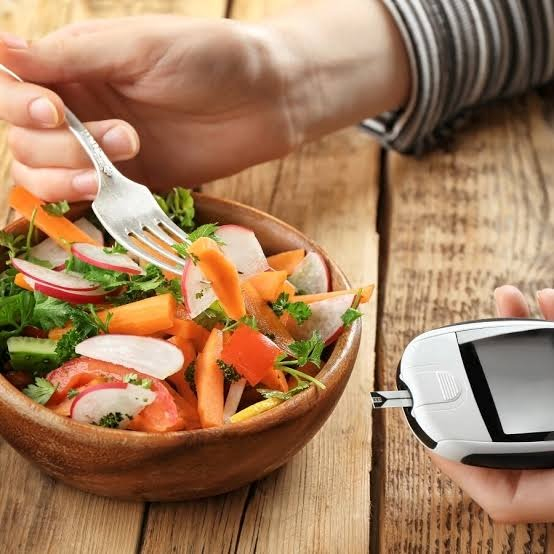
Add protein, fibre, and healthy fats to your meal, eat vegetables first, and take a short walk afterwards. These habits can help soften the rise.
5. Are "sugar-free" or "healthy" labelled foods always safe?
Not always. Some still contain refined flour, syrups, or other carbohydrates that raise blood sugar, so check the full ingredient list and nutrition panel.
Latest Posts