
Digital Detox in 2026 Why More People Are Switching to Dumb Phones
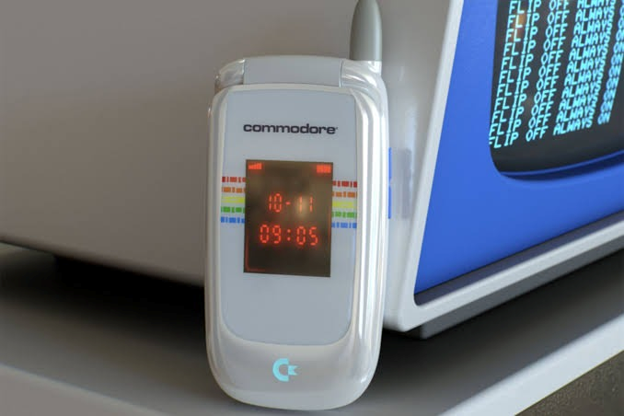
The humble "dumb phone", a basic handset with calls, texts, and not much else, is quietly winning fans. Before we get carried away, let's look at what's actually happening and whether it could work for you.
What Exactly Is a Dumb Phone?
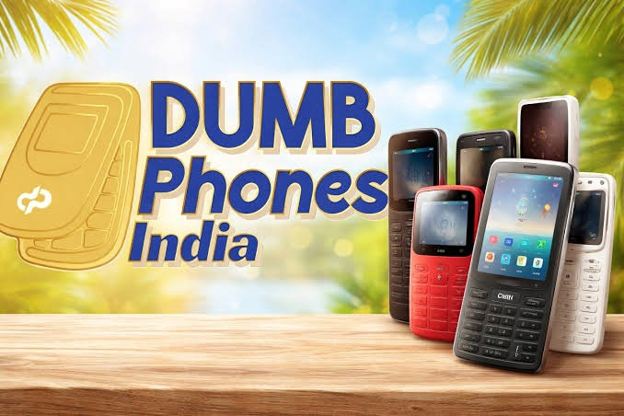
A dumb phone, also called a feature phone or basic phone, does the essentials and little more. You can call, text, set an alarm, and often listen to music or use a simple camera. These phones often lack features such as cameras and apps. Some modern versions add extras like maps, messaging, or a hotspot, which makes them more practical than the old brick you remember. They tend to have long battery life, a lower price, and a smaller screen that's simply less tempting to stare at. Think of it as a phone that does its job and then politely gets out of your way.
Is the Trend Real? What the Numbers Say
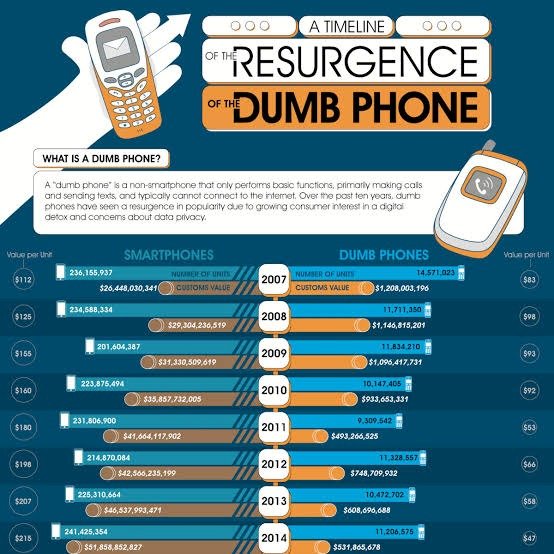
It's worth being careful here, because headlines love to exaggerate. Dumb phones are still a small slice of the handset market, but the growth is real. UK payment provider Clearpay said its basic phone sales rose 24% in the 12 months to June 2026 compared with the year before. Other markets have reported similar jumps, with one Argentine outlet citing a rise of more than 200% in dumb phone sales in Spain. Those are company and media figures rather than a global census, so treat them as signs of direction instead of exact totals. The honest takeaway is that interest is climbing quickly from a small base.
Why People Are Walking Away From Their Smartphones
The reasons are surprisingly emotional. Many people feel their phone has become a slot machine for attention, with endless feeds, constant alerts, and a nagging urge to check just once more. Social media fatigue, doomscrolling, and the pressure to always be available have all added to the weight. Sleep suffers when the phone is the last thing you see at night and the first thing you reach for in the morning. Parents are worried about their children too, and a survey of UK parents found 62% of those whose children already had smartphones had considered technology to limit their access to social media and the internet. For many, the dumb phone isn't a rejection of technology, but a way of taking control back.
Who Is Leading the Shift?
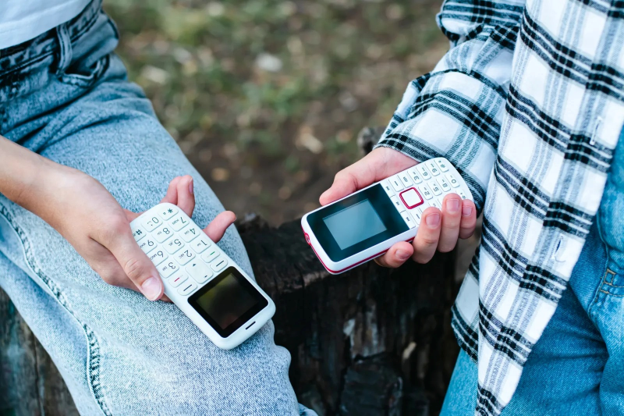
Younger adults are some of the loudest voices, which surprises people who assume Gen Z is glued to screens. Growing up with algorithmic feeds has made some of them the first to feel burned out by them. Commentary around this trend points especially to Gen Z and young professionals moving away from algorithmic feeds. Parents, students, and people in high-focus jobs are joining too, along with those who simply want quieter evenings. Nostalgia plays a part, since flip phones feel playful and tactile in a way glass slabs don't. And for some, it's less ideology and more curiosity about what life feels like without constant pings.
The "Weekend Phone" and Other Flexible Approaches
You don't have to go all in. A popular approach is to keep your smartphone for work during the week and switch to a basic phone for weekends, trips, or social events. Reports describe people swapping their SIM into a flip phone for weekend breaks and gatherings so they can stay present. Others keep the smartphone at home as a "base station" and carry the simple phone when they go out. Some people delete social apps and leave the smartphone in a drawer for most of the day. The point is to design a setup that suits your life instead of copying someone else's.
What You Gain
The most common benefits people describe are focus, calm, and more time. Without a feed in your pocket, boredom turns into thinking, reading, or actually talking to the person next to you. Battery anxiety fades, since many basic phones last for days. You spend less money, because the handsets are cheaper and there's less temptation to buy things on impulse. Your evenings and mornings can feel quieter too, which may help you wind down. None of this is guaranteed, but many people report that the change feels bigger than they expected.
What You Give Up
It's not all peace and mindfulness, and it would be unfair to pretend otherwise. Modern life leans heavily on smartphones, and many everyday tasks are built around them. Think of mobile banking and payment apps, ride-hailing, navigation, two-factor authentication codes, QR codes, and work messaging groups. Photos and videos are usually basic, and typing on a keypad can be slow. Some people also feel left out of group chats or events organised online. Before switching, list the apps you truly depend on and check whether there's a workable alternative.
How to Try a Digital Detox Without Going Extreme
If a full switch feels daunting, start smaller and see how it feels. Turn off non-essential notifications, move social apps off your home screen, and set a "no phone" hour before bed. Charge your phone outside the bedroom and use a regular alarm clock instead. Try a weekend or a week with a basic phone before committing, ideally by borrowing or buying a cheap one. Tell friends and family so they know how to reach you. Treat it as an experiment and notice how you feel, rather than a test you can fail.
Final Thoughts
The dumb phone revival isn't about hating technology, and it won't suit everyone. For some people it's a reset button, and for others it's a weekend accessory or just a curious experiment. What it reveals is a growing wish to use technology on our own terms, rather than the other way around. You don't need to throw your smartphone in a river to benefit from that idea. Even small changes in how you use it can make your days feel noticeably lighter.
Frequently Asked Questions
1. Are dumb phones really making a comeback in 2026?
Yes, though from a small base. Retailers and surveys point to growing interest, such as a 24% rise in basic phone sales reported by Clearpay in the UK, but smartphones still dominate the market.
2. Can a dumb phone really help reduce screen time?
For many people it does, because there are no endless feeds or app notifications to pull at your attention. Results vary, and some people simply move their scrolling to a laptop or tablet.
3. What can I do on a modern dumb phone?
You can make calls, send texts, set alarms, and often use a basic camera and music player. Some newer models also support hotspots and a few simple apps.
4. What are the main downsides of switching?
You may lose easy access to banking apps, maps, ride-hailing, QR payments, and two-factor authentication. Messaging groups and photos can also be more awkward.
5. How do I start a digital detox without ditching my smartphone?
Try limiting notifications, moving social apps off your home screen, and keeping your phone out of the bedroom. A "weekend phone" setup, where you use a basic phone on weekends, is another gentle option.
Latest Posts