
Humidifier Hacks How Indoor Heating Is Wrecking Your Skin and What to Do About It
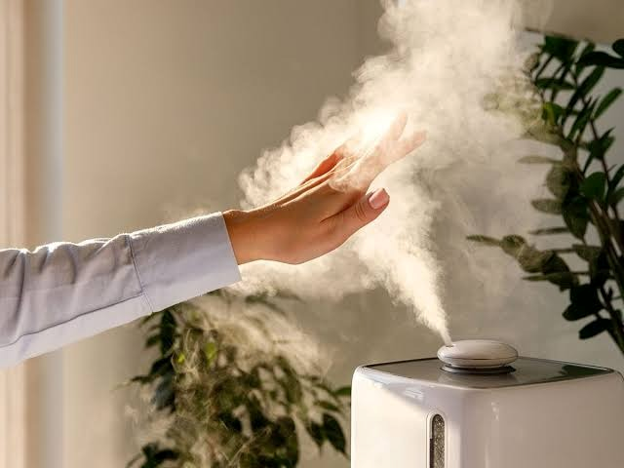
Heaters, blowers and closed windows quietly pull moisture out of the air, and your skin is the nearest thing to take it from.
What Indoor Heating Does to Your Skin
Warm air can hold more moisture, but heating a room doesn't add any, so the air ends up feeling much drier than it did outside. Your skin's outer layer then loses water faster than usual, a process people sometimes call transepidermal water loss. The result is tightness, rough patches, itchiness and a face that looks tired by noon. Lips crack, hands chap, and even oily skin can feel dehydrated underneath. It's not that your skincare has failed, it's that the environment is working against it.
Where a Humidifier Fits In
A humidifier adds moisture back into the room, which takes some pressure off your skin barrier. Think of it as supporting your routine, not replacing it. You still need a good cleanser, a decent moisturiser and sunscreen, but they don't have to fight the air all day. Many people notice that their skin feels softer and less tight after a few nights in a better-balanced room. It won't work miracles, though, and it won't fix a skin condition. It simply removes one of winter's biggest irritants.

Finding a Comfortable Humidity Level
More isn't better here. Indoor humidity in the range of roughly 30 to 50 percent is commonly suggested as comfortable for most people. Too little leaves skin and airways dry, while too much encourages mould, dust mites and a damp, stuffy feel. A small, inexpensive gadget called a hygrometer tells you the actual reading, and many humidifiers have one built in. If windows are fogging heavily or the room feels clammy, dial it back. The goal is a gentle balance, not a rainforest.
Picking the Right Type
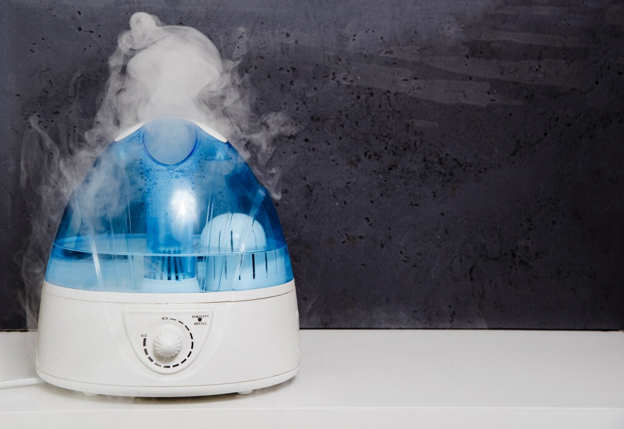
Cool-mist and warm-mist humidifiers both add moisture, but they work differently. Ultrasonic cool-mist models are quiet and popular, though they can leave a fine white dust if you use hard tap water. Evaporative ones use a fan and a wick, and they're a bit noisier but often self-regulate better. Warm-mist units heat the water, which some people like in cold rooms, but they need extra care around children and pets. Match the size to your room, because a tiny unit in a big space does very little. If you're unsure, start with a modest, easy-to-clean model.

Where to Put It
Placement matters more than you'd think. Set the humidifier on a stable, water-resistant surface a little above floor level, and keep it a few feet away from your bed so the mist doesn't drift onto bedding. Don't place it right against walls, curtains or electronics, since damp patches can form. Bedrooms are the obvious choice, since you spend hours there, but a work-from-home corner works too. Keep the door mostly closed so the room can actually reach a comfortable level. And aim the mist into open air, not at furniture.
Clean It Properly or Don't Bother
A neglected humidifier can do more harm than good. Standing water and damp parts are an inviting home for bacteria and mould, and the device can spread them into the air you breathe. Empty it, rinse it and let it dry regularly, and follow the manufacturer's cleaning instructions for deeper scrubs. Change the water every day instead of topping it up. Use distilled or demineralised water if your tap water is hard, as that cuts down the white residue and limescale. If you're not willing to clean it, it's honestly better not to use one.
Pair It With Smart Skincare
A good room and a good routine make a great team. Apply moisturiser soon after washing, while your skin still holds a bit of water, so it can seal that in. Choose gentler cleansers in winter, and keep showers short and lukewarm instead of steaming hot. Lip balm, hand cream and a gentle serum with humectants like glycerin or hyaluronic acid can all help. Don't forget sunscreen, even when the sky is grey. When the air and your products work together, the difference is easier to feel.
Cheap Tricks If You Don't Own a Humidifier
You don't need a gadget to improve things a little. Place wide bowls of water near radiators or heaters, where they can evaporate slowly. Dry clothes indoors on a rack, which releases moisture into the room, though watch for damp walls. Houseplants add a touch of humidity as well, and they brighten the place. Turning the heater down a notch also helps, since overheated rooms get much drier. These small fixes won't match a proper humidifier, but they're better than nothing.
When It Might Be More Than Dryness
Sometimes dry, itchy skin is a sign of something beyond winter air. If you have persistent redness, painful cracking, intense itching, or patches that don't improve after a couple of weeks of care, see a dermatologist. People with eczema, asthma or allergies should talk to their doctor before using a humidifier, since too much moisture or a dirty unit can aggravate symptoms. Don't use essential oils or additives in your humidifier unless the manufacturer says it's safe. Plain, clean water is usually the best option.
Final Thoughts
You can't control winter, but you can soften its effect on your skin. A well-used humidifier, kept clean and set to a sensible level, helps your routine do its job. Add gentle skincare habits and a few simple tricks, and the tight, flaky feeling often eases. Keep it simple, and don't overdo it. Your skin will tell you when you've got the balance right.
Frequently Asked Questions
1. Does a humidifier really help with dry skin?
It can. By adding moisture to dry indoor air, it reduces how fast your skin loses water. It works best alongside a good moisturiser, not instead of one.
2. What humidity level is best for skin?
Many experts suggest around 30 to 50 percent for comfort. Going much higher can encourage mould and dust mites, so a hygrometer is useful.
3. Should I use tap water or distilled water?
Distilled or demineralised water helps prevent white dust and mineral buildup, especially in areas with hard water. Always follow your device's instructions.
4. How often should I clean a humidifier?
Change the water daily and rinse the tank regularly. Do a deeper clean as the manufacturer recommends, because dirty units can spread bacteria and mold.
5. Can I sleep with a humidifier all night?
Many people do, as long as the room doesn't become damp or clammy. Keep it a few feet from the bed and switch it off if you notice condensation on windows.
Latest Posts