
Is Cold Water Really Making You Sick The Truth and the Winter Hydration Habits That Help
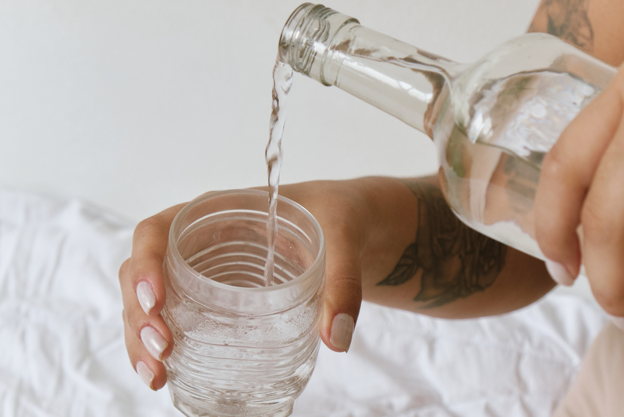
The real picture is a bit more interesting, and a lot less scary. Let's separate what's true from what's just a stubborn belief.
What Actually Causes Colds and Coughs
Colds and most seasonal coughs come from viruses, not from the temperature of what you drink. You pick them up from other people, from shared surfaces, or from touching your face after touching something contaminated. Winter makes it easier because we spend more time indoors, close together, in poorly ventilated rooms. Cold weather can also dry out the lining of your nose and throat, which may make it easier for germs to take hold. None of that involves the water in your bottle. A cold drink can't introduce a virus into your body.
So Why Does Cold Water Seem to Cause Trouble?
The belief survives because there's a grain of truth behind it. If your throat is already sore or inflamed, an icy drink can feel harsh and make the discomfort more noticeable. Some people also get sensitive teeth, a brief headache or a tight feeling in the chest after gulping something very cold. Timing plays a trick too. You may have been brewing a cold for a day or two, then drink something chilled, and the symptoms appear to follow the glass. In reality, the infection was already on its way.
Who Might Genuinely Feel Worse
For most healthy people, cold water is harmless, but a few groups may find it uncomfortable. If you have a sore throat, a cough or tonsil trouble, lukewarm or warm fluids are often more soothing. People with sensitive teeth can wince at very cold drinks. Some people who get migraines notice that icy liquids can trigger or worsen a headache. Others find that cold drinks with meals bother their digestion, though experiences vary a lot. If cold water doesn't feel good to you, switching to a milder temperature is a perfectly reasonable choice.
The Real Winter Problem: Drinking Too Little
Here's what actually deserves attention. In cold weather, we feel less thirsty, so we drink less, even though our bodies still need plenty of fluid. Indoor heating dries the air, and layers of clothing hide how much we're sweating. You also lose moisture every time you breathe out that visible puff of air on a chilly morning. Mild dehydration can bring headaches, tiredness, dry skin, cracked lips and trouble concentrating. Many people blame the weather for symptoms that a few more glasses of water might ease.

Warm Fluids Feel Good, and That Counts
There's a reason hot drinks feel like a hug in winter. Warm liquids can soothe a scratchy throat, loosen congestion a little and simply make you feel comforted when you're under the weather. Herbal teas, warm water with lemon, clear soups and broths all count towards your fluid intake. They also make it easier to keep drinking, which matters more than the exact temperature. You don't need to treat them as medicine, since they won't cure a cold. But if warm water gets you to drink more, it's doing its job.
Habit 1: Sip Throughout the Day
Waiting until you're thirsty is a poor strategy in winter, because your thirst signal is dulled. Keep a bottle or glass within sight and take small sips regularly. Link drinking to daily moments, like a glass after waking up, one with each meal and one when you sit down at your desk. A simple trick is to set a phone reminder for the afternoon, when most people forget. Small, steady intake works better than one giant gulp in the evening. Your body absorbs fluids more comfortably that way too.
Habit 2: Choose a Temperature You'll Actually Enjoy
The best water is the water you'll drink. If room-temperature or lukewarm water feels better in winter, go with that. If you like cold water, there's no good evidence that it makes healthy people ill, so there's no need to feel guilty. When your throat is sore, switching to warm fluids is a sensible comfort measure. Don't let a myth make you avoid fluids altogether. Hydration matters more than the thermometer reading of your glass.
Habit 3: Count Foods and Other Drinks
Water isn't your only source of fluid. Soups, dal, fruits like oranges and apples, vegetables, milk and herbal teas all contribute. Be mindful of caffeine and sugary drinks, which are easy to overdo when it's cold. Too much tea or coffee on a chilly day can leave you feeling dry rather than hydrated. Alcohol can also dehydrate you, especially during festive gatherings. Build your day around a mix of fluids, with water as the main anchor.
Habit 4: Protect Your Skin and Throat
Hydration works hand in hand with a few other winter basics. Use a humidifier or a bowl of water in a very dry room if the air feels harsh. Moisturise soon after bathing and carry a lip balm. Wash your hands often, since that does far more to prevent colds than avoiding cold water ever will. Rest well, eat reasonably, and keep your living spaces ventilated. If symptoms like fever, breathlessness, severe throat pain or a cough lasting weeks show up, check in with a doctor.
Final Thoughts
Cold water isn't the villain it's made out to be. Germs make us sick, not the temperature of our drinks, though a sore throat can make icy water feel unpleasant. The bigger winter risk is simply not drinking enough. Choose a temperature that's comfortable, sip steadily, count your soups and teas, and listen to your body. This article is for general information and isn't medical advice, so speak to a doctor about any persistent or worrying symptoms.

Frequently Asked Questions
1. Can drinking cold water give you a cold?
No. Colds are caused by viruses, not by water temperature. Cold water may feel irritating if your throat is already sore, but it doesn't cause the infection.
2. Is warm water better than cold water in winter?
It isn't necessary for health, but many people find it more comfortable and soothing, especially with a sore throat. Choose whichever helps you drink enough.
3. How much water should I drink in winter?
Needs vary by body size, activity and climate, so there's no single number. A good sign is pale yellow urine, and sipping regularly through the day usually works well.
4. Why do I feel less thirsty in winter?
Cold weather can dull the thirst signal and you sweat less visibly. You still lose fluids through breathing and dry indoor air, so it's wise to drink on a schedule.
5. When should I see a doctor about a sore throat or cough?
If you have a high fever, trouble breathing, severe throat pain, or symptoms that last more than a couple of weeks, see a doctor.
Latest Posts