
Nothing, CMF, Realme The Budget Phone Brands Eating Into Premium Market Share
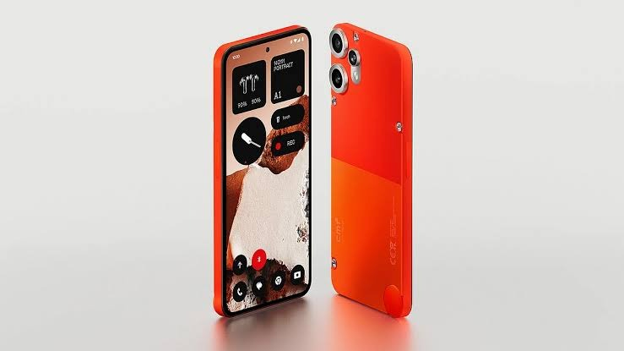
But 2026 has thrown a genuine wrench into that momentum: a global memory chip shortage has pushed component costs so high that Nothing actually canceled its next CMF phone for the year entirely. The budget segment isn't disappearing, but the easy, aggressive undercutting that defined it for years just got a lot harder to pull off.
How These Brands Actually Built Their Reputation
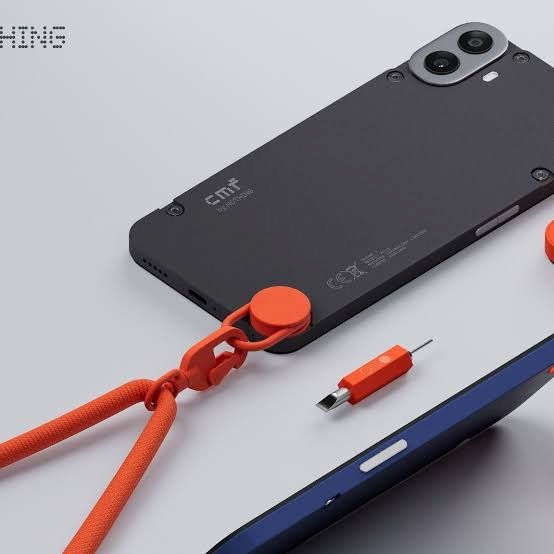
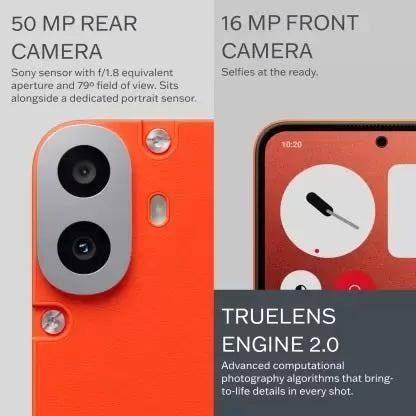
Nothing carved out its identity by making budget hardware look and feel genuinely different, not just cheaper. Its transparent glass back and Glyph Interface lighting became instantly recognizable, while CMF, spun off as its own company in 2025, took that same design sensibility and stripped it down to an even lower price point. The CMF Phone 2 Pro, launched in April 2025 at $279, added a telephoto camera and NFC missing from its predecessor and was widely described by reviewers as resetting expectations for what a budget Android phone could include.
Realme has taken a more numbers-driven approach to the same goal. Its 2026 pricing strategy was built around matching flagship performance at a steep discount rather than competing on the cheapest possible price tag alone. The $399 16 Pro 5G reportedly delivers roughly 94% of the camera throughput of Realme's own GT 7 Pro flagship at just over half the price, while even the $121 entry-level C53 now ships with a 5,000mAh battery and 33W fast charging, specs once reserved for phones costing twice as much.
The Numbers Behind the "Eating Into Premium" Story
The growth data backs up the headline, at least through most of 2025. IDC identified Nothing, including CMF, as the fastest-growing smartphone brand in India that year, with shipments up 85% year-on-year in the second quarter alone, pushing its domestic market share to roughly 2%. That's a meaningful foothold in one of the world's largest, most competitive smartphone markets, built almost entirely on phones priced well below what most premium brands would consider viable.
India's own market dynamics explain a lot of why this worked. Phones priced under $200 accounted for more than 40% of all shipments in the country, according to Nothing's own reasoning when it announced CMF's spin-off, a scale of price sensitivity that gave a well-designed budget phone real room to disrupt buying habits that would otherwise default to more established, pricier names.
The 2026 Curveball: When "Cheap and Good" Got a Lot Harder
Here's where the story gets more complicated than a straightforward underdog win. Memory chip prices spiked dramatically through 2026, with NAND flash costs rising 37% year-over-year and LPDDR5X DRAM climbing 29%. For budget phones specifically, the math turned brutal: memory costs swallowed almost 60% of the total bill of materials for sub-$400 phones in the first quarter of 2026, climbing past 64% for devices priced under $99.
Nothing felt this most directly. The company confirmed it would not launch any new CMF-branded phone during 2026 at all, after concluding it couldn't build a meaningful upgrade to the CMF Phone 2 Pro at a price that still fit the brand's budget positioning. Co-founder Akis Evangelidis said a phone matching the CMF Phone 2 Pro's specifications would cost roughly 50% more to produce under current conditions, and CEO Carl Pei noted separately that memory costs for the Nothing Phone 4a doubled between the moment the company committed to building it and its eventual launch, then doubled again after that.
The effect isn't isolated to one brand. Industry-wide, global shipments of phones priced under $400 are projected to fall 22% in 2026, even as the broader smartphone market contracts by a more modest 12%, suggesting budget devices are absorbing a disproportionate share of the pain from rising component costs.
So Are They Actually Winning, or Not?
The honest answer is both, depending on which part of the story you're looking at. On brand momentum and consumer perception, Nothing, CMF, and Realme have genuinely succeeded in making budget devices feel less like compromises and more like smart purchases, and that reputation isn't disappearing just because of a rough supply chain year. Realme's revenue per unit actually rose 22% year-over-year despite a 3-point market share dip in India, suggesting customers are willing to pay somewhat more when the value proposition still holds up.
But the pure price-disruption strategy that fueled the early growth story is under real pressure. Rising component costs are pushing even budget-focused brands toward higher price points or reduced specs, and CMF's paused 2026 lineup is the clearest sign yet that undercutting premium brands on price alone isn't a strategy that scales indefinitely once hardware costs shift beneath it.
What This Means for Anyone Shopping in This Segment Right Now
If you're looking at a budget phone this year, expect somewhat higher prices for the same feature set compared to a year or two ago, and don't assume the newest model in a lineup is automatically the best value, since some brands are stretching older hardware further rather than releasing genuinely new budget devices. Realme's mid-range tier, roughly $350 to $500, is being positioned by industry analysts as the sweet spot for most typical users right now, offering close-to-flagship performance without paying the premium tier's full price.
FAQs
1. Why did Nothing cancel its 2026 CMF phone?
Rising memory chip costs made it impossible to build a meaningful upgrade to the CMF Phone 2 Pro at a price that still matched the brand's budget positioning, according to the company's own statements.
2. Is the budget phone market shrinking in 2026?
Global shipments of phones under $400 are projected to fall 22% this year, driven largely by memory chip cost increases, even as brands like Realme continue growing revenue per unit.
3. Which budget brand is growing fastest right now?
Nothing, including its CMF sub-brand, was identified as the fastest-growing smartphone brand in India in 2025, with 85% year-on-year shipment growth.
4. Is it still worth buying a budget phone in 2026?
Yes, though expect somewhat higher prices than in previous years. Mid-range devices in the $350-$500 range currently offer the strongest balance of performance and value according to industry analysts.
Latest Posts