
SIP vs Lump Sum Which Actually Builds More Wealth for Beginners

The truth is that neither is automatically better, because the right choice depends on your money, your mindset, and the market you're stepping into. Let's break it down in plain language so you can decide with a clear head.
What a SIP Actually Is
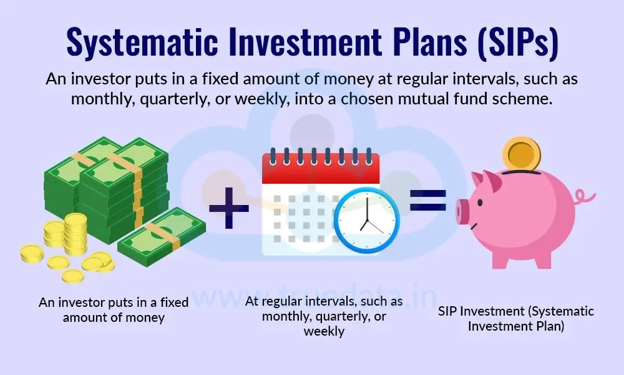
A Systematic Investment Plan, or SIP, lets you invest a fixed amount in a mutual fund at regular intervals, usually every month. You might put in a modest sum on the same date each month, and the money is deducted automatically from your bank account. Because the amount is fixed, you buy more units when prices are low and fewer when prices are high. Over time, this smooths out the average price you pay, a idea often called rupee cost averaging. It's built for people who earn a regular income and want to invest gradually without having to think about it every month. Most platforms let you start with a small amount, which is why SIPs are so popular among beginners.
What a Lump Sum Means
A lump sum is exactly what it sounds like. You invest a large amount in one go, perhaps from a bonus, an inheritance, savings you've built up, or the proceeds from selling something. Your entire amount starts working from day one, so it has the maximum time to grow if the market moves upward. The flip side is that you've committed everything at a single price point. If the market drops soon after, you feel the hit on your full amount straight away. That's why lump sum investing tends to feel more stressful, especially for people who are new to markets.
The Case for SIPs
The biggest strength of a SIP is discipline. Investing automatically means you don't have to guess the perfect moment, and you're far less likely to skip months because you got nervous or distracted. It also lowers the emotional weight of investing, since a market dip simply means your next instalment buys more units. For salaried people, it fits neatly into the monthly cash flow, because you invest as you earn rather than waiting to accumulate a big sum. SIPs also help you build the habit of regular investing, which many experts see as more important than any clever timing strategy. For a beginner who is still learning how markets behave, that gentler ride matters a lot.
The Case for Lump Sum
Markets have historically tended to rise over long periods, though never in a straight line. When that happens, money invested earlier has more time to compound than money waiting in a savings account to be invested later. That's the core argument for a lump sum, as every rupee gets full exposure from the start. Studies in several markets have found that lump sum investing often came out ahead of spreading money out, simply because markets spend more time rising than falling. However, those results are averages, and they don't promise anything about your particular start date. A lump sum can work well if you already have a big amount, a long horizon, and the stomach to ride out a dip.
So Which One Builds More Wealth?
Here's the honest answer: it depends on what the market does after you invest. If prices rise steadily, a lump sum usually wins because more of your money is invested for longer. If markets are choppy or fall for a while before recovering, a SIP often does better because you buy at lower prices along the way. Nobody can predict which scenario is coming, and that's exactly why the debate never ends. What matters more than the method is how long you stay invested and how consistently you behave. A SIP you stick with for ten years will beat a perfectly timed lump sum that you panic-sell after six months.
A Simple Way to Think About Your Situation
Start by asking where your money is coming from. If you earn a monthly salary and invest from each paycheque, a SIP is the natural fit, and there's no real decision to make. If you've suddenly received a large amount, you have a choice, and your comfort with risk should guide it. Some people split the difference by investing part as a lump sum and spreading the rest over several months. Others park the money in a safer option first and transfer it in instalments, which is sometimes called a systematic transfer plan. There's no single right answer, only what you can stick with without losing sleep.
Common Mistakes Beginners Make

One of the biggest errors is stopping a SIP when markets fall, which is exactly when the strategy works hardest for you. Another is chasing last year's best-performing fund without understanding its risks. Some people invest a lump sum right after a big rally because they're afraid of missing out, then panic when the market corrects. Others never review their investments at all, leaving money in unsuitable funds for years. Ignoring your goals is another trap, since the right choice for a five-year goal is very different from a twenty-year one. And finally, many beginners start investing before building an emergency fund, which can force them to withdraw at the worst time.
Final Thoughts
Neither SIP nor lump sum is a magic formula. SIPs shine for steady earners who want discipline and a smoother emotional ride, while lump sums can work for those with a large amount, a long horizon, and a steady nerve. The real wealth builders are time, consistency, and staying calm when markets get noisy. If you're just starting out, a SIP is a gentle and sensible way to learn how investing feels. Whichever route you choose, match it to your goals and risk comfort, and consider speaking with a qualified financial advisor.
Frequently Asked Questions
1. Is SIP better than lump sum for beginners?
For many beginners, a SIP feels easier because it spreads risk over time and builds the investing habit. A lump sum can work if you have a large amount and a long horizon, but it carries more short-term stress.
2. Does a lump sum always give higher returns than a SIP?
Not always. Lump sums have often done better when markets rise steadily, but a SIP can come out ahead when markets fall or move sideways for a while.
3. What is the minimum amount needed to start a SIP?
Many mutual funds allow SIPs with quite small monthly amounts. The exact minimum varies by fund and platform, so check the details before you begin.
4. Can I do both SIP and lump sum together?
Yes. Many investors run a monthly SIP from their income and add lump sums when they receive a bonus or extra savings.
5. What happens if I miss a SIP instalment?
A missed instalment usually just means that month's investment doesn't happen, though repeated failures may lead the fund house to cancel the SIP. Keeping enough balance in your account avoids this.
Latest Posts