
The Truth About Detox Teas and Juice Cleanses What Science Actually Says
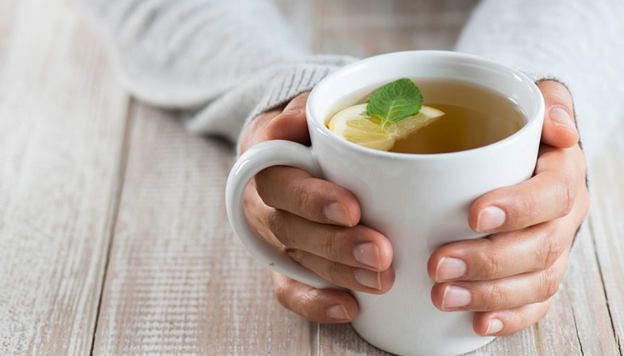
The idea is tempting, especially after a heavy festive week or a stretch of takeaway dinners. But the claims behind these products are bigger than the proof, and a few of them carry real downsides. Let's walk through what's actually going on.
What "Detox" Is Supposed to Mean
The pitch is simple: modern life fills your body with toxins, and a special tea or juice will clear them out. The trouble is that sellers rarely say which toxins they mean. Ask for specifics, and you usually get vague talk about "impurities" and "buildup." A real toxin, like lead or a drug overdose, needs medical treatment, not a bottle of lemon-and-ginger juice. When a claim stays foggy on purpose, that's your cue to be careful. Good science names what it measures.
Your Body Already Has a Detox System
Here's the part marketing tends to skip. Your liver, kidneys, gut, lungs and skin work around the clock to process waste and send it out. The liver breaks down substances so the kidneys can filter them into urine, and your digestive tract handles the rest. Nothing in a bottle makes this system work better when it's healthy. If your liver or kidneys were truly struggling, you'd need a doctor, not a cleanse. So the first honest answer to "do I need to detox?" is usually no.
What Research Says About Detox Diets
Researchers have looked at detox diets and products, and the overall picture is underwhelming. Reviews have found little solid evidence that they remove toxins or improve long-term health, and many of the studies behind them are small or poorly designed. People do report feeling better, but that doesn't prove the product did the cleaning. Skipping alcohol, junk food and late-night snacking for a few days would make most of us feel better regardless. The benefit often comes from what you stopped doing, not from the special ingredient.
Why the Scale Drops (and Why It Doesn't Last)
Many people lose a couple of kilos on a cleanse, and that's the main reason these plans feel like they work. Most of that early loss is water and the stored carbohydrate that holds water in your body, plus the weight of food that's no longer sitting in your gut. It isn't fat, at least not much of it. Once you eat normally again, the water comes back and so does the number on the scale. Very low-calorie plans can also leave you tired, cranky and hungry, which sets the stage for overeating afterwards. Quick results, quick rebound.

What's Actually in Detox Teas
Many detox teas get their effect from laxative ingredients, with senna being a common one, or from diuretics that make you pass more fluid. That's why you may run to the bathroom more often and feel "lighter." It doesn't mean toxins are leaving, only that you're losing fluid and emptying your bowels. Using stimulant laxatives regularly can cause cramps, dehydration, electrolyte imbalance and a bowel that gets used to relying on them. Some teas also hide high caffeine levels or unlisted herbs. Read the ingredient list closely, and be wary of anything that doesn't have one.
The Problem With Juice Cleanses
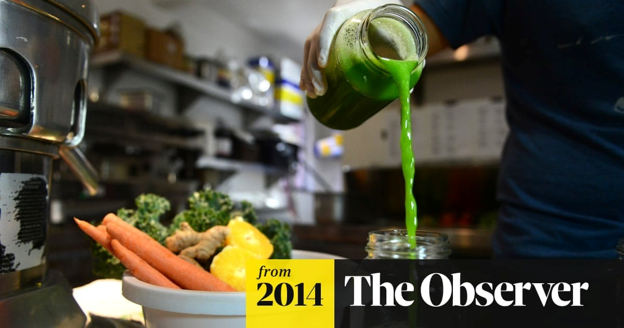
Juice isn't evil, but a plan made only of juice has trouble. You lose most of the fibre that keeps you full and slows sugar absorption, so blood sugar can swing sharply. Protein and healthy fats are almost absent, which leaves many people dizzy, weak and ravenous. Some juices are also loaded with certain vegetables that are high in oxalates, and in rare cases heavy intake over time has been linked to kidney problems. A day or two of extra juice is unlikely to hurt a healthy adult, but a long, strict cleanse isn't a free pass.
Who Should Steer Clear
Some people have good reasons to skip these products entirely. If you're pregnant or breastfeeding, have diabetes, kidney or liver disease, a heart condition, or take regular medication, check with a doctor first. Herbal ingredients can interact with prescriptions, and blood sugar can behave unpredictably on a restrictive plan. Anyone with a history of disordered eating should also stay away, since cleanses can feed an unhealthy relationship with food. The same goes for teenagers and older adults, who are more vulnerable to dehydration. When in doubt, ask before you start.
What Actually Helps Your Body Feel Better
The unglamorous answer works best. Drink enough water through the day, eat plenty of vegetables, fruit, whole grains and protein, and get proper sleep. Cutting back on alcohol and ultra-processed food gives your liver an easier time without any special product. Movement helps digestion and mood, even if it's just a daily walk. If you want a gentle reset after a festive stretch, simply return to regular, balanced meals. A calm routine beats a dramatic one every time.
How to Spot a Misleading Claim
Be sceptical of any product promising to "flush toxins," "reset your organs" or deliver rapid weight loss with no effort. Check whether the seller names the toxins, cites real studies, and lists every ingredient. Watch for before-and-after photos, celebrity endorsements and testimonials standing in for evidence. Anything that tells you to avoid medical advice or replace meals for long stretches deserves a hard no. If a claim sounds too good to be true, it probably is. A quick search for independent reviews can save you money and discomfort.
Final Thoughts
Detox teas and juice cleanses sell a comforting story, but the science doesn't back up the big promises. Your liver and kidneys are already doing the job, and the best support you can give them is ordinary good habits. A few fresh juices won't hurt most healthy people, yet they aren't a cure for last week's indulgence. Keep your money and your gut happy by choosing real food, water and rest. If you're concerned about your health or symptoms, talk to a doctor. This article is for general information and isn't medical advice.

Frequently Asked Questions
1. Do detox teas really remove toxins from the body?
There's no solid evidence that they do. Your liver and kidneys already handle waste, and many teas work mainly through laxative or diuretic effects.
2. Is a juice cleanse safe?
A day or two is unlikely to harm most healthy adults, but longer cleanses can cause low energy, blood sugar swings and nutrient gaps. People with medical conditions should check with a doctor first.
3. Can detox teas help with weight loss?
Any weight lost is usually water and bowel content, not fat, and it tends to return. Regular laxative use can also be harmful.
4. What's a healthier way to "reset" after overeating?
Go back to balanced meals, drink water, move daily and sleep well. Cutting back on alcohol and heavily processed food also helps.
5. Who should avoid detox products?
Pregnant or breastfeeding women, people with diabetes, kidney, liver or heart conditions, anyone on regular medication, and those with a history of disordered eating should speak with a doctor before trying them.
Latest Posts