
Walking Pads vs Regular Walks Do Desk Workers Really Need Them
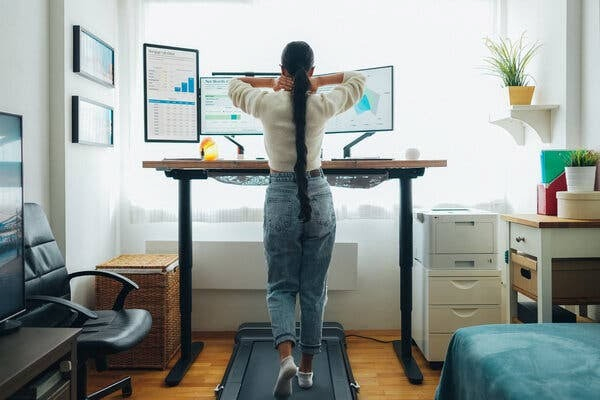
But does a machine really beat stepping outside for a walk? Before you spend money and floor space, it's worth looking at what each option does well.
The Real Problem Is Sitting, Not Steps
Most desk workers spend the bulk of their day in one position, often for hours without a real break. Research over the years has linked long, unbroken sitting with higher risks of heart problems, poor blood sugar control, and weight gain. The part that surprises people is that a single workout doesn't fully cancel this out. You can hit the gym in the morning and still lose the benefit if you're glued to a chair the rest of the day. What seems to help most is breaking up sitting with regular movement, even if each burst is short. That's the problem both walking pads and regular walks are trying to solve.
What a Walking Pad Actually Is
A walking pad is a compact, foldable treadmill designed for slow, steady walking rather than running. Most run at a gentle pace, which is fast enough to count as movement but slow enough to type or take a call. Many slide under a bed or sofa when you're done, which is why they've become popular in small apartments. Prices range widely, from budget models to premium ones with remote controls and app tracking. The whole idea is to let you move while you work instead of setting aside separate time for exercise.
The Case for the Walking Pad
The biggest advantage is convenience. There's no weather to worry about, no commute to the park, and no excuse when it's too hot, too rainy, or too dark. If your schedule is packed with back-to-back calls, walking during a meeting can be the only way you'll ever fit movement in. It also makes it easy to build a habit, because the pad is right there, a few steps from your desk. Some people find that light walking helps them think through problems or stay alert in the afternoon slump. For anyone who struggles to leave the house during the workday, that built-in nudge can be a genuine game changer.
The Case for Regular Walks
A walk outside does things a pad simply can't. You get fresh air, daylight, and a change of scenery, which can do a lot for your mood and your sleep. Morning light in particular helps regulate your body clock, and that matters if you tend to feel wired at night and groggy by day. Outdoor walking also tends to feel more natural, with uneven ground, changes in pace, and the occasional hill working your muscles in a slightly different way. Then there's the mental break. Stepping away from your screen completely gives your eyes and your brain a proper rest, which a walking pad doesn't offer if you're still staring at the same laptop. And of course, it costs nothing.
Where Walking Pads Fall Short
Walking pads aren't magic, and some limits are worth knowing before you buy. They can be noisy, which matters in shared homes or on calls where every footstep gets picked up by your microphone. Typing, writing, and fine mouse work can feel clumsy while moving, and some people notice their accuracy or focus slipping on demanding tasks. Setting up a desk at the right height takes a bit of fiddling, and a poor setup can strain your neck or shoulders. There's also the very real risk of buying one, using it enthusiastically for two weeks, and then watching it gather dust. If you have balance issues or joint problems, it's wise to check with a doctor first.
So, Who Really Needs One?
Honestly, most people don't need one, but some will benefit a lot. If you work from home, live somewhere with harsh weather or limited safe walking spaces, or have long stretches of calls where you don't need to type, a pad can be a smart tool. If you already take regular outdoor walks, stand up often, and have a decent routine, a pad is a nice extra, not a necessity. The same goes if you're the type who buys equipment with good intentions and rarely uses it. A pair of comfortable shoes and a bit of discipline will give you most of the same benefit for free. The best option is simply the one you'll actually keep doing.
How to Get the Most From Either Option
Think of your day in chunks instead of one big workout. A short walk after lunch, a few minutes of pacing during a phone call, and a quick stretch break every hour or so all add up. The general public health advice is to aim for a good amount of moderate activity each week, and walking counts toward that. Pairing a walking pad with the occasional outdoor stroll gives you convenience on busy days and fresh air when you can get it. Start slowly, wear proper footwear, and don't push the speed just because the machine allows it. Consistency matters far more than intensity here.
Final Thoughts
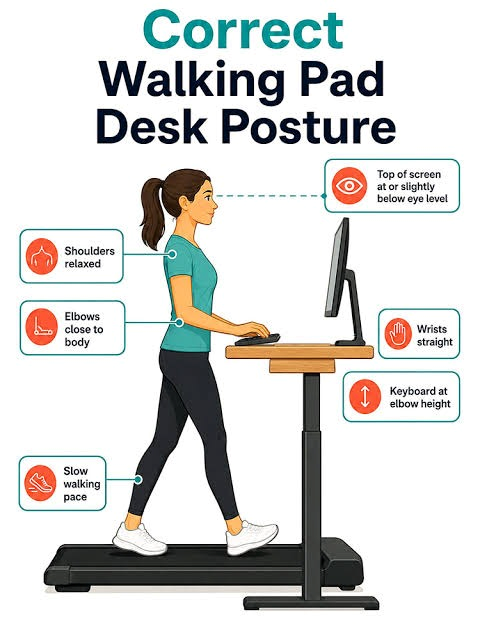
A walking pad is a handy tool, but it isn't a requirement for staying healthy at a desk job. Regular walks offer extra perks like daylight, fresh air, and a real mental break, and they cost nothing. The pad's main strength is that it removes excuses, which is valuable if your biggest challenge is finding time or dealing with bad weather. If you're curious, try borrowing one or starting with short outdoor walks to see how you respond before investing. What matters most is moving more and sitting less, however you choose to do it.
Frequently Asked Questions
1. Is a walking pad as good as walking outside?
Both get you moving, which is the main goal. A walking pad is more convenient, while outdoor walks add daylight, fresh air, and a mental break from your screen.
2. Can I work while using a walking pad?
Yes, especially for calls, reading, and light tasks. Detailed typing or focused work can feel harder for some people, so it may take a little practice to find what suits you.
3. How long should I use a walking pad each day?
There's no single perfect number. Start with short sessions, such as 10 to 15 minutes at a time, and build up gradually based on comfort and your schedule.
4. Can a walking pad help with weight loss?
It can contribute by increasing your daily movement, but results depend on your overall routine, including food and sleep. Think of it as a helpful addition, not a standalone solution.
5. Are walking pads worth the money for desk workers?
They're worth it if you'll use one consistently, particularly if you work from home or have trouble getting outside. If you already walk regularly, you may not need one.
Latest Posts