
Why Your First Salary Disappears in a Week Money Lessons for Young Earners
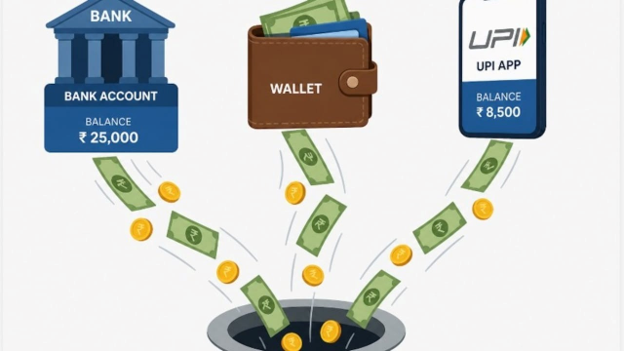
By the second week, you were checking your balance with one eye closed. If that sounds painfully familiar, you're not bad with money. You're just new to having it.
The First-Salary Rush
Your first pay cheque carries more emotion than any other. It's proof that you've arrived, and it comes with a strong urge to celebrate. You've waited years to spend money you earned yourself, so spending it feels like a reward. There's also a quiet pressure to show people that you're doing well, whether that's treating friends or buying something visible. The trouble is that one big number on your screen looks bigger than it really is. A salary has to cover a whole month, and often a few months of expectations too.
The Gap Between Earning and Understanding
Nobody sits you down and explains what to do with a salary. School teaches algebra, but rarely teaches how to split a pay cheque. So many of us learn by trial, error and a slightly stressful third week. Another surprise is the difference between your gross pay and what actually reaches your account, since deductions for tax, provident fund or insurance can shrink it. Then there are the costs you've never carried before, like rent, groceries, commute, phone bills and subscriptions. It's not that the money disappears. It's that you didn't know where it was supposed to go.

Small Purchases Are the Real Culprits
Big spending is easy to notice, so it rarely causes the damage. The silent drain comes from dozens of little things, a coffee here, a food delivery there, a cab because you were running late. Each one feels harmless, and each one is easy to justify. Add in subscriptions you forgot to cancel and impulse buys during a sale, and the month quietly empties out. Digital payments make it worse, because tapping a phone doesn't feel like handing over cash. The pain of spending barely registers, which is exactly why it keeps happening.
Lifestyle Creep Starts Early
Many young earners promote themselves in their heads the moment the salary arrives. A better phone, nicer clothes, a more expensive weekend routine, all justified by "I'm working now." Each upgrade seems reasonable on its own, but together they raise your monthly costs permanently. The danger is that expenses rise as fast as income, so no matter how much you earn, nothing is left over. It's a trap that catches people at every salary level. The earlier you notice it, the easier it is to steer around.
Give Every Rupee a Job
You don't need a complicated system, just a rough plan made on the first day of the month. Start by writing down your fixed costs, such as rent, bills, EMIs and transport. Set aside a portion for savings before you touch anything else, even if it's small. Whatever remains is for food, fun and personal spending. One popular rule of thumb splits income into needs, wants and savings, but treat the exact percentages as a starting point, not a law. The idea is simply to decide in advance, so the money doesn't decide for you.
Pay Yourself First
If there's one habit worth building, it's this one. The moment your salary arrives, move a fixed amount into savings or investments before you've had a chance to spend it. Automating this with a standing instruction makes it painless, because you never see the money sitting there. Start with whatever feels comfortable, even a modest figure, and raise it when your income grows. The amount matters less than the habit. A small, steady contribution beats a big, occasional one that never happens.
Build a Small Emergency Cushion
Life has a talent for sending bills at the worst time. A phone breaks, a relative needs help, or a job hits a rough patch, and suddenly you're borrowing. An emergency fund gives you breathing room, and it keeps a surprise expense from turning into credit card debt. Aim for a few months of essential costs over time, but begin with a small, reachable goal, like one month. Keep it somewhere safe and easy to access, separate from your everyday spending account. Think of it as insurance you pay into slowly.
Be Careful With Credit
Early in your career, credit cards, buy-now-pay-later apps and instant loans can look like free money. They aren't. Unpaid balances attract steep interest, and "easy EMIs" can quietly stack up until half your salary is spoken for. If you use a card, treat it like a debit card and pay the full bill every month. Avoid borrowing for things you merely want, especially gadgets and trips. Good credit habits, built now, will help you later when you need a home loan or a car.

Learn to Say No Without Guilt
Social spending is a huge part of early earning. Friends want to eat out, colleagues plan weekend trips, and everyone assumes the new earner will pay. It's fine to join in sometimes, but you're allowed to say "not this time" or suggest a cheaper plan. Most people won't think less of you, and many will secretly feel relieved. Spending to impress people usually costs more than it returns. Real friends are fine with a house party instead of an expensive restaurant.
A Few Money Moves for the Next Month
Pick two or three changes, not twelve. Track your spending for thirty days, even in a simple note on your phone, so you can see where the money truly goes. Cancel subscriptions you don't use, and set up an automatic transfer to savings. Write down one money goal, like building your first cushion or buying something you really want. Review everything at the end of the month with curiosity, not judgement. Small, steady adjustments add up faster than dramatic overhauls.
Final Thoughts
Your first salary vanishing in a week isn't a character flaw, it's a rite of passage. What matters is what you learn from it. Plan before you spend, save first, watch the small leaks and be careful with credit. You'll still enjoy your money, probably more, because you'll feel in control of it. If you need extra guidance, a qualified financial adviser can help. This article is for general information and isn't financial advice.
Frequently Asked Questions
1. How should I spend my first salary?
There's no single right answer, but a sensible approach is to cover essentials first, set aside some savings, then treat yourself within a limit you planned in advance.
2. How much of my salary should I save?
It depends on your expenses and goals. Many people start with a modest percentage and increase it over time. The habit of saving regularly matters more than the exact figure.
3. What is the 50/30/20 rule?
It's a rough guideline that splits income into needs, wants and savings. Treat the percentages as a starting point and adjust them to your own situation.
4. Should I start investing with my first salary?
Build a small emergency cushion first, then consider investing gradually. Learn the basics, start small, and avoid anything promising guaranteed high returns.
5. How can I stop impulse spending?
Track your expenses, delete saved cards from shopping apps, wait 24 hours before non-essential purchases, and automate savings so the money is set aside before you spend.
Latest Posts