
Why Your Foundation Looks Cakey in Winter Fixes From Makeup Artists

But winter plays a sneaky role here, and the fix usually has less to do with buying something new and more to do with how you prepare and apply. Let's walk through why it happens and what you can do about it.
Why Winter Makes Foundation Look Cakey
Cold air outside and dry heating inside are a rough combination for your skin. Both pull moisture away from the surface, leaving it tight, flaky, and rougher than usual. Foundation doesn't sit nicely on an uneven surface, so it grabs onto dry spots and highlights every texture. Your skin's natural oil production can also slow down in colder weather, which means less built-in cushioning. Add hot showers and wind, and the barrier that keeps moisture in can get weaker. The result is a base that looks heavy and patchy even when you've applied very little.
The Real Culprit Is Often the Prep
Makeup artists tend to say the same thing: a good base starts long before the foundation. If your skin is dehydrated, no formula will rescue it. Think of foundation as the top layer of an outfit, and the skin underneath as the foundation of the foundation, if that makes sense. Winter skin needs more hydration and a bit more patience in the morning. Skipping prep to save time often costs you more time later, when you're dabbing and blending a base that refuses to behave. A few extra minutes in the morning can transform how the whole look sits.
Start With Gentle Cleansing
Harsh cleansers and very hot water strip away the oils your skin needs, and winter is not the season for that. Switch to a gentle, creamy or hydrating cleanser, and wash with lukewarm water. If you use exfoliating acids or scrubs, scale back, because overdoing them can leave skin raw and flaky. Over-exfoliating is one of the sneakiest reasons foundation looks rough. On the other hand, a very light, gentle exfoliation once or twice a week can smooth away loose dry flakes. The goal is soft, calm skin, not squeaky clean.
Layer Hydration the Smart Way
Instead of one heavy cream, many makeup artists prefer layering lighter products. A hydrating serum, often with ingredients like hyaluronic acid or glycerin, goes on first while the skin is still slightly damp. Follow it with a moisturiser that suits your skin type, and don't skip it even if you have oily skin. Winter simply asks for a richer formula than summer does. Give it a few minutes to sink in before moving on, because slippery, half-absorbed cream can make foundation slide around or pill. A thin, even layer beats a thick one every time.

Don't Forget Sunscreen and Lips
Sunscreen still matters in winter, and it's a key step before makeup. Choose one that feels comfortable and non-greasy, and let it settle before applying foundation. If your sunscreen tends to pill, try a different formula or apply less. Dry lips and flaky skin around the nose and mouth are also common winter problem areas. A little lip balm and a gentle touch of moisturiser on those spots can prevent foundation from catching there. It's the small details that make the base look smooth in photos and in person.
Choose a Foundation That Works With Winter Skin
You don't necessarily need to throw out your favourite foundation, but you might need a different type for the colder months. Lightweight, hydrating, or satin-finish formulas usually sit better on dry skin than very matte or powdery ones. Tinted moisturisers, skin tints, and serum foundations can look more natural when your skin is thirsty. Your shade can also change, since many people look slightly paler in winter. If your usual colour looks too dark or ashy, you might be wearing a shade that no longer matches. Testing a formula along your jawline in natural light is a good way to check.
Apply Less, and Apply It Better
Many makeup artists say that most cakey foundation comes from using too much. Start with a small amount and build only where you need it, such as around the nose, on redness, or over blemishes. A damp sponge can melt the product into the skin, while a brush gives lighter, more even coverage. Warm the foundation on the back of your hand first, because slightly warmed product blends more smoothly. Press and roll instead of dragging, which avoids disturbing dry patches. Less product, more blending, is the winter mantra.
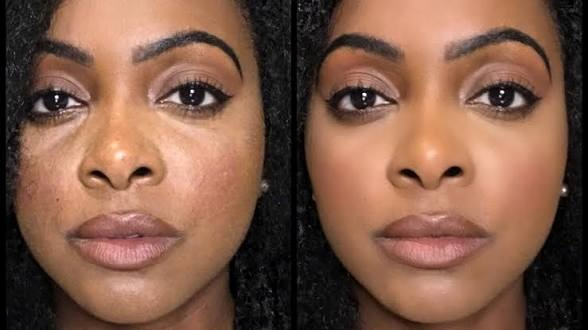
Be Careful With Powder and Setting Sprays
Heavy powder is a big reason winter makeup looks dry and dusty. If you need to set your base, use a very small amount of fine powder only on areas that get shiny, like the T-zone. Skip the under-eyes if they tend to crease. A hydrating setting mist can help melt layers together and bring back a fresher finish. Pressing a clean, slightly damp sponge over the face at the end can also soften any leftover powderiness. If your makeup looks perfect at 9 a.m. and tired by noon, a quick spritz and pat can revive it.
Quick Fixes When Foundation Already Looks Cakey
Even with good prep, it can still happen, so it helps to have a rescue plan. Mist your face lightly with a hydrating spray and gently press with a clean sponge or your fingertips. Lightly dab a tiny amount of facial oil or moisturiser on the dry spots, then pat the area softly. Avoid rubbing, which can lift makeup and make patches worse. At night, remove everything gently and use a hydrating mask or richer cream to help your skin recover. Over time, healthier skin means less need to fix things in the first place.

Final Thoughts
Cakey foundation in winter isn't a sign that you're bad at makeup or that your product has betrayed you. It's usually dry skin, rushed prep, or too much product working together at the wrong time. Focus on gentle cleansing, layered hydration, a lighter formula, and a lighter hand, and you'll likely notice a big improvement. Skin is also personal, so adjust these tips to what works for you. If you have persistent flaking, redness, or irritation, a dermatologist can help rule out other causes.
Frequently Asked Questions
1. Why does my foundation look cakey only in winter?
Cold weather and indoor heating dry out your skin, leaving it rough and flaky. Foundation clings to these dry areas and makes texture more obvious.
2. How can I stop foundation from clinging to dry patches?
Hydrate well with a serum and moisturiser, let them absorb fully, and gently exfoliate once or twice a week. Use a thin layer of a hydrating foundation and blend it with a damp sponge.
3. Should I change my foundation in winter?
Many people benefit from switching to a more hydrating or satin formula in colder months. You may also need a slightly different shade if your skin looks paler.
4. Can I use face oil under foundation?
Yes, a few drops can help dry skin, but use a small amount and let it sink in. Too much oil can make foundation slide, so try it on a day when you're not in a hurry.
5. How do I fix cakey makeup during the day?
Mist your face with a hydrating spray and gently press with a clean sponge or fingertips. Avoid adding more powder, which can make the dryness look worse.
Latest Posts