
Adaptogen Cold-Brew Tonics vs. Traditional Green Tea Extracts Which One Actually Keeps You Steady All Day
Neither one is a magic fix for stress or fatigue. If you want a steadier focus without the crash, green tea extract is the more evidence-backed daily habit. If you want broader stress-response support alongside your energy boost, a well-formulated adaptogen tonic is worth trying, as long as you keep your expectations realistic.
Why Everyone's Suddenly Talking About Adaptogens
The adaptogen drink category went from a niche health-food-store item to a full supermarket aisle in just a few years, and it's not hard to see why. People are tired — literally and figuratively — of the caffeine spike-and-crash cycle, and adaptogen tonics are marketed as a gentler alternative that supports the body rather than just forcing it awake. Adaptogens themselves are a class of botanicals, things like ashwagandha, rhodiola, eleuthero, and holy basil, that have been used in Ayurvedic and Traditional Chinese Medicine for centuries to help the body cope with physical and emotional stress.
The pitch is appealing: instead of hijacking your nervous system with pure caffeine, these tonics claim to work with your body's stress-response system, supposedly helping regulate cortisol and deliver calmer, more sustained energy. That's a compelling story. Whether it holds up depends heavily on which adaptogen you're actually getting, and in what dose.
The Adaptogen Evidence: Better Than You'd Expect, But Not a Free Pass
Here's where it's worth being genuinely fair to the category, because a lot of wellness trends get dismissed too quickly. Ashwagandha specifically has meaningful clinical research behind it. A 2024 meta-analysis pooling nine randomized controlled trials found it measurably reduced perceived stress, anxiety, and cortisol levels in study participants. Rhodiola has its own reasonably solid evidence base too, particularly around reducing fatigue and supporting mental performance during periods of stress.

But — and this matters — that evidence applies to specific herbs at specific, often fairly concentrated doses, not to "adaptogens" as some blanket wellness category. A cold-brew tonic that lists ashwagandha fourth or fifth on the ingredient panel, behind sugar and natural flavoring, isn't necessarily delivering anything close to the dose used in the studies that made ashwagandha's reputation. This is the single biggest gap between the marketing and the science in this whole category: the research is often legitimate, but the amount actually present in your can might not be.
Green Tea Extract
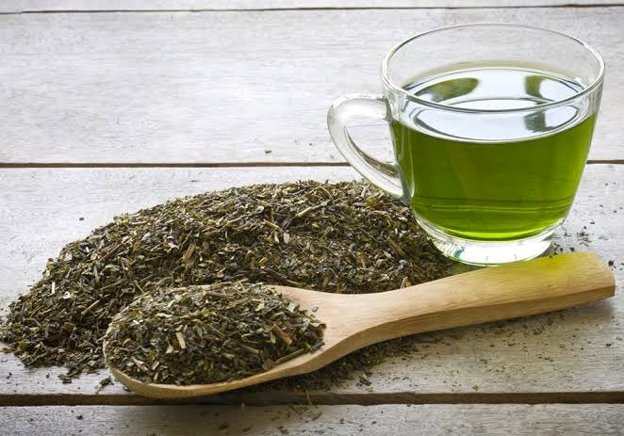
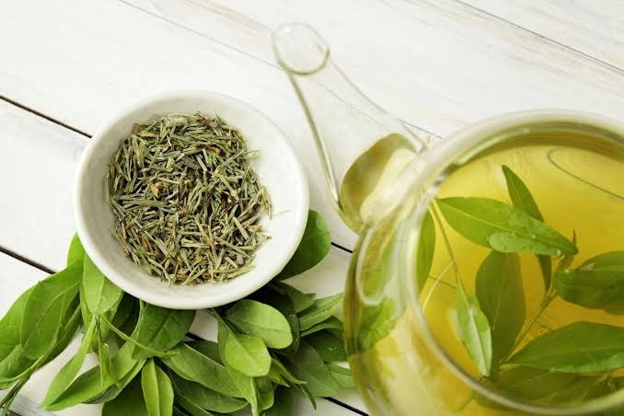
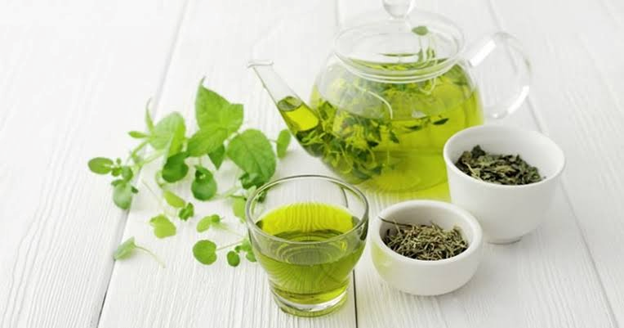
Green tea extract doesn't get the same trendy branding treatment, but it's been quietly doing something adaptogen tonics are still trying to prove: delivering steadier energy through a genuinely well-understood mechanism. The combination at play is caffeine paired with L-theanine, an amino acid naturally found in tea leaves that takes the edge off caffeine's usual jitteriness without blunting its alertness-boosting effect.
This isn't a fringe claim. L-theanine and caffeine have been studied together for years, and the general finding holds up consistently: the combination tends to produce better sustained attention and calmer focus than caffeine alone. Green tea extract also brings EGCG, a catechin with antioxidant properties, along for the ride, though its role in the "smooth energy" experience is secondary to the caffeine-theanine pairing.

The tradeoff is that green tea extract isn't really positioned as a cortisol-regulation tool the way adaptogens are marketed. It's an energy and focus product first, not a stress-management product. If your main goal is steady energy without the crash, that focused approach is arguably an advantage rather than a limitation.
Cortisol Regulation
Cortisol has become one of the most overused words in wellness marketing, and it's worth pumping the brakes a little here. Cortisol is a normal, necessary hormone — your body needs it to wake you up in the morning and respond to stress appropriately. The framing that any of these drinks "regulates" cortisol like flipping a switch oversimplifies a genuinely complex hormonal system.
What the better research actually supports is more modest: certain adaptogens, ashwagandha in particular, appear to reduce elevated cortisol and perceived stress under study conditions, cumulatively over weeks, not immediately after one sip of a canned drink. Green tea extract doesn't make direct cortisol claims at all in the credible research, which, honestly, is a point in its favor from a trust standpoint. It's promising a narrower, better-supported outcome instead of stretching into territory the science doesn't fully back yet.
Daily Stress Management
If you're building a daily habit around either of these, it helps to separate two different jobs: getting through your day with steady energy, and managing your baseline stress response over time. Green tea extract is squarely built for the first job. Adaptogen tonics, at least the well-formulated ones with functional doses rather than trace amounts, are aiming at both, with more emphasis on the second.
Realistically, these aren't mutually exclusive habits. Plenty of people use a green tea extract or matcha-based drink for focused morning energy and a lower-caffeine adaptogen tonic in the afternoon or evening, when the goal shifts from alertness to winding down. Treating this as an either-or choice misses how differently these two categories are actually built to perform.
Which One Should You Actually Reach For?
If you're chasing consistent, jitter-free focus for work or a workout, green tea extract's caffeine-theanine combination is the more predictable, better-studied bet. If you're specifically trying to manage chronic daily stress and you're willing to be patient with cumulative effects rather than expecting immediate results, a well-dosed adaptogen tonic — one that's transparent about actual milligram amounts rather than hiding behind a proprietary blend — is worth incorporating. The one thing worth avoiding either way: expecting either product to fix a genuinely unsustainable schedule, poor sleep, or chronic stress on its own. These are supportive tools, not solutions to bigger lifestyle problems.
Latest Posts