
Axis Bank, IDFC First, Kotak 811 The Digital-First Banks Chasing India's Urban Millennials
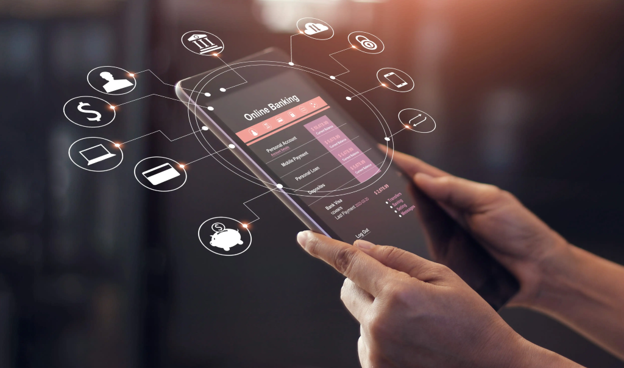
And within the digital banking space for the Urban Millennials, three names have largely dominated the customer markets with their curated banking experiences, the Axis Bank, IDFC First Bank and Kotak Mahindra’s 811. Each fighting for customers over similar benefits and offers, but differing in subtle ways to make themselves the smarter choice.
Table of Contents
1. Why Digital-First Banking Became the Battleground
2. Kotak 811: The Original Disruptor
3. IDFC First Bank: Winning on Interest and Transparency
4. Axis Bank ASAP: The Balanced Challenger
5. Side-by-Side Comparison
6. Pros and Cons of Each
7. Which One Actually Fits a Millennial Lifestyle
8. What to Watch Out For
9. Conclusion
Why Digital-First Banking Became the Battleground
Over a decade ago, choosing a bank simply meant finding one with a branch that was closer to your home and office, but that preference quickly changed with the new generation who chose the digital banking space for convenience, relying on UPI for their basic expenses while using digital payment apps for managing and splitting their monthly bills. Today what matters most, is how fast an account opens, whether a minimum balance is necessary and whether the app was designed for speed and efficiency in order to appear as the more lucrative choice.

Private banks were quick to notice this shift and hopped onto the trend early, with three frontier banks launching tailored programs in Kotak's 811 account, IDFC First's digital savings offerings, and Axis Bank's ASAP account, each offering features that helped them become competitive even before the market for Urban Millennials had become clearly established. Each entered the market at a different moment and with a different strategy, which is exactly why comparing them side by side is a useful investigation.
Kotak 811: The Original Disruptor
Amongst the frontiers that began the revolution, Kotak 811 was launched as India’s truly first fully digital and zero-balance saving account that was quick to rupture and revolutionize the banking spaces. With the absence of minimum balance requirement, Kotak was quick to annoy majority leading banks but quick to secure a comfortable position as the leader in digital banking spaces. With a simplified opening process that could happen through a call, and a doorstep verification process through Adhaar number, Pan Card and basic verification, it truly shifted the entire banking process to the virtual space, eliminating the hassle of repeated bank visits. Kotak 811 today offers moderate interest rates within a general range of 2.5% on balance for a defined slab while attracting customers through its free virtual debit card, one that is instantly issued alongside no penalty for balance management and an app that is specifically built to simplify banking operations for those just beginning their banking journey. For newly-employed as well as students, Kotak 811 has easily become the first choice of account, one they choose before deciding on an employer.
IDFC First Bank: Winning on Interest and Transparency
While Kotak 811 built its reputation on reducing banking charges and friction, IDFC First chose to focus on reducing hidden charges and a promise of zero fees on an extensive list of banking services, a list that includes over 28 services including regular transactions such as fund transfers, ATM usage, and account maintenance that other banks often quietly charge for. Additionally, IDFC First further captivates customers with a tiered savings interest that sits higher than what other banks traditionally offer, with some slabs providing interest rates higher than 6% and perhaps even reaching 7% on specific balance ranges and promotional offers. IDFC First also offers a monthly credit of interest instead of the traditional quarter interest return, allowing your money to receive compounded interest instead of having to wait for the next quarter. Multiple review channels have also highly rated IDFC First’s mobile app as the strongest within the banks of the country, mainly based on the ease of services and the depth of financial planning tools that it offers.
Axis Bank ASAP: The Balanced Challenger
Axis Bank’s ASAP account took an alternate approach and focused on providing a more “complete” digital experience, allowing customers to experience the joy of a full-service bank simply through its own app. In addition to its 100% paperless onboarding process and a virtual debit card being issued immediately upon account opening, the bank also offers automatic sweeping of surplus balance into a fixed deposit, allowing customers to benefit from higher returns without having to go through the hassle of moving it manually on a regular basis. Axis ASAP account didn’t specifically focus on its other features but rather positioned itself to become the ideal choice offering a mix of digital as well as physical footprint. While the ASAP account in itself is a digital product, Axis boasts of a dense branch and ATM network spread across urban and semi-urban regions and in turn allows its ASAP members to benefit from in-person support, cash deposits as well as notarized documentation services across the country.
Side-by-Side Comparison
|
Feature |
Kotak 811 |
IDFC First |
Axis ASAP |
|
Minimum balance |
Zero |
Varies by variant |
Zero |
|
Savings interest rate |
Up to ~2.5% |
Up to ~6.5–7% (tiered) |
Competitive, auto-FD boosted |
|
Account opening |
Fully digital, Aadhaar + PAN |
Fully digital |
Fully digital |
|
Fee structure |
Free basic services |
Zero fees on ~28 services |
Standard, bundled with FD sweep |
|
Interest credit frequency |
Quarterly |
Monthly |
Quarterly |
|
Branch network |
Limited standalone presence |
Growing, expanding fast |
Large, established |
|
Debit card |
Free virtual + physical |
Free |
Free virtual |
|
Best suited for |
First-time account holders, students |
Savers who want higher returns |
Users who want digital + branch backup |
Which One Actually Fits a Millennial Lifestyle
It’s difficult to establish a clear right answer or winner within these offers since they’re all made with a focus on separate banking requirements and customers. For those who are recently employed or perhaps are a college student, it's difficult to choose any other apart from the Kotak 811, mainly for its zero-pressure and simplicity but for someone with some savings and focus on growing their money, IDFC First’s account could offer a higher, more monthly-compounding interest. And if you’re someone who seeks the convenience of a digital-first account but would also require or hope for an offline branch that could handle the occasional complicated transaction, Axis would obviously become the more ideal choice.
What to Watch Out For
Digital-first accounts often carry tiered interest rates, meaning an interest rate that is offered during advertisements could be specific for a particular balance slab while lower rates could quickly apply if the balance varies regularly. It’s important to make a note of such conditions in the fine print and assess what rate and offers would apply for your account before simply making the choice based on what’s being promised. Additionally, it is also important to not be lured by the “zero fees” claims as they could be limited to a defined list of services while carrying extra charges for services outside the list, making it important to be aware of the services you require and the fee that they carry before committing to a single choice.
Conclusion
The banking industry may have changed its style and methods of traditional banking, but what remains constant is that there isn’t a clear battle on who’s winning customers outright but rather about who can cater services that suit their customers their best. Customers who are simply choosing their first account and starting their banking journey and those who want better interest rates alongside physical banking access are all very varied needs that are all commonly present within the Urban millennial populations and the three banks have chosen to capitalize on those very specific needs of their customers.
Latest Posts