
Best Mineral Sunscreens for Sensitive & Acne-Prone Skin
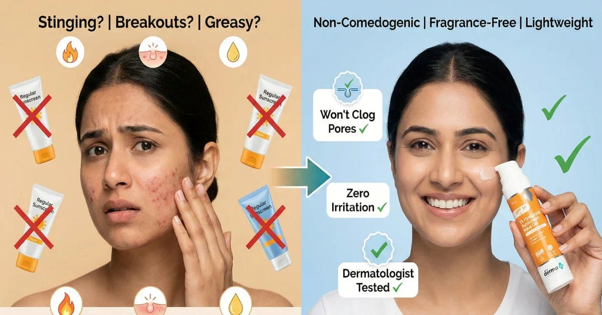
Using zinc oxide and titanium dioxide, mineral sunscreen sits on top of the skin and does not get absorbed into the skin, thus resulting in lesser irritation and clogging of the pores. Some of the best mineral sunscreens suited for sensitive and acne-prone skin may include CeraVe Hydrating Mineral Sunscreen SPF 30, Colorescience Sunforgettable Total Protection Face Shield Flex, and Avene Mineral Sunscreen Multi-Defense Fluid SPF 50+.
Why Mineral Over Chemical, Specifically for This Skin Type
Here's the thing about reactive, breakout-prone skin: it doesn't just react to obvious irritants like fragrance. It reacts to texture, to occlusive ingredients, to anything that sits heavy enough to trap oil and bacteria against a clogged pore. Chemical sunscreens work by absorbing UV rays and converting them to heat, which sounds harmless until you realize that process happens inside your skin, not on top of it. For someone prone to redness or breakouts, that's one more variable working against you.
Mineral sunscreens — built around zinc oxide, titanium dioxide, or both — physically block and scatter UV rays from the surface. They tend to be less likely to sting broken or reactive skin, and the better modern formulas are specifically engineered to skip the pore-clogging oils and heavy emulsifiers that older mineral sunscreens were infamous for. That "chalky, thick, impossible-to-blend" reputation mineral SPF used to have? Mostly solved. The formulas below prove it.
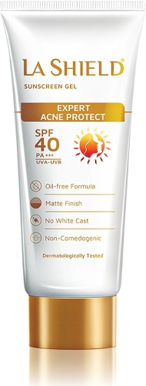
What to Actually Look For on the Label
Before you buy anything, run it through this checklist:
- "Non-comedogenic" on the packaging. This isn't a guarantee, but it's a meaningful signal the brand formulated with clogged pores in mind.
- Zinc oxide or titanium dioxide as the active ingredient, not buried behind a "mineral-chemical hybrid" claim, which some brands use loosely.
- Oil-free or gel-based textures if you're prone to shine or breakouts specifically, versus lotion textures for drier, sensitive-but-not-oily skin.
- Minimal fragrance, since added scent is one of the more common sensitizers for reactive skin, even in otherwise gentle formulas.
- SPF 30 minimum, broad spectrum labeling. Anything less doesn't reliably cover UVA rays, which matter as much as UVB for long-term skin health.
The Best Mineral Sunscreens for Sensitive, Acne-Prone Skin
1. CeraVe Hydrating Mineral Sunscreen SPF 30 (Sheer Tint)
This is the easy recommendation for a reason. It's formulated without pore-clogging oils, comes in a sheer tint that works across a decent shade range, and leans on ceramides for a bit of barrier support while it protects. If you want one sunscreen that won't fight your skin barrier or your breakouts, start here.
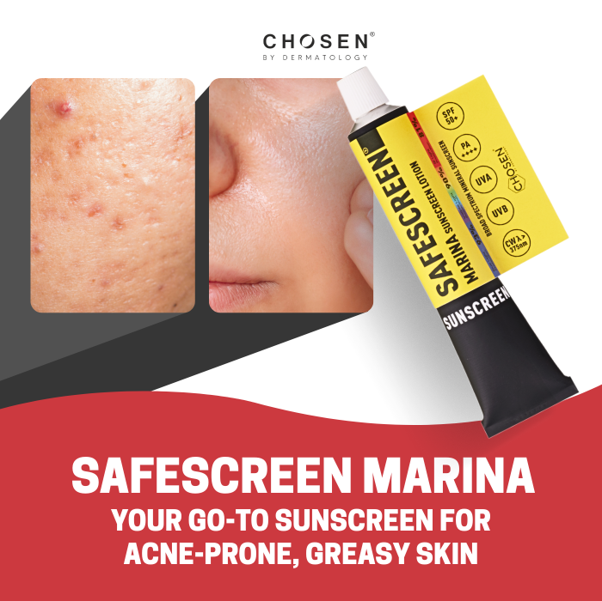
2. Colorescience Sunforgettable Total Protection Face Shield Flex
An all-mineral, broad-spectrum formula that goes on sheer and dries down fast enough that you'll genuinely forget you're wearing it. It's a favorite specifically because it doesn't leave the greasy, dull film that heavier SPFs tend to on oily or combination skin.
3. Avene Mineral Sunscreen Multi-Defense Fluid SPF 50+
A solid pick if you want higher SPF without stepping up to a heavier formula. Avene's fluid texture is built for reactive, easily-irritated skin types, which makes it a reasonable option even for people managing rosacea alongside acne.
4. Dr. Dennis Gross Mineral Sunscreen SPF 50
This one pairs zinc oxide with tranexamic acid, an ingredient more commonly associated with fading post-acne marks and discoloration. If breakouts are leaving marks behind after they heal, this dual-purpose formula does double duty instead of adding another product to your routine.
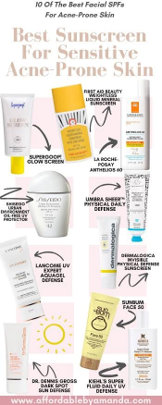
5. Ultra Violette Future Screen
Formulated with squalane and vitamin E to support and calm compromised skin barriers, this one leans into "sensitive and acne-prone" as its actual design brief rather than an afterthought. Worth trying if you've reacted to multiple sunscreens before and need something gentler by design.
6. Innisfree Daily UV Defense (Color-Correcting)
A green-tinted mineral formula built to neutralize redness without leaving a ghostly cast, thanks to added hyaluronic acid for hydration. Reviewers with sensitive skin have noted it doesn't leave shine or a heavy feel, which matters if you're layering it under makeup.
7. SkinMedica Essential Defense Everyday Clear SPF 47
An oil-free option aimed squarely at acne-prone skin that still wants daily, broad-spectrum defense without a mattifying, stripped-down feel.
8. La Roche-Posay Anthelios Clear Skin Sunscreen
Dries down to a genuine matte finish, which makes it a strong pick if shine control matters as much as breakout prevention to you. It's become a go-to specifically because it can double as a lightweight daytime moisturizer with SPF built in.
9. Supergoop! Mineral Mattescreen Sunscreen
Built around a mattifying, mineral-only formula, this one is designed to keep pores calm while controlling midday shine — a solid choice if you've found other mineral formulas too dewy for oily, acne-prone skin.
Common Mistakes People Make With Mineral SPF Not applying enough product. Mineral sunscreens need a real, visible layer to hit their labeled SPF — skimping to avoid a white cast usually means you're getting less protection than the bottle promises.
Assuming "mineral" always means "non-comedogenic." Some mineral formulas still use heavy oils or waxes as a base. Always check the full ingredient list, not just the active ingredients.
Giving up after one bad experience. Mineral sunscreen formulation has improved dramatically in just the past couple of years — a chalky, heavy mineral SPF from years ago isn't representative of what's available now.
Skipping sunscreen indoors or on cloudy days. UV exposure through windows and cloud cover is real, and skin already dealing with active breakouts or post-acne marks is more vulnerable to UV-related discoloration.
FAQs
1. Are mineral sunscreens actually better for acne-prone skin than chemical ones?
Generally, yes. Mineral formulas sit on top of skin rather than absorbing into it, which tends to cause less irritation, and modern non-comedogenic mineral formulas are specifically designed to avoid clogging pores.
2. Will mineral sunscreen leave a white cast?
Older formulas often did. Most current mineral sunscreens, especially tinted or "sheer" versions, are formulated to minimize or eliminate that cast on a range of skin tones.
3. Can I use mineral sunscreen every day, even under makeup?
Yes, and you should. Many of the picks above are specifically designed to layer well under makeup without pilling.
4. Does SPF number matter more than the "mineral" label?
Both matter. Look for broad-spectrum protection and at least SPF 30, regardless of whether the formula is mineral or chemical, but combine that with a mineral active if you're prone to irritation or breakouts.
Latest Posts