
Beyond the Phone Number How WhatsApps Shift to Usernames Signals a Massive Global Turn Toward Pseudonymity

On WhatsApp people have always had to give their numbers to talk to someone, add a contact or join a group chat. Things are changing now. WhatsApp is introducing usernames so people can connect with each other without sharing their phone numbers.
People can now talk to each other on WhatsApp, share ideas and form communities without giving out their information. You do not have to use your phone number to identify yourself on WhatsApp. WhatsApp is giving people the option to use usernames. This is a change because it gives people more control over their own personal information on WhatsApp. WhatsApp is making it easier for people to use WhatsApp without sharing their information.
Why WhatsApp Is Moving Beyond Phone Numbers
WhatsApp started using phone numbers as user IDs when it began in 2009. Now WhatsApp is letting people use usernames so they can talk to others without sharing their phone number. You still need a phone number to create and validate your account. Now you can communicate with others without them knowing your phone number.
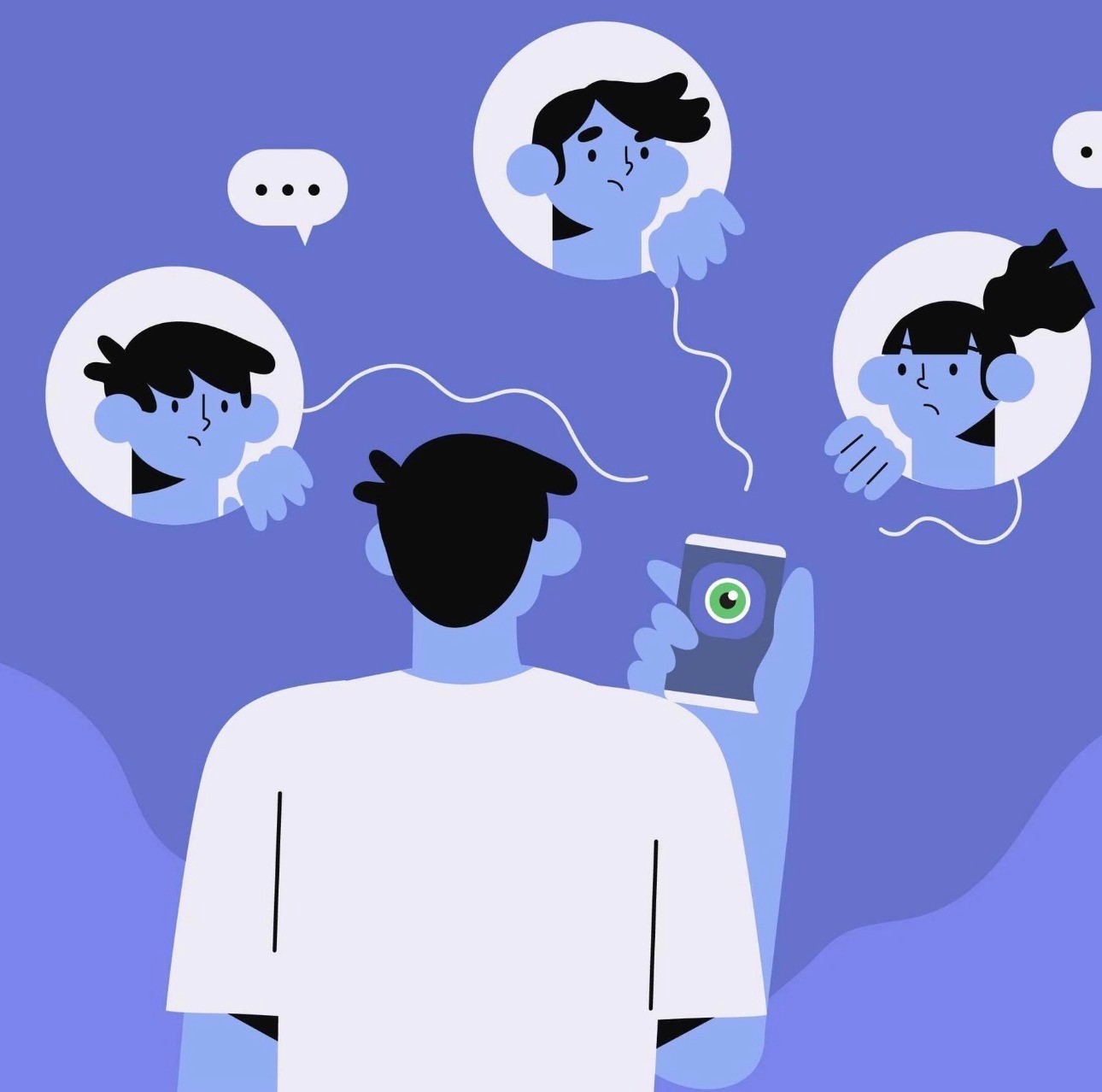
Usernames Reflect a Broader Shift Towards Privacy
WhatsApp made a decision that follows what many other companies are doing. They want to help people keep their personal information private when they are online. Other platforms like Telegram and Signal are doing the same thing. People like to use usernames instead of giving out their real names and phone numbers.
A lot of people worry about spam calls, identity theft and online harassment. These concerns lead to people wanting to keep their information private. To help with this WhatsApp and other companies are using usernames. This way people can stay safe and protected when they are online. Getting spam calls and online harassment is really frustrating, so using usernames is a step towards keeping personal information safe.
How the New Username System Will Work
People are saying that WhatsApp usernames will have to follow some rules to make things more secure and stop people from pretending to be someone else. Each WhatsApp username has to be different from all the others. It has to have a mix of letters and numbers. It cannot start with “www.”. It cannot end with things like “.com”. This helps stop people from making usernames that look like real websites or official groups.
Once you have a WhatsApp username you can start chatting with people by giving them your username instead of your phone number. It is also important to note that your phone number will still be used by WhatsApp to help you get back into your account and to make sure you are really you. WhatsApp usernames are a way to use the app without having to give out your phone number to everyone.
A Better Experience for Communities and Businesses
Using usernames on WhatsApp Communities is really helpful for companies. It makes their messages, customer service and interactions with people better. These days lots of people are part of groups about things they like. Sometimes people do not want to share their phone number with everyone in these groups.

This is good for companies too. Now small businesses and people who work for themselves can share a username instead of their personal phone number. This is especially helpful for people who use their phone for work. It helps keep their personal life private and makes their work look more professional.
The Rise of Pseudonymous Digital Identity
WhatsApp’s decision shows a big change happening in the world. Online services have long asked users to prove who they are with their phone numbers, email addresses or official IDs. Now with more worries about data privacy, online harassment, identity theft and spam, tech companies are changing their approach.
Usernames are a way for people to have an identity online without telling everyone their personal information. People can still be known on a website or platform. The idea of using usernames is called pseudonymity. Usernames help keep information about a person private.
Balancing Privacy with Safety and Trust

Usernames can help keep people private. They can also make it easier for bad people to trick others. Experts who deal with security say that some people might try to pretend to be people, companies or organisations by using fake usernames. If people do not check who they are talking to they might get messages from fake accounts.
To make things safer WhatsApp is making rules for usernames, watching accounts that do not seem right and verifying phone numbers to make sure people are who they say they are. This way WhatsApp can make sure that each account is connected to a phone number, which helps people be responsible for what they do on WhatsApp.
Regulatory Challenges Around the World
Regulators are keeping an eye on usernames before they are available to everyone. Many users like the privacy they offer. WhatsApp has over 500 million users in India, one of its biggest markets. The company has been told to wait before making usernames public while discussions continue. Officials want to check how usernames will affect police investigations, user identification and legal compliance.
Governments are trying to figure out how to deal with privacy and the problems of crime. The big issue is keeping WhatsApp users safe while also making sure their privacy is protected. Lots of people are working on this, including governments, regulators and companies like WhatsApp. They all have to figure out how to do this while making sure users are protected and the law can still be enforced when needed.
What This Means for the Future of Digital Communication

There is more to WhatsApp’s move from phone numbers than just adding a new profile feature. This change shows how digital identity is evolving on the internet. People want platforms to protect their data while still allowing them to have meaningful conversations, work together and build communities.
As usernames become more common on messaging services, social media, work apps and creator platforms, sharing a phone number with strangers might become a thing of the past. The move toward pseudonymous identities is likely to become one of the biggest technology shifts of the next decade, driven by growing concerns about cybersecurity, privacy and changing user expectations. WhatsApp’s shift is a key part of this transformation.
Latest Posts