
Bidirectional Charging How to Turn Your Electric Vehicle Into a Backup Generator for Your Home
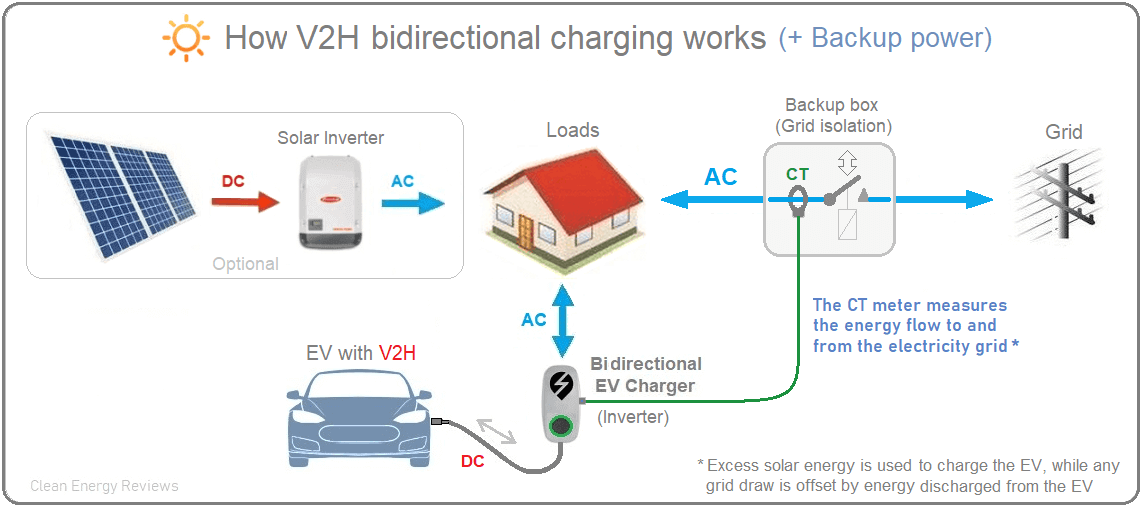
How the Tech Flips Energy Flow
With standard charging, power from the AC grid is converted into DC to charge up your battery. With bidirectional charging, it’s as easy to reverse the above process. Smart converters convert from AC to DC while you are charging and from DC to AC while you're discharging. The efficiency loses of 5-10% (bidirectional charging) vs. 30% (gas generators) while discharging have been lowered due to better performance of today’s power electronics.
V2H (Vehicle-to-Home) systems prioritise homes for electricity during outages. V2G (Vehicle-to-Grid) systems can sell excess electricity at peak rates. Central processors (BMS) create a real-time flow map of both discharge and charge. As part of their functions, they ensure that sufficient reserves (such as 20% SoC) remain available so that your vehicle will not run out of power mid-commute. In addition, Black Start functions, allowing for a restart of all dead devices from a completely dead condition. You will have a 60-100 kWh battery in your garage that will supply your house with the basic energy needs for 2-3 days.
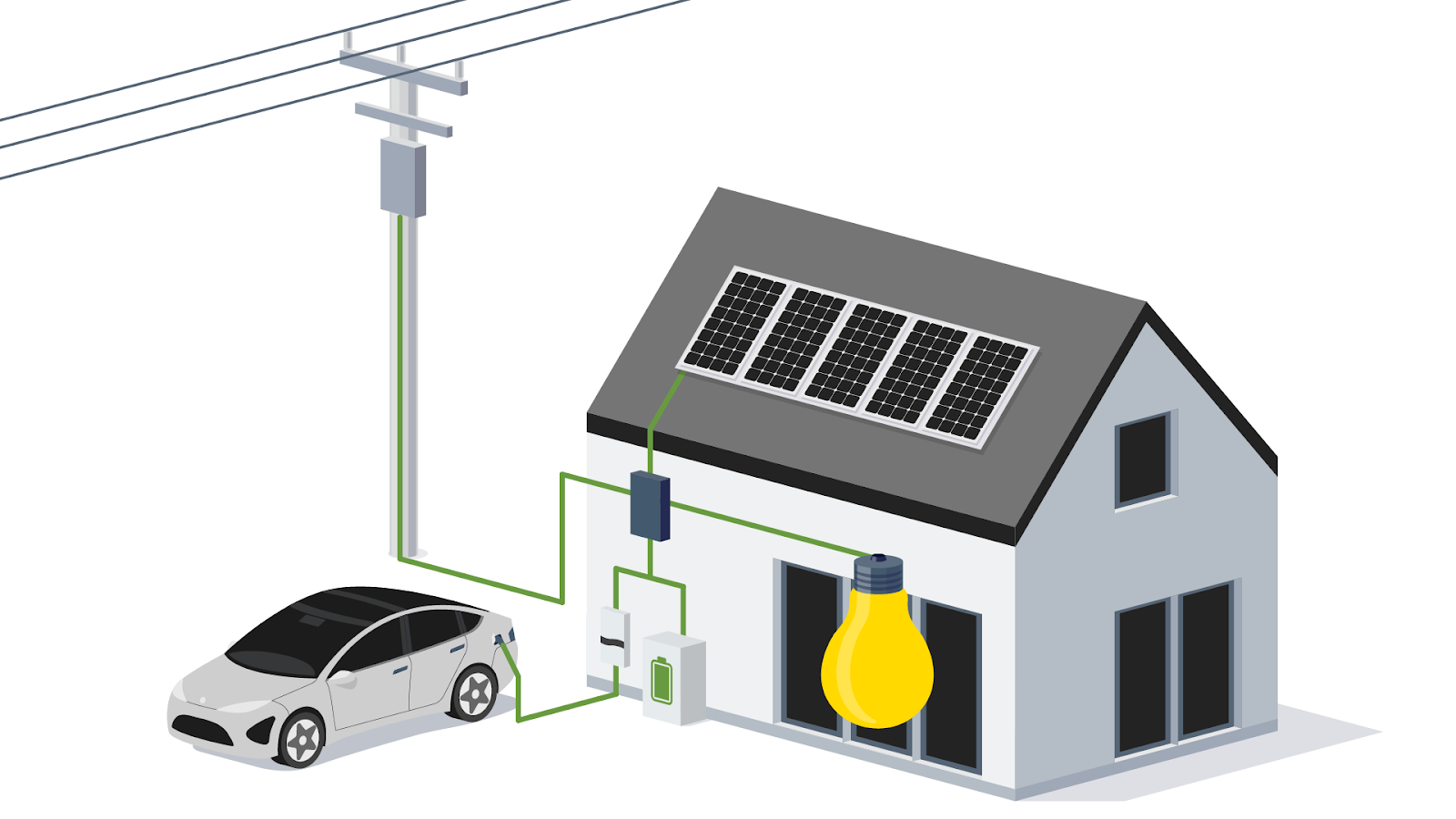
Which EVs Will Bring It to Life in 2026
Hyundai's Ioniq 5/6 and Kia's EV6/9 have a 3.6kW vehicle-to-load capability. If you purchase an adapter (from your dealer or online), you will be able to fully utilize vehicle-to-home functionality. Ford's F-150 Lightning offers a 131kWh battery option that allows for continuous supply of a massive 9.6kW. This will easily power an entire house for several days, as well as your tools, AC, and any overhead lights running at the same time.
GM's Ultium platform (Silverado EV and Cadillac) will be capable of delivering to dedicated hubs (e.g., GM Energy PowerShift) a continuous peak load of 19.2kW, requiring $7,000 for an add-on.
Volvo will integrate vehicle-to-home capability as standard in the 2025 EX90. And Nissan Leafs have been functioning since the early 2000s to make this available in EVs. The majority of these power functionalities will use CCS ports and require firmware upgrades (to confirm the upgrades are valid, check the manufacturer's app). Other premium systems, like Macan by Porsche, which is soon-to-be launched, are designed to seamlessly integrate into the grid.
Fleets will significantly benefit from this technology, vehicles used as work trucks will serve as rolling reserves, further offsetting peak demand charges.
Installing for Effortless Reliability
When we use bidirectional Level 2 chargers, such as the Enphase IQ EV Charger ($2,000) or the Wallbox Quasar 2 (connected directly to your panel), they are programmed to automatically change over to your home during power failures without needing to use manual switches for power transfer. The total installation price will be between $5,000 and $17,000 depending on the CT meters used to monitor the grid, plus permits. The cost can be reduced quickly by receiving U.S. rebates for 30% of the total installation price through the IRA and other local state programs, like the SGIP in California.
Apps will allow the user to: operate in a geofenced area based on how far the car is from the home; schedule V2G payments during peak electrical use in the morning when rates are three times higher then; and have numerous layers of safety to protect against having their batteries drop to levels below a pre-set amount. An example of this would be that a Bay Area executive ran his server farm from a Hyundai Ioniq during a 48-hour power outage from PG&E without any problems.
The estimated ROI would be three to five years on residential systems using arbitrage and faster for fleet system whose costs are reduced 20% by taking advantage of V2G during residential peak hours.
Real Returns for Business and Home
Due to outages, U.S economies suffer approximately $150B in annual losses. The solution to this is V2H, which keeps remote teams connected.
With only one 75kWh battery pack you can run your fridge, Wi-Fi, and heat for over two days at 10 kW draw reducing your dependence on diesel and decreasing emissions by 70%.
The V2G (Vehicle to Grid) Program allows vehicles with batteries to make an average of $200 - $500 per year by allowing utility companies to sell back stored solar or night time energy.
Commercially, the V2B (Vehicle to Building) Program converts depots into microgrids and, according to Elink, achieves demand charge savings of 15-25%. In conjunction with EV tax credits, several logistics companies have powered through storms to provide clients with reliability scores improved by 40%. Companies implementing greener operations are also appealing to ESG investors.
Navigating Hurdles with Eyes Open
Don't sweat extra wear, LFP batteries last 3,000+ cycles, outpacing warranties. Despite $10k-25k upfront (chargers down 20%), India's pilots and global perks make it viable. Your EV: a rent-paying powerhouse. Plug in, blackouts are gone.
Latest Posts