
Body Butter vs Body Lotion What Your Skin Actually Needs This Winter
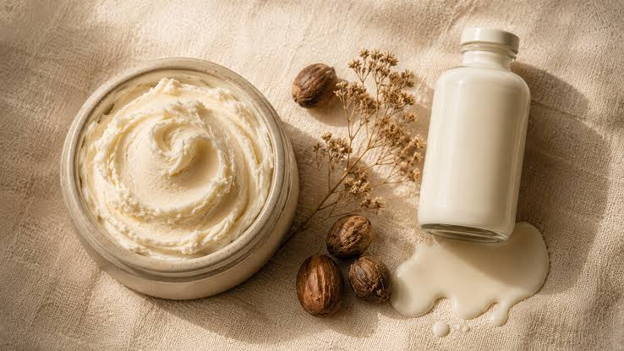
The same lotion that felt light on your skin and blended seamlessly now vanishes in minutes while that majestic tub of body butter keeps tempting you with its heavy look. To some extent, both of them promise similar rewards - deep hydration coming from pretty jars that promise to nourish your skin from within and while many argue for making a choice between the two, they’re made for slightly different jobs and the exact choice for your winter lies more in how dry your skin is, what routine you follow and the weather around you!
This article is for general information and not advised to be utilized as medical advice. Product formulas vary widely, so the ingredient list matters more than the name on the front.
Table of Contents
1. The Short Answer
2. What Winter Does to Skin
3. How Body Lotion Works
4. How Body Butter Works
5. Lotion vs Butter at a Glance
6. Matching the Product to Your Skin
7. How to Apply for the Best Results
8. Ingredients Worth Looking For
9. Weighing the Two
10. Conclusion
The Short Answer
Choosing between the two requires consideration for the skin type. If you’re someone with normal or mildly dry skin, a good lotion should keep your skin protected and skin but if you’re someone with skin that is rough, tight, flaky or cracked, a body butter or thick cream tends to work better with its richness and ability to retain moisture for longer periods of time. And if you struggle with very dry skin, using a slight coat of lotion along a layer of butter on top could provide just what you’re looking for!
What Winter Does to Skin
The reduced temperature and the cold air impact the skin differently across skin types, but in a general consensus, mainly strip’s the skin’s natural oils, resulting in a weaker skin barrier. With the barrier damaged, the skin’s outer layer that is responsible to avoid irritants and maintain water levels becomes less efficient, making the skin stretched and tight while also making it dull and itchy.
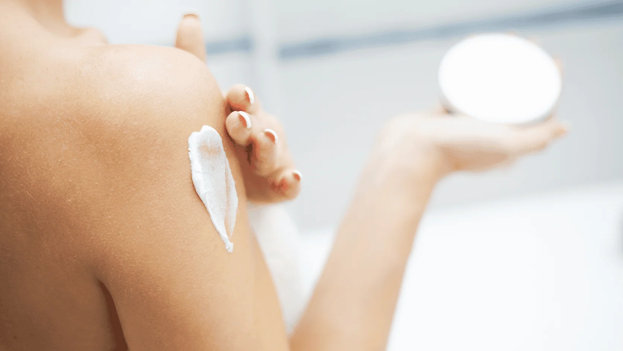
It’s also important to understand how moisturizers work towards minimizing this damage. Generally body lotions tend to consist of Humectants, such as glycerin which are responsible for drawing water into the skin. On the other hand, Body butters tend to involve Emollients such as shea butter or ceramides that provide a soft and smoothened look while Occlusives that include compositions of petrolatum and heavier oils act as protecting layers that reduce water loss making the skin protected despite a damaged barrier underneath.
How Body Lotion Works
In majority compositions, body lotions involve a fine blend of small amounts of oils and humectants which grant it the ability to easily blend and spread across the skin while getting absorbed and leaving a greasy layer and feeling. In the warm or humid weather, body lotions tend to work best with regular use and even leave no heaviness or coverage over the skin. Yet the cost of having a light and effective solution in the form of body lotion arrives in the duration that it can hold posture, often being ignored or disregarded for wearing off quickly or not being effective enough against dry skin or cold climates, body lotion may require repeated applications to uphold its effect.
How Body Butter Works
In comparison, body butters tend to have much less water, with some products even excluding water as a content in its entirety. Usually grounded in plant butter foundations such as shea, cocoa or mango, Body Butters also consist of richer oil that often present a dense and occlusive texture on the skin. The richness in its contents also ensure that it lasts for a long time on the skin while also being effective across both external windy and dry indoor settings. However, many users frequently report complaints of Body Butter feeling greasy and having difficulty in being absorbed into the skin. Body butter compositions also often tend to feel heavy for oily or acne-prone skin or for humid weather.
Lotion vs Butter at a Glance
|
Your skin |
A good starting point |
|
Normal, slightly dry in winter |
A light lotion, used daily |
|
Dry, tight after showering |
A cream or a lighter butter |
|
Very dry, flaky or rough on elbows, knees and heels |
Body butter, especially at night |
|
Sensitive or eczema-prone |
A fragrance-free lotion or cream with ceramides or colloidal oatmeal |
|
Oily or acne-prone on the body |
A light, non-comedogenic lotion |
It is also important to consider the climate and overall weather conditions while making a choice.
Being amongst northern regions that present less humidity often provide you with the opportunity of solely depending on a regular routine of body lotions while mildly humid places or those with cold and dry air may make Body Butter the better suited alternative.
How to Apply for the Best Results
It is also important to develop and actively use a routine to obtain healthy effectiveness across the application of the body lotion and butter. According to standard dermatological practises, individuals can often focus on moisturizing soon after bathing, nourishing skin in a period where it is otherwise vulnerable or unable to retain water and moisture within its walls.
Individuals who struggle with dry or flaky skin especially, can often utilize a strategic approach using the method often called soak and seal:
1. Take a short, lukewarm shower instead of a long, hot one.
2. Pat the skin partly dry, leaving it slightly damp.
3. Apply a lotion for hydration.
4. Seal with a butter or thick cream, focusing on rough areas like elbows, knees and heels.
5. Repeat at night on especially dry patches.
Ingredients Worth Looking For
|
Ingredient |
What it does |
Suited to |
|
Glycerin |
Draws water into the skin |
Nearly all skin types |
|
Ceramides |
Support the skin barrier |
Dry, sensitive, eczema-prone skin |
|
Shea or cocoa butter |
Softens and seals |
Dry skin |
|
Petrolatum |
Strong moisture seal |
Very dry or cracked skin |
|
Colloidal oatmeal |
Soothes irritation |
Sensitive or itchy skin |
|
Fragrance |
Adds scent, can irritate |
People with sensitive skin may want to avoid it |
Weighing the Two
|
Body lotion |
Body butter |
|
|
Pros |
Light feel; easy for daily use; suits most skin in mild weather |
Long-lasting; protective in cold, dry air; good for rough patches |
|
Cons |
May not be enough in harsh winters |
Can feel heavy; may be too rich for oily skin or humid days |
Conclusion
Customers tend to confuse purchasing skincare products based on their labels, yet what’s truly important and better is finding a product that matches the skin. Begin by using a lotion and check how you feel about the skin experience over there. If your skin feels comfortable after applying a lotion, there may not be a necessity to change your routine but if it begins to feel tight or irritated, using a butter or cream might be necessary. On the other hand, regardless of using the two products, the skin continues to appear cracked, inflated or insanely itchy. It could be a good sign to consult a dermatologist for a possible skin condition that needed treatment, not the moisture that we kept providing.
Latest Posts