
Brain Wealth As A Long Term Investment Strategy Focusing On Proactive Neuroprotection In Early Adulthood
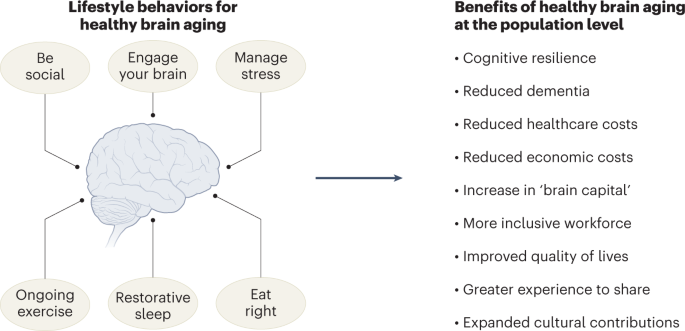
This has consequences not only in terms of health and wellness but also for your earning potential, quality of decisions, and your ability to remain flexible in an ever-changing world.
Why Brain Wealth Matters
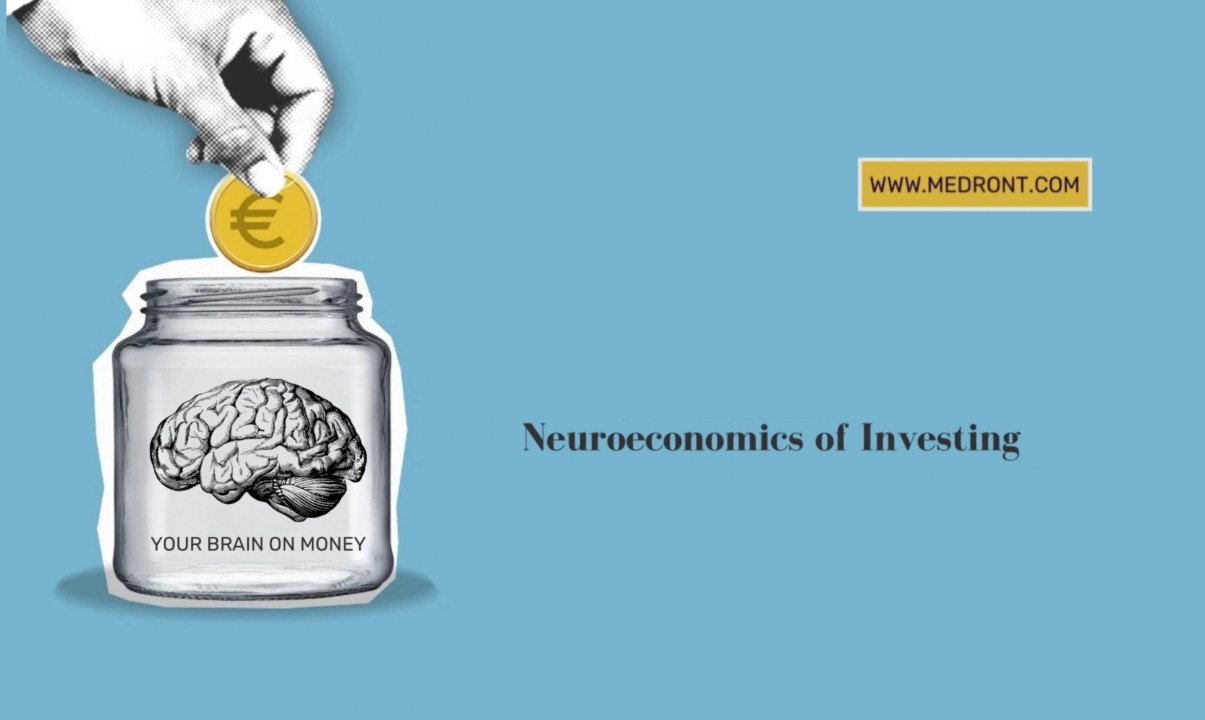
Brain wealth is a basic concept; your brain is also an asset that will gain compound interest over the long term. Just as money you invest in your 20s/30s has a lot of time to compound, the healthy brain habits you create during those years can be very helpful in your later years as it relates to the ability to preserve your memory, mental focus and emotional resilience.
This is especially relevant now when compared to previous times in history because our work environments are now highly cognitively demanding, digitally fragmented, and full of noise (both emotional and environmental).
For an audience of business people, the logic is fairly simple. Good cognitive health is a basis for good performance and good performance is a basis for long-term financial stability. The return may not be immediate but the returns are definitely there.

Neuroprotection Starts Earlier Than People Think
Essentially, proactive neuroprotection is establishing habits to better manage long-term stress on your brain by preparing it ahead of time until there are obvious signs of stress affecting your brain. The majority of people think brain health refers to how well the brain functions as we age; however, it is actually early adulthood that has the greatest impact on developing good habits that support your brain's vascular system, quality of sleep, ability to manage stress, and maintain a balanced metabolism—all of which are interrelated and important for how your brain functions.
In this way, people frequently accumulate multiple risk factors during this period without realising it. Long working hours, inadequate sleep, inconsistent meal patterns, long hours of screen exposure, and chronic stress can all become 'normal' behaviours for large numbers of people. While none of these behaviours seem particularly dramatic at any one point in time, the accumulation of these behaviours over time will ultimately dictate how your brain repairs itself, focuses its attention, and adapts to changing circumstances.
The Business Case for Brain Health
Cognitive performance will impact both your advancement potential and your future salary as well as your overall quality of work. If your cognitive performance improves, it will also allow you to advance through the ranks at a quicker rate than someone else in your position. The higher cognitive performance levels will help an employee be promoted quicker, be a better leader and continue producing at their current level without experiencing burnout.
This is why neuroprotection should be viewed as a long-term self investment. By protecting your brain, you can maintain your future potential, build a good reputation, manage complex situations, and remain current even as the labor market continues to change.

What Actually Supports It
Fortunately, the majority of the behaviours that protect your brain and help you achieve high levels of brain function over time are not sexy. They consist of sleep that occurs on a regular basis, activity that is performed on a regular basis, balanced nutrition and regular consumption of social and emotional support, and effective stress management. You do not need to take part in extreme behaviours; it is enough to maintain these behaviours at a consistent level.
I want to highlight sleep because it is oftentimes the first behaviour people want to give up, especially successful people. Cutting out sleep may feel like a good choice in the short term when considering how much you are getting done; however, the brain will usually demand repayment for the sleep you could have used. When we move, we do not simply do it for fitness; rather, movement increases blood flow to the brain, assists with regulating mood, and assisting with cognitive function. To put this differently, by moving, you will be creating a more solid foundation for both your focus and memory as both are essential tools in your career.
Early Adulthood Is the Best Entry Point
Starting to build your brain wealth early gives you a distinct edge as you’ll be working with time rather than against it. You will have many more opportunities to build habits in your young adult years that will ultimately define your identity than if you start in your later adult years. The importance of this is due to the fact that overall brain health results from the accumulation of thousands of individual decisions over time versus one large decision.
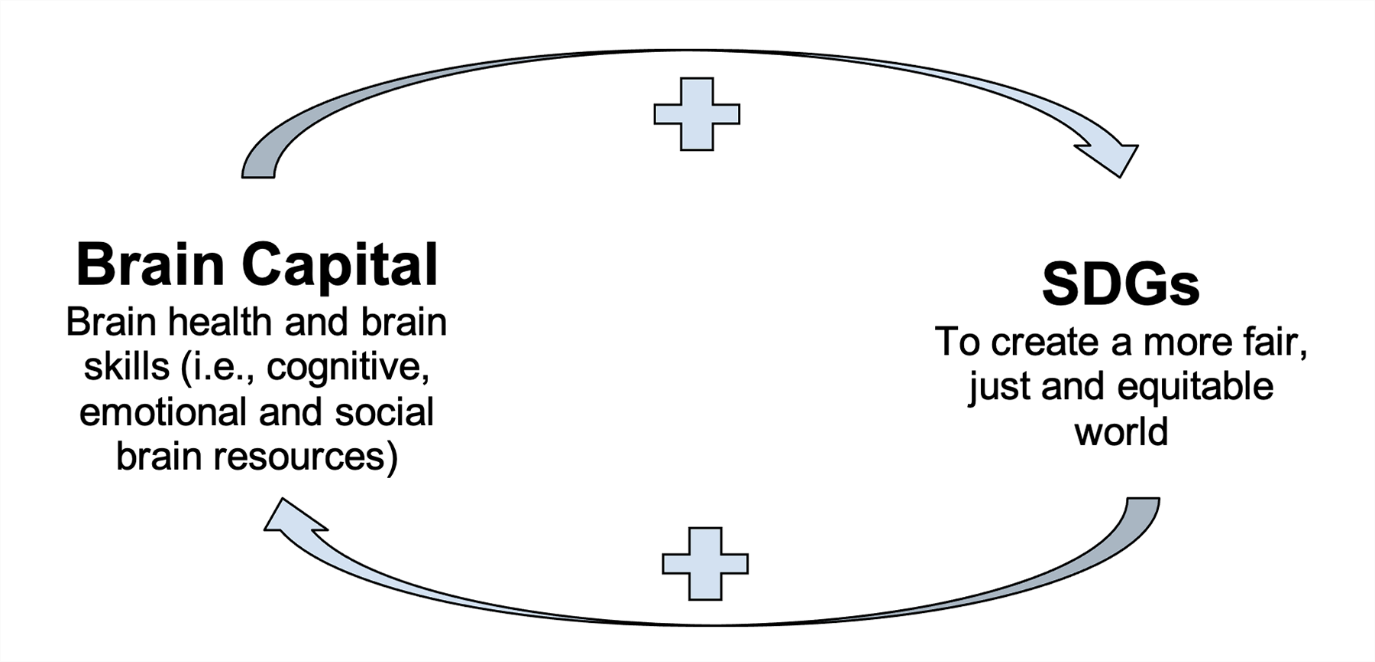
The concept of brain wealth allows for individuals to change the way they view brain health from being short-term to being an asset that needs continuous maintenance and protection in order to allow for clarity of thinking, career earnings, and recovery from adversity to continue to increase over the long term.
A Smarter Way to Think About Risk
Everyday modern life has a multitude of hidden brain stressors; things like constant notifications, chronic overload and low level anxiety. There is often nothing about them that feel like they require urgent attention – this is part of the challenge. If you want to have long-term resilience, however, it makes sense to take steps now to minimize avoidable risk, while the brain is still relatively adaptable in nature.
For example, this does not necessitate that you will live in a rigid way or be obsessed with optimising every opportunity. Rather, it is about making the best of where you are – now and in the future – and not treating your life as if it were just a project. The most sustainably successful strategies are often the very same ones you will be able to continue once you become busy with work, messy due to travel or lack-of-motivation.
The Long View
Investing in the health of your brain is not a fear-based activity. Rather, honoring the efforts your mind exerts daily means respecting yourself. When individuals reach early adulthood, preserving cognitive ability is one of the best things they can do for their future (career and general well-being) as this is the best way to ensure sustained productivity throughout their lives.
People who want to ensure sustained productivity understand this well, therefore, they are likely to have clearer thoughts and make adjustments more quickly while also maintaining their value as they age. This is what makes brain wealth such an appealing idea; it is uniquely yours, but it has clear financial ramifications.
Latest Posts