
Circadian Bio-Syncing Designing a Daily Schedule Based on Your Internal Biological Clock

A lot of things we do today can disrupt this cycle. Working at night looking at screens before bed and not sleeping at the time every day can all cause problems. Some experts think we should try to follow our body’s clock. They call this “bio-syncing”. It means making a plan that works with our body’s internal clock.
Understanding Your Internal Biological Clock
The body clock is like a timer that every human has. It works on a 24-hour cycle. The brains suprachiasmatic nucleus helps control this timer. It is in the hypothalamus part of the brain. This part of the brain mostly reacts to light and darkness.
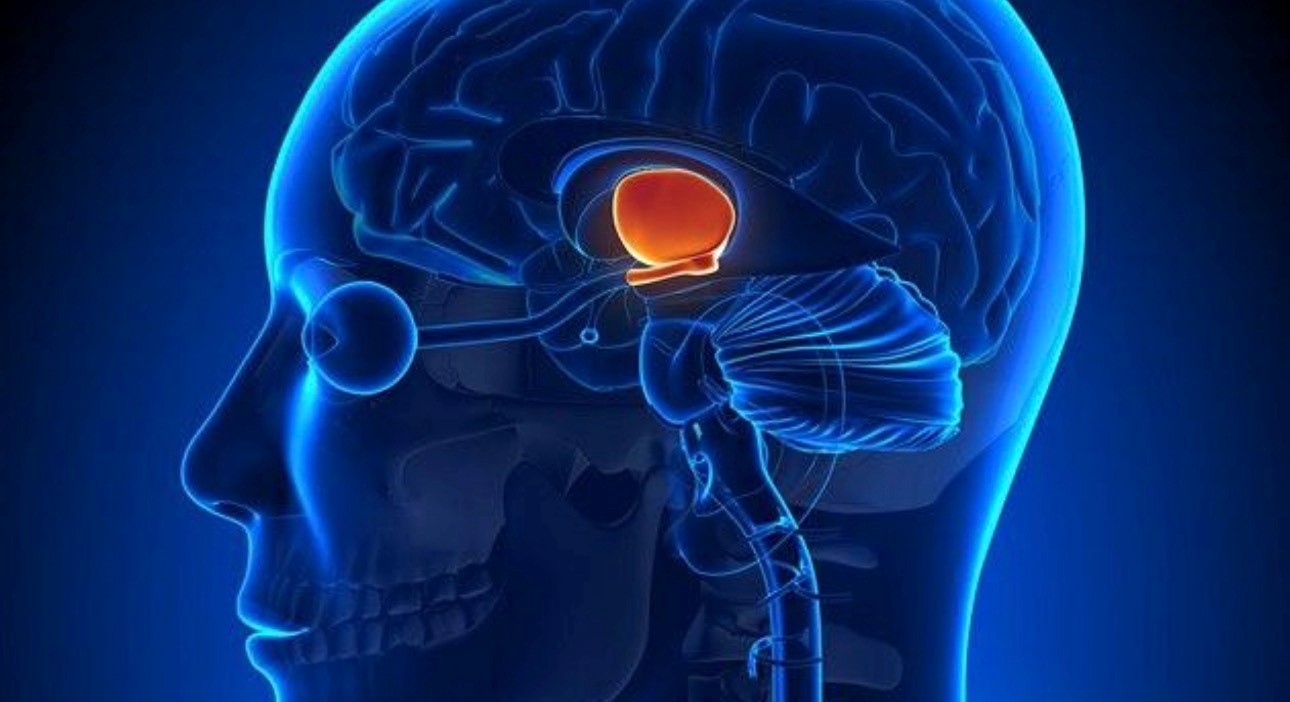
As daylight starts to fade the body starts making melatonin. This gets the body ready for sleep. The body clock also affects other things, such as:
- Heart rate
- Digestion
- How the immune system responds
- Metabolism
- Body temperature
- Hormone release
Many researchers think that having a body clock is one of the most important things, for both physical and mental well-being.
Why Modern Lifestyles Disrupt Circadian Rhythms
The human body is used to the cycle of the sun coming up and going down. Nowadays people do not really follow this pattern. Our daily routines have changed a lot because of things like lights, cellphones staying up late to watch movies working strange hours and traveling a lot.
Many people stay up long after the sun goes down and look at screens that give off light. This blue light stops our body from making melatonin, which helps us sleep. Some people have to work at times of the day and night which messes up their body’s natural clock. When our circadian rhythm is disturbed it can lead to poor sleep trouble focusing and health problems.
The Science Behind Circadian Bio-Syncing
Our body has its natural rhythms. Circadian bio-syncing is about planning our activities around these rhythms. We do things better at different times of the day.
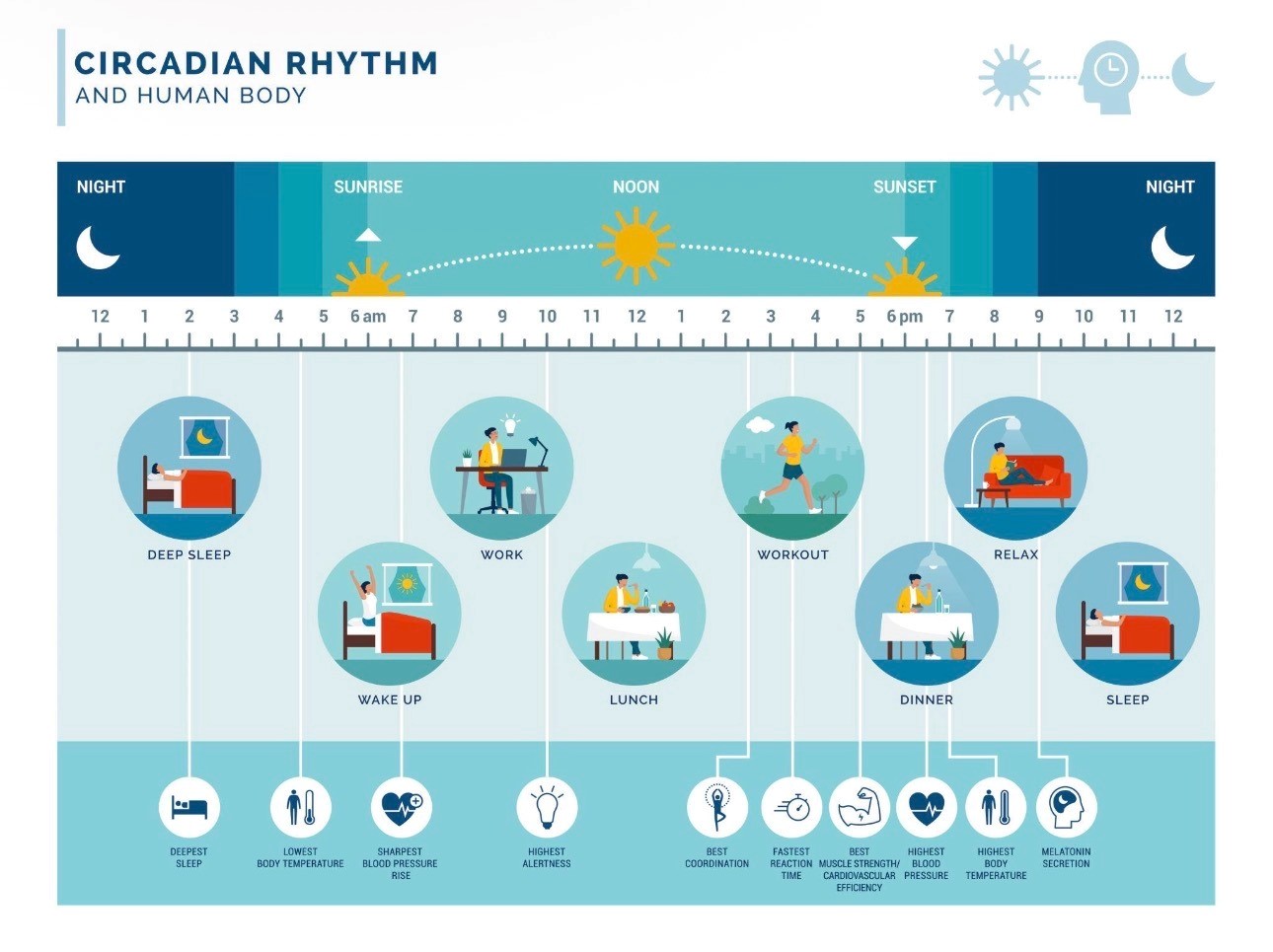
For example our body is usually better at things in the afternoon. We are more alert in the morning. Our body also digests food better when we eat earlier in the day not at night. We can decide when to work, when to exercise, when to eat and when to rest.
Designing a Morning Routine That Works With Your Body
The morning routine of a person can affect their body for the day. To have a circadian rhythm sleep experts say you should wake up at the same time every day even on weekends. When you wake up it is good to go out in the sunlight for a bit.
Eating a breakfast gives your brain the energy it needs and keeps your blood sugar levels right. Drinking water after you wake up helps your body work properly. Your brain works better, in the morning. It is a good time to do work that is hard to think about.
Optimising Work, Exercise, and Meals Throughout the Day
Our body does things better at different times. This is an idea of circadian bio-syncing. Our ability to think are usually at their best in the late morning and early afternoon.

The best time to exercise is usually in the afternoon or early evening. A time where our body temperature and muscle flexibility is better compared to the whole day. Nutrition is also important. Doctors and other health professionals say we should eat meals at the times every day. Eating meals at the times every day helps our body digest food and manage blood sugar.
The Importance of Evening Wind-Down Habits
The evening is a time for the body to get ready for a good night of sleep. When it is almost time for bed it is an idea to start winding down by not using screens as much turning down the lights and not doing things that are too hard to think about.
Instead doing things like writing in a journal meditating, stretching a little reading a book or listening to quiet music can help the body know it is time to sleep. Going to bed at the time every night also helps the body get into a routine.
Personalising Your Circadian Schedule
No two people have the body clocks. They are based on biology. Whether you are a morning person or a night person depends on your genes. Your body clock is called your chronotype.
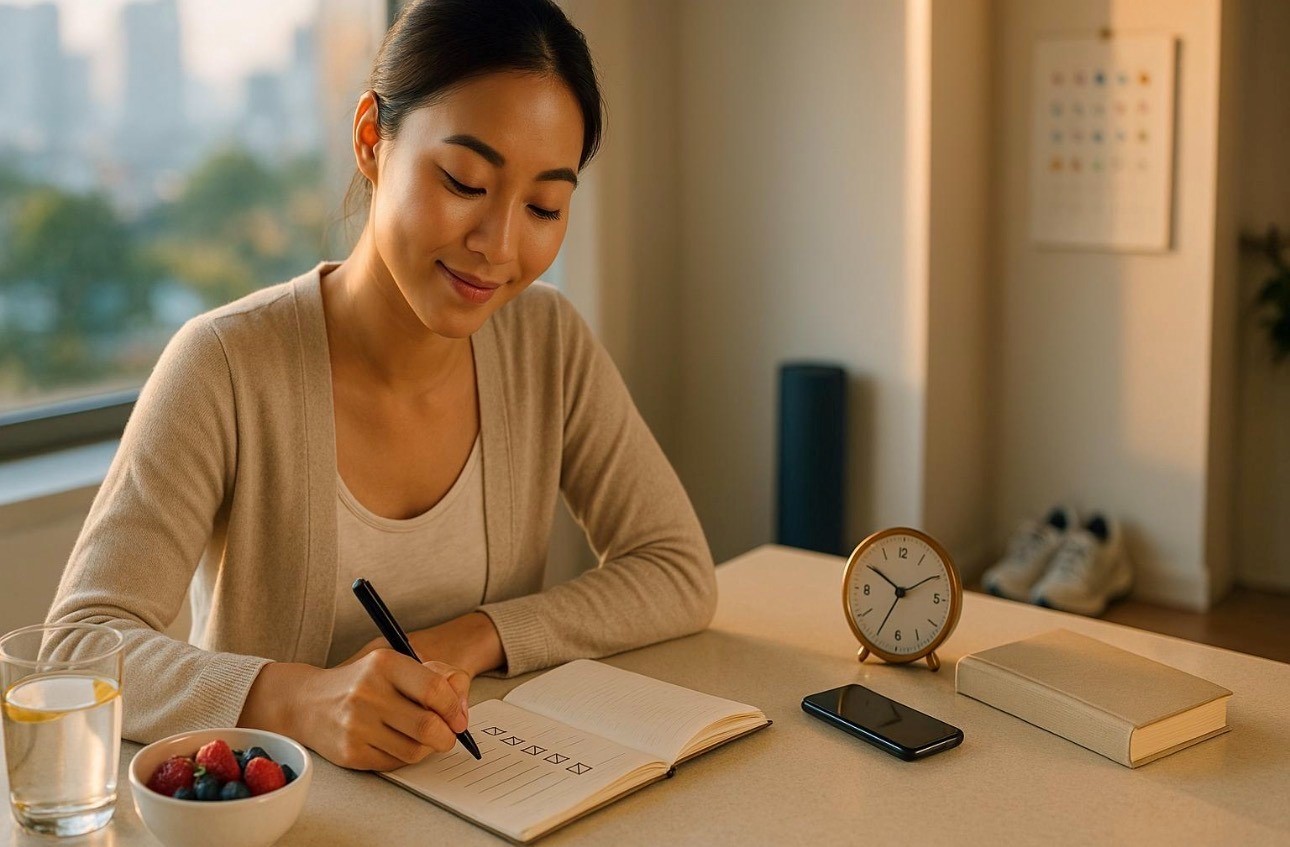
Understanding your energy levels helps you make a daily plan. Pay attention to when you feel awake hungry, tired or productive. This helps you create routines that’re easy to keep and good for your health.
Common Mistakes That Disrupt Your Body Clock
The body’s natural rhythm gets messed up by our routines. Things like changing sleep times staying up on weekends having too much coffee in the afternoon eating big meals before bed and using phones or laptops in bed can disrupt it.
- Traveling across time zones often and working hours can also throw off our internal clock making it hard to adjust.
- Some people spend most of their day under artificial light and do not get enough sunlight.
The first step to getting our rhythm back on track is to be aware of these habits. Our daily choices can make a difference in how we feel.
Why Circadian Bio-Syncing Is Becoming a Wellness Trend
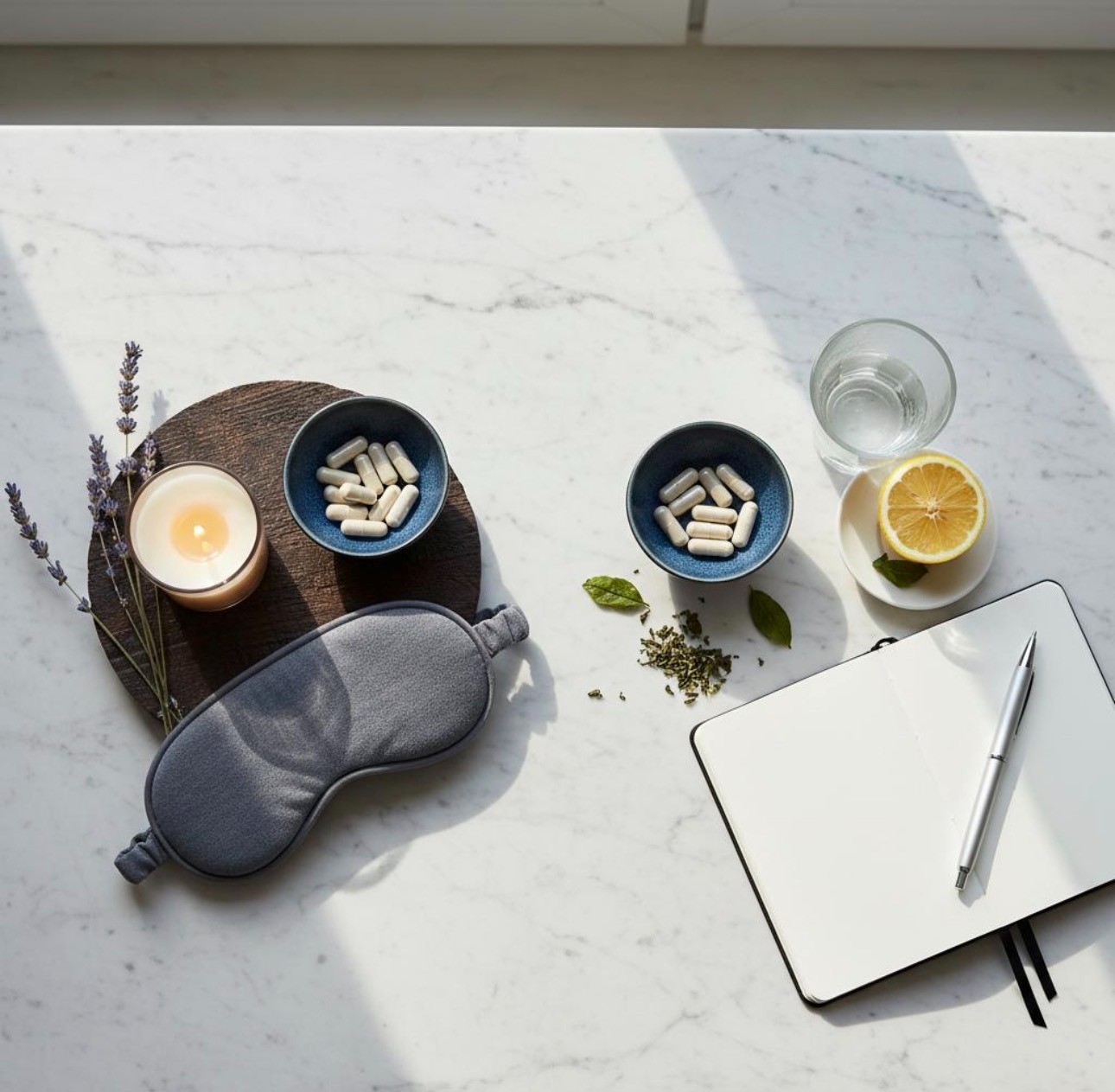
Therefore, growing research shows that syncing our body rhythms has become a way to improve wellness. Experts now see that being healthy is not about what we eat or how much we exercise but also when we do these things.
- Hospitals
- Sports scientists
- Nutritionists
- Sleep experts
- Workplace wellness programs
are using body rhythm ideas in their advice. Bio-syncing is not a fix for issues but following our bodys natural clock can help with sleep clear thinking, feelings and being healthy over time.
Latest Posts