
Continuous Glucose Monitors for Non-Diabetics Evaluating metabolic tracking, energy stability, and real-world wellness value.
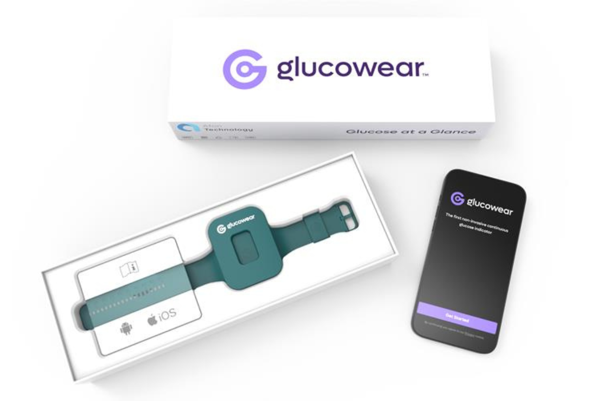
You'll get genuinely interesting data about how your body responds to food, sleep, and stress. Whether that data translates into better long-term health is the part science hasn't fully settled yet.
Why Non-Diabetics Are Suddenly Wearing These Things
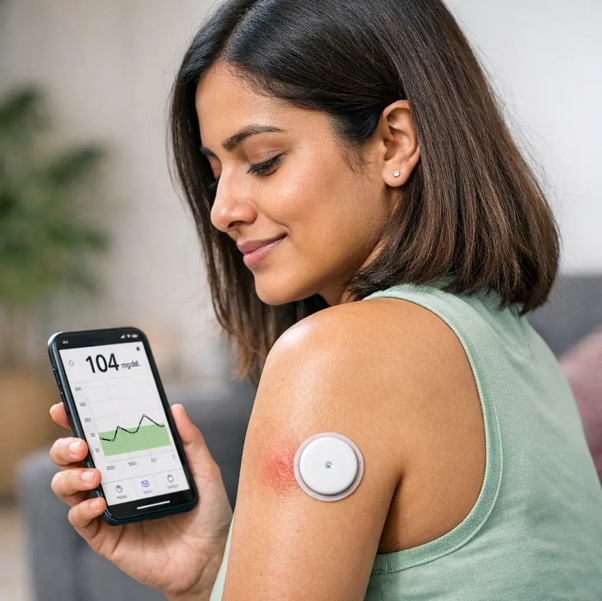
A continuous glucose monitor is a small sensor, usually worn on the back of the arm or abdomen, that tracks blood sugar levels around the clock and sends the data straight to an app. For decades, this technology existed almost exclusively for people with diabetes, since stable blood sugar is a life-or-death concern for that population.
That changed when the FDA cleared the first over-the-counter CGMs for general use. Suddenly, you didn't need a prescription or a diagnosis to strap one on, and a wellness trend was born almost overnight. People are drawn in by the promise of finally seeing, in real time, how a bowl of pasta or a stressful meeting actually affects their body instead of guessing based on how they feel afterward.
What a CGM Can Genuinely Show You
Here's where these devices earn their keep: they're remarkably good at exposing patterns you'd never catch otherwise. Eat the same "healthy" granola bar three days in a row and you might notice your glucose spikes higher after the day you skipped breakfast, or lower after a morning walk. That kind of individual variability is real, and it's one of the more legitimate insights CGMs offer — researchers studying glucose responses have found that identical meals can produce noticeably different reactions from person to person, which is part of why some scientists now talk about distinct "glucotypes" rather than one universal glucose response.
A few patterns tend to show up consistently across users: glucose usually climbs after refined carbs and sugary drinks, dips can follow intense exercise, and consistent meal timing — not skipping breakfast, in particular — seems to help keep swings smaller throughout the day. None of this is exactly a scientific bombshell, but seeing it happen in your own data, in real time, hits differently than reading it in a nutrition article.
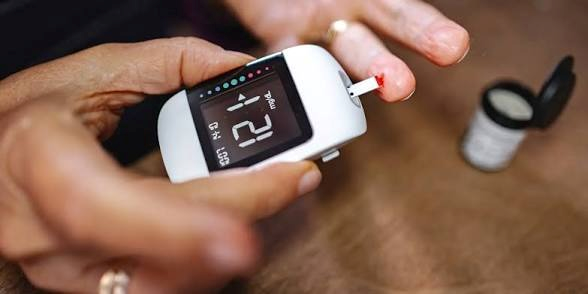
Where the Evidence Gets Shakier
This is the part wellness marketing tends to skip over. A 2026 systematic review and meta-analysis looking specifically at CGM use in non-diabetic populations found that while the technology is expanding fast for health promotion and metabolic optimization purposes, its actual effect on things like weight, glycemic markers, and long-term behavior change remains unclear based on current evidence. The same review pointed out that most existing studies are too short and too small to say much about whether CGM-driven habit changes actually stick.
Researchers at Boston University reached a similar conclusion from a different angle. Their team measured glucose data from a large group of non-diabetic adults and found something worth sitting with: people without diabetes spend a larger portion of the day with mildly elevated glucose than previous assumptions suggested. That's a genuinely useful finding for establishing what "normal" actually looks like — but it also means a lot of first-time CGM users are likely to see numbers that look alarming and aren't necessarily meaningful, simply because reliable reference ranges for healthy people are still being built.
Johns Hopkins researchers have raised the same core question directly: for people who don't use insulin, does tracking blood sugar actually lead to better health, or does it just generate anxiety-inducing data without a clear action plan attached? That's not a rhetorical dismissal — it's a fair scientific question that hasn't been definitively answered either way yet.
Energy Stability: The Part People Actually Notice
Setting the long-term research debate aside, the day-to-day experience a lot of users report is real and worth taking seriously: fewer energy crashes. Glucose spikes followed by sharp drops are a well-established driver of that mid-afternoon wall people hit after a carb-heavy lunch, and watching that pattern happen on a graph tends to be more motivating than being told about it in the abstract. Whether that translates into meaningfully better long-term metabolic health is still an open question, but the immediate, felt experience of steadier energy is one of the more consistently reported benefits among wellness users, separate from any disease-prevention claims.
Should You Actually Get One?
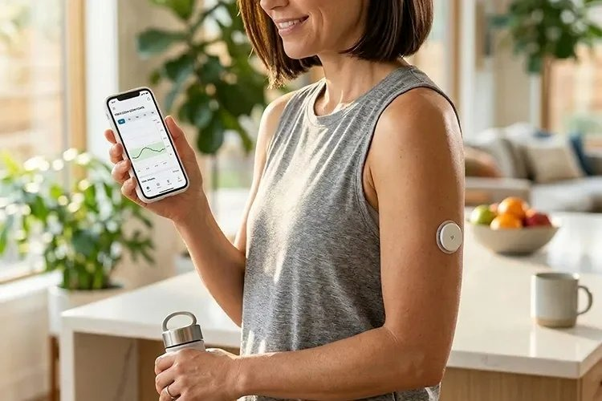
If you're generally healthy, don't have prediabetes risk factors, and you're mainly curious, a CGM can be a genuinely interesting short-term experiment — a few weeks of data can teach you a surprising amount about your own patterns, even without a guaranteed long-term health payoff. If you have a family history of type 2 diabetes, insulin resistance, or other metabolic risk factors, this is worth discussing with a doctor first rather than self-interpreting sensor data, since abnormal readings in that context carry more weight and deserve proper clinical context.
Either way, don't treat a wellness-market CGM the same way someone managing diabetes treats theirs. These over-the-counter devices are explicitly not designed or approved for insulin dosing decisions, and leaning on the data for anything beyond general lifestyle awareness is stepping outside what the technology is actually built and validated for.
Latest Posts