
Daily Driving Habits That Slowly Damage Your Car Without You Realizing
Understanding these hidden habits is essential for anyone who wants their vehicle to stay reliable, efficient, and valuable for years. Let’s explore the everyday driving behaviors that slowly damage your car—often without you even realizing it.
Driving on a Cold Engine Without Warming Up
Modern cars don’t require long warm-up times like older models, but that doesn’t mean you should start driving aggressively the moment you turn the key. When the engine is cold, oil hasn’t fully circulated through all components. Revving the engine or accelerating hard during this phase forces metal parts to rub against each other without proper lubrication.
Over time, this leads to premature engine wear. Bearings, pistons, and cylinder walls are particularly vulnerable during cold starts. A gentle driving approach for the first few minutes allows oil to flow properly and helps internal parts reach optimal operating temperature naturally.
Riding the Brakes in Traffic
In slow-moving traffic, many drivers rest their foot lightly on the brake pedal instead of applying it only when needed. This habit, known as “riding the brakes,” creates continuous friction between brake pads and rotors.
The result is excessive heat buildup, which wears out brake components much faster than normal. Overheated brakes lose effectiveness, increase stopping distance, and may even warp the rotors. This not only affects safety but also leads to frequent brake replacements that could have been avoided with mindful driving.
Accelerating Hard and Braking Suddenly
Quick acceleration followed by hard braking feels efficient in busy traffic, but it puts enormous stress on your car. The engine, transmission, suspension, and braking system all experience increased strain from these sudden changes.
Aggressive acceleration consumes more fuel, overheats engine components, and stresses the gearbox. Sudden braking wears out brake pads, damages rotors, and affects tire grip. Over time, this driving style significantly shortens the lifespan of multiple components while increasing maintenance costs.
Ignoring Small Warning Signs
That faint squeaking noise, slight vibration, or delayed response may seem harmless at first. Many drivers ignore these early signals, assuming they’ll disappear on their own. Unfortunately, small problems rarely fix themselves.
Minor issues like worn belts, low fluid levels, or misaligned wheels can escalate into major failures if left unattended. Addressing warning signs early not only saves money but also prevents unexpected breakdowns that can leave you stranded.
Driving With Low Tire Pressure
Underinflated tires are one of the most common yet overlooked causes of vehicle damage. When tire pressure is too low, the tire’s sidewalls flex more than designed, creating excess heat and uneven wear.
This habit reduces fuel efficiency, affects handling, and increases the risk of blowouts. It also puts extra strain on the suspension system and steering components. Regularly checking tire pressure ensures better mileage, smoother rides, and longer tire life.
Overloading Your Vehicle Regularly
Cars are designed to handle specific weight limits. Carrying heavy loads frequently—whether it’s luggage, tools, or unnecessary items in the boot—forces the engine to work harder and stresses the suspension.
Overloading leads to faster wear of shock absorbers, springs, brakes, and tires. Fuel consumption also increases because the engine needs more power to move the added weight. Removing unnecessary items from your vehicle can significantly reduce long-term strain.
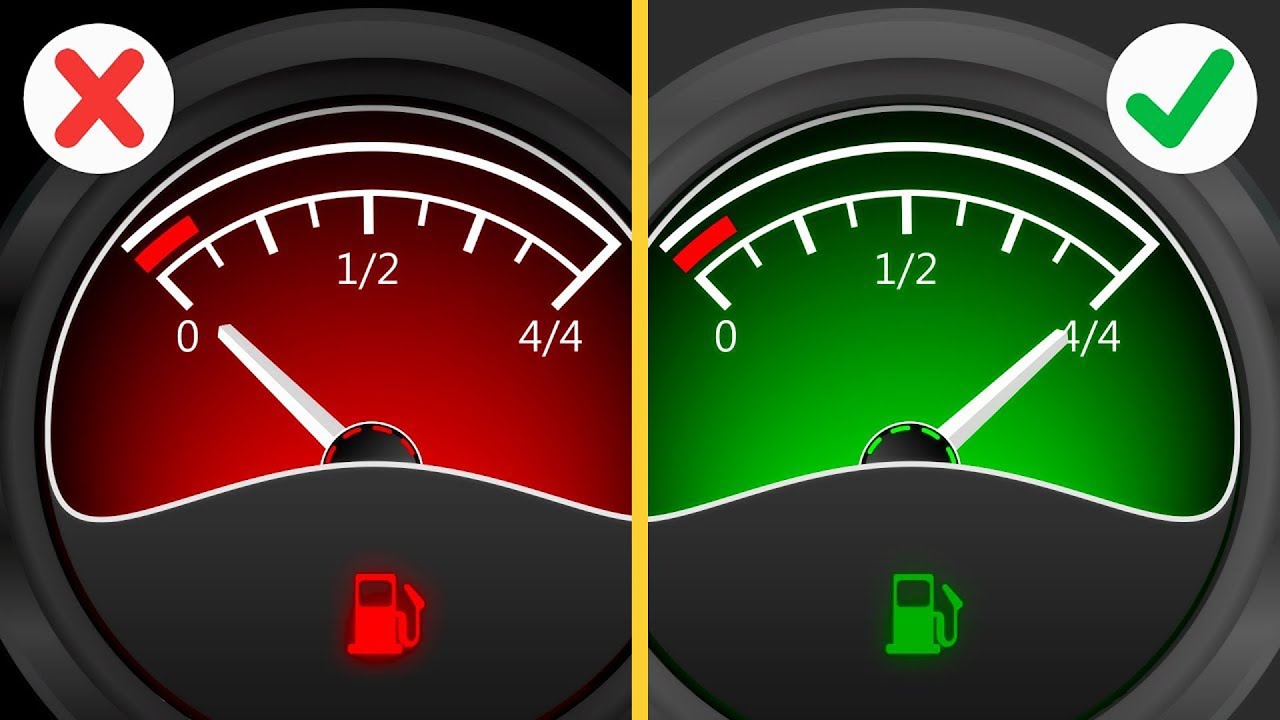
Keeping the Fuel Tank Near Empty
Driving frequently with a near-empty fuel tank can harm your car’s fuel system. Sediments and debris naturally settle at the bottom of the fuel tank over time. When fuel levels are low, the fuel pump is more likely to draw in these impurities.
This can clog fuel filters and damage the fuel pump, leading to reduced performance and costly repairs. Additionally, fuel helps cool the fuel pump, so low levels can cause overheating. Keeping at least a quarter tank of fuel is a simple way to protect the system.
Resting Your Hand on the Gear Lever
It may feel natural to rest your hand on the gear lever while driving, especially in manual cars. However, this habit applies constant pressure to the transmission’s internal components.
Over time, this pressure causes premature wear of the selector forks and synchronizers inside the gearbox. While the damage happens slowly, transmission repairs are among the most expensive automotive fixes. Keeping both hands on the steering wheel not only protects your gearbox but also improves driving safety.
Driving Over Speed Bumps Too Fast
Speed bumps and potholes are unavoidable on many roads, but how you approach them matters. Driving over bumps too quickly sends shock waves through the suspension system.
Repeated impact damages shock absorbers, struts, control arms, and even wheel alignment. Slowing down before obstacles allows the suspension to absorb impact properly, extending its lifespan and improving ride comfort.
Skipping Regular Servicing Because the Car “Feels Fine”
One of the most damaging habits is delaying routine servicing simply because the car seems to be running well. Engine oil degrades over time, filters clog, fluids lose effectiveness, and components wear out gradually.
Routine servicing identifies issues before they become serious. Skipping it increases the risk of engine sludge, overheating, reduced mileage, and sudden breakdowns. Preventive maintenance is always cheaper and safer than reactive repairs.
Constant Short Trips Without Long Drives
Short trips—especially those under 10 minutes—don’t allow the engine to reach optimal operating temperature. This leads to incomplete fuel combustion, moisture buildup, and faster oil contamination.
Over time, this habit increases engine deposits and reduces efficiency. Occasional longer drives help burn off residue, recharge the battery fully, and keep engine components clean and well-lubricated.
Poor Parking Habits
Where and how you park your car also matters. Parking under direct sunlight every day fades paint, cracks dashboards, and damages rubber seals. Parking on uneven surfaces can strain suspension and tires.
Choosing shaded areas, using sunshades, and parking on level ground whenever possible helps protect your car’s exterior and mechanical components from unnecessary stress.
Letting Dirt and Grime Build Up
Many drivers see car washing as purely cosmetic, but dirt buildup can cause long-term damage. Dust, mud, and road salt trap moisture, leading to rust and corrosion—especially underneath the vehicle.
Interior neglect also affects air quality and component lifespan. Regular cleaning protects paint, prevents rust, and maintains the overall health of your car.
Final Thoughts
Your car’s condition is shaped not just by how often you service it, but by how you treat it every single day. Small habits—accelerating gently, listening to warning signs, maintaining tire pressure, and driving mindfully—add up over time.
By becoming aware of these daily behaviors and making simple adjustments, you can extend your vehicle’s lifespan, improve performance, save money on repairs, and enjoy a smoother driving experience. The best part? Most of these changes cost nothing—just a little attention and care.
Your car works hard for you every day. Treating it right ensures it continues to do so for years to come.
Latest Posts