
Dhanteras Buying Guide Gold Coins, Digital Gold, or Gold ETFs
This year, Dhanteras looks set to be observed on November 6, Friday and with the date approaching soon, the need to weigh choices is heavier than ever.
Buying gold isn't difficult! You could walk into a jeweller and choose the right piece for you or you could purchase digital gold directly from your account. Perhaps you could also buy units of a gold exchange-traded fund through a brokerage account and all of those choices would channel your investment into gold but the costs, protections and returns for the future could largely vary in the future and are worth considering before you make a purchase!
Table of Contents
1. Dhanteras 2026: Date, Timing and the Price Backdrop
2. Gold Coins: The Traditional Choice
3. Digital Gold: Convenient, but Unregulated
4. Gold ETFs: The Regulated Route
5. Side-by-Side Comparison
6. Pros and Cons at a Glance
7. Which Option Suits Which Buyer?
8. Conclusion
Dhanteras 2026: Date, Timing and the Price Backdrop
Traditionally, Dhanteras falls on the thirteenth lunar day of Kartik's dark fortnight. For 2026, the auspicious purchase time is expected to be within the duration of the Trayodashi tithi beginning from about 10:30 AM on November 6 and extending up to 10:47 AM on November 7.
While the festival looks set to return with an unprecedented level of festive zeal and spirits, the market trends are sure to influence purchasing decisions of individuals around the country. The gold markets and prices have witnessed significant turmoil in the past few weeks with a single 10-gram purchase of 24-carat gold currently ranging around the ₹1.4 lakh mark excluding taxes and making charges. And that very price is the premier reason why many buyers are considering smaller or more smarter alternatives to finalize their optimum mode of investment.
Gold Coins: The Traditional Choice
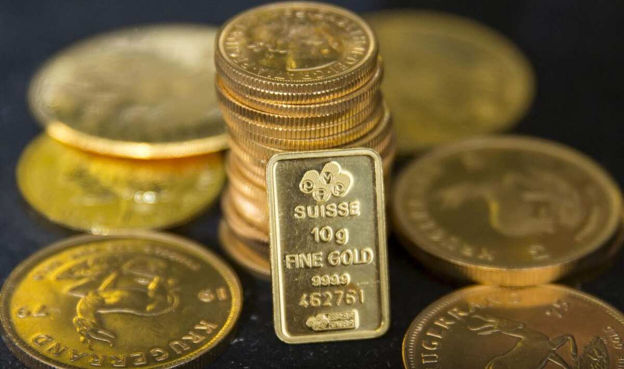
Physical Gold Coins have become synonymous with Dhanteras, especially for its ability to be presented before the deity during puja or perhaps even gifted to others. It is generally advised for investors to rely on established sellers such as banks, larger jewellery chains as well as their trusted jewellers while also being careful to check for BIS hallmarking as well as the purity of their 24-carat coins (99.9%). Yet, it's important to not overlook three important risks and charges associated with physical Gold.
1. An additional GST of 3% is often levied upon the metal.
2. Small coins can often incur additional charges as a premium or making charges.
3. Sellers might deduct a margin or provide marginally depreciated value when buying back gold, especially if the gold was packaged or sold by a different seller.
Notably, gold coins as an investment often require a significant or noticeable margin of price rise above the purchase value in order to guarantee a profit (considering the cost price rises with inclusion of reduced value on resale), a requirement that places it in the category of long term investment often stretching years instead of short-term trading options. And if the levied charges weren't scary enough, physical gold also solely places the risk of theft as well as damage on its owner.

Digital Gold: Convenient, but Unregulated
Digital gold has emerged as another frontier of investment options along with the rise of payment and Fintech apps that enable users to purchase virtual gold of equivalent amounts as less as ₹100 while storing the physical exchange with a vault partner. And in a country that has millions of people buzzing to visit jewellery stores on a festive evening, has quickly gained popularity for its ease of purchase alongside the ability to sell or even convert into physical gold in few specific platforms.
While all its benefits create an undeniable appeal, the regulatory position of digital gold is an alarming issue. The Securities and Exchange Board of India has clearly reported that neither digital gold or e-gold products are notified as securities or considered as regulated by commodity derivatives, placing them outside the Board's purview. This in turn highlights that investors who choose digital gold often miss out on the market regulator's investor-protection and grievance-redressal mechanisms making it an extremely risky investment. Additionally, GST and platform commissions are also implied which could often result in receiving lesser valuation than purchase points, especially when selling within an immediate or shorter term.
Gold ETFs: The Regulated Route
Gold ETFs refer to mutual fund products listed on stock exchanges wherein the physical gold is actually supported and held by an independent custodian. SEBI, the regulatory board that manages guidelines and legislation for investors includes gold ETFs, exchange-traded commodity derivative contracts and Electronic Gold Receipts as the exclusive gold related products under its regulated purview, meaning purchasing Gold ETFs through a verified platform or broker could also provide SEBI affiliated support and insurance guarantees as well.
Purchasing Gold ETFs simply require you to own a demat and trading account through an authorized broker while not having to worry about making charges or check for the perfect purity benchmark alongside the freedom of being able to sell on any trading day. The account costs often include the platform’s brokerage as well as small annual expense ratio and the cover for difference between the market price and the fund's net asset value. Gold ETFs may offer the most accessibility and protection, but they take away the tangentibility of a physical asset while also limiting purchase and sale decisions during active hours of the market, meaning you might have to buy earlier in the day regardless of when the actual muhurat might strike. Notably, Gold ETFs also involve varying tax treatments across formats with capital gains being subjective to holding-period rules that need to be considered when selling current holdings.
Side-by-Side Comparison
|
Feature |
Gold Coins |
Digital Gold |
Gold ETFs |
|
Regulator |
BIS hallmarking for purity; no investment regulator |
None (outside SEBI) |
SEBI |
|
Minimum purchase |
Cost of the smallest coin |
As low as ₹100 on many apps |
One unit, often about 1 gram's value |
|
Main costs |
3% GST, premium or making charge, resale deduction |
3% GST, platform spread and fees |
Brokerage, expense ratio, small tracking difference |
|
Storage |
Buyer's responsibility |
Platform's vault partner |
Demat account |
|
Ritual value |
High: physical item for puja |
Low |
Low |
|
Counterparty risk |
Seller's buyback terms |
Platform and vault partner |
Lower, with custodian and SEBI audits |
|
Ease of selling |
Dependent on seller |
Within the app |
On exchange trading hours |
Pros and Cons at a Glance
|
Option |
Pros |
Cons |
|
Gold coins |
Tangible and traditional; no demat account needed; can be gifted |
Premium and resale deductions; theft risk; purity must be verified |
|
Digital gold |
Very small amounts; instant; no storage at home |
No SEBI protection; platform risk; fees on both sides |
|
Gold ETFs |
Regulated and transparent; low ongoing cost; easy to sell |
Needs demat account; trading hours; no physical item |
Which Option Suits Which Buyer?
|
Buyer goal |
Format commonly considered |
|
Observing the ritual with a physical item |
A small hallmarked coin from a reputed seller |
|
Investing for the long term with minimal cost |
Gold ETFs |
|
Small, regular festival purchases |
Digital gold, with limited exposure and an understanding of the risk |
|
Gifting |
Branded coin or jewellery |
Indian households have traditionally found the appeal of physical gold as the strongest while also having grown with changing trends by diversifying investment into a single small coin or jewellery for religious and puja customs while investing a comparatively larger sum in an ETF. Financial advisers typically suggest investors to limit their overall investment in gold or metals while encouraging them to develop a wider portfolio and profile based on the larger individual goals.
Conclusion
All three forms of gold investments have been specifically curated and developed for a long time to cater to specific needs and concerns of the consumer populations. Physical gold in the form of Gold coins as well as jewellery often perish over time and enable regular use in religious rituals, celebrations as well as outcomes but they come with premiums and resale friction that may not suit short-term or non-asset oriented investors. Digital gold offers greater convenience and scope for investment, yet requires careful consideration as well as acceptance of risk being outside the regulating body’s purview while Gold ETFs provide the highest possible protection while requiring sacrifice of cultural practises as well as hassle-free investing that not only fulfills your current needs but also helps plan for a fruitful future!
Latest Posts