
Digital Detox 2.0 How to Reset Your Dopamine Levels Without Going Off-Grid

The Hidden Cost of Endless Stimulation
When viewed from a high-stakes perspective, your brain operates like a dashboard. Every time you receive a like, an email, or a quick win in your social feed, your brain releases dopamine, the chemical responsible for motivation and focus. If this happens often enough, as time goes on, your brain will not react as strongly to those rewards because your brain will have received too much of the reward and will therefore have downregulated, thereby making it more difficult to take on a routine task (e.g., creating a strategy document).
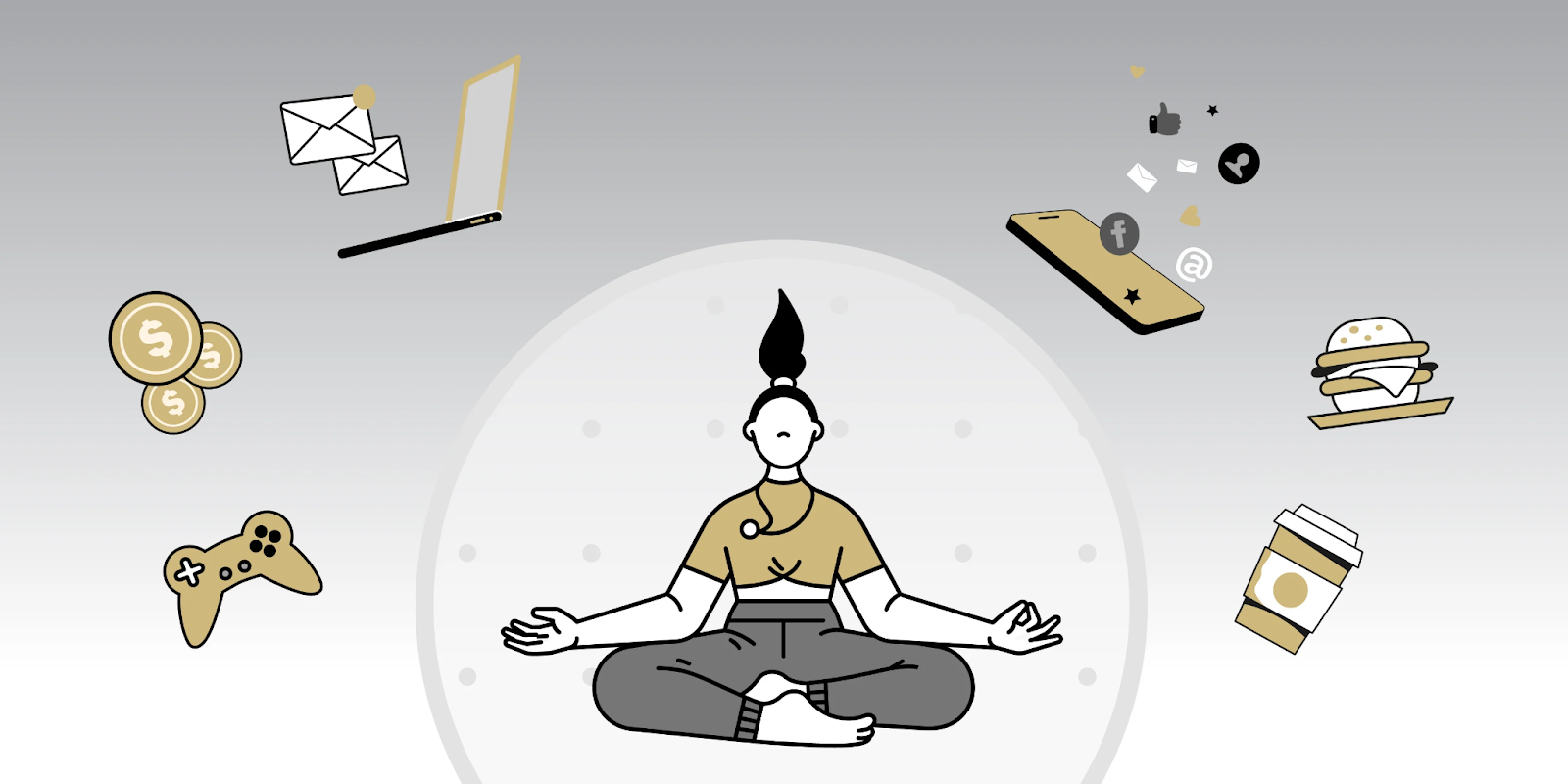
The statistics paint an alarming picture for professionals today, with 61% of working adults reporting symptoms of digital-addiction, which translates into a productivity loss to organizations of $2,280 per employee due to fatigue. A study by Ernst & Young showed productivity gains of 25% in creativity and 30% in employee satisfaction in teams that took short digital detoxes from their normal workday. This isn't about laziness; it's about biology that needs a reset.
Why Traditional Detox Falls Short for Business Minds
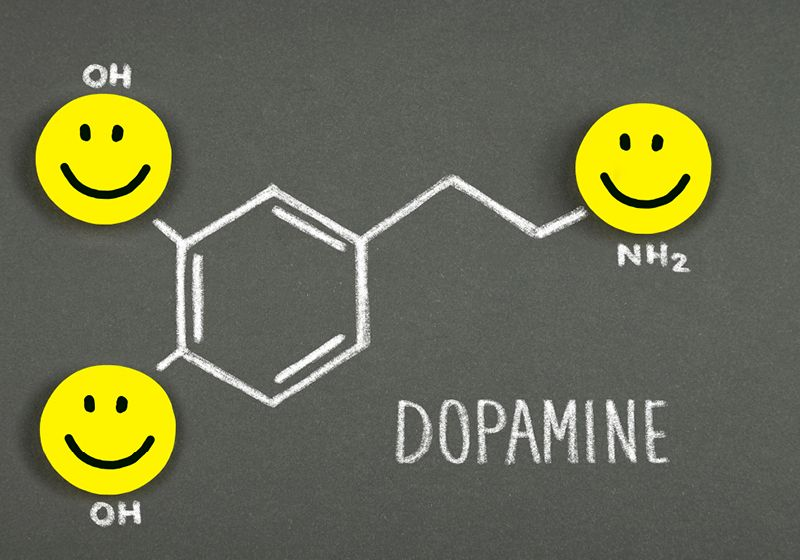
Going fully off-grid sounds noble, but for leaders juggling client calls and market shifts, it's impractical. The old dopamine fasting, eschewing all pleasure for 24 hours—ignores nuance. Science clarifies it's not about starving dopamine (vital for drive) but lowering the baseline from artificial spikes to restore sensitivity.
Extreme versions risk rebound cravings or isolation, per reviews on behavioral addictions. Instead, version 2.0 uses targeted pauses, drawing from addiction recovery insights where brains rewire through balanced habits, not deprivation. This keeps you productive without the all-or-nothing trap.
Core Strategies to Reset Without Disconnecting
While it seems glorious to go completely off-grid, for those in leadership who are attempting to manage client calls and changes in the marketplace at the same time, it's simply not attainable. This is similar to the way many people have attempted dopamine fasting over the past few years (by denying themselves all pleasure for an entire day) without considering the nuances of these behaviours. Science has now demonstrated this is not about starving dopamine from your system (dopamine is necessary for motivation) but rather attempting to return to a lower level baseline that allows your body to be more responsive (i.e., increased sensitivity).
While some have attempted extreme versions of this, they are at risk of experiencing cravings for dopamine rebound or isolation as exhibited in the many reviews of compulsive behaviours. On the other hand, an alternative version (fooled by different interpretations) would provide you with short intervals throughout the day where you can take a break and engage in mindful behaviours. These breaks can come from utilizing techniques that have proven successful in addiction recovery, where repetitive behaviour is rewired specifically for success. You will have a much greater ability to remain productive without going through the all-or-nothing process.
Building a Sustainable Business Routine
Imagine your day at work flipped upside down – to a new "focus gym": at your "focus gym," you'll do some focused work (at least 25 minutes), take a break (low stimulation – stretch vs. scroll), then repeat the process over and over again. Research shows that doing something called "digital detox" can lower stress levels by 25% to 50%, improve the dynamics of the group and have 32% higher levels of group trust than those who do not detox digitally.
For teams, propose "digital sunrises" (not using phones before 9 AM) to your HR department. Organizations report fewer absences from work and improved conflict resolution between individuals using digital sunrises. You can measure success through apps that restrict you to 50 pickups per day so that you develop impulse control and do not lose your connection to others. Using some mindfulness apps (and ironically) for even 5 minutes normalizes how to signal according to research done on the brain.
The proof? According to a September 2021 LinkedIn marketplace report, organizations that have implemented detox programs have seen 40% fewer absences due to stress, allowing formerly scattered executives to become productive closers. Another strategy would involve combining goal micro-wins with completing at least one piece of outreach to earn rewards before consuming caffeine.
Long-Term Gains for You and Your Bottom Line
Eventually, people become more sensitive.Certain repetitive activities bring joy; procrastination decreases. Young professionals continue to link the intentional use of breaks to enhance their ability to manage their emotions and their productivity according to new studies demonstrating the value of being more present in using technology. In addition to being more mentally clear, you will be a better leader today by being present in both negotiations and creative presentations.
The science will back this trend as what you're experiencing is a trend that has its origin in the science of the brain combined with the demands of the modern workplace. Your next step is to gather data from your current work habits, establish the number of hours spent in daily activities with respect to the number of hours spent producing, and take the necessary action to adjust your behaviors. Your brain is now capable of creating a distinct competitive advantage for you.
Latest Posts