
Glucose Monitoring for Everyone How to Stabilize Your Energy Levels
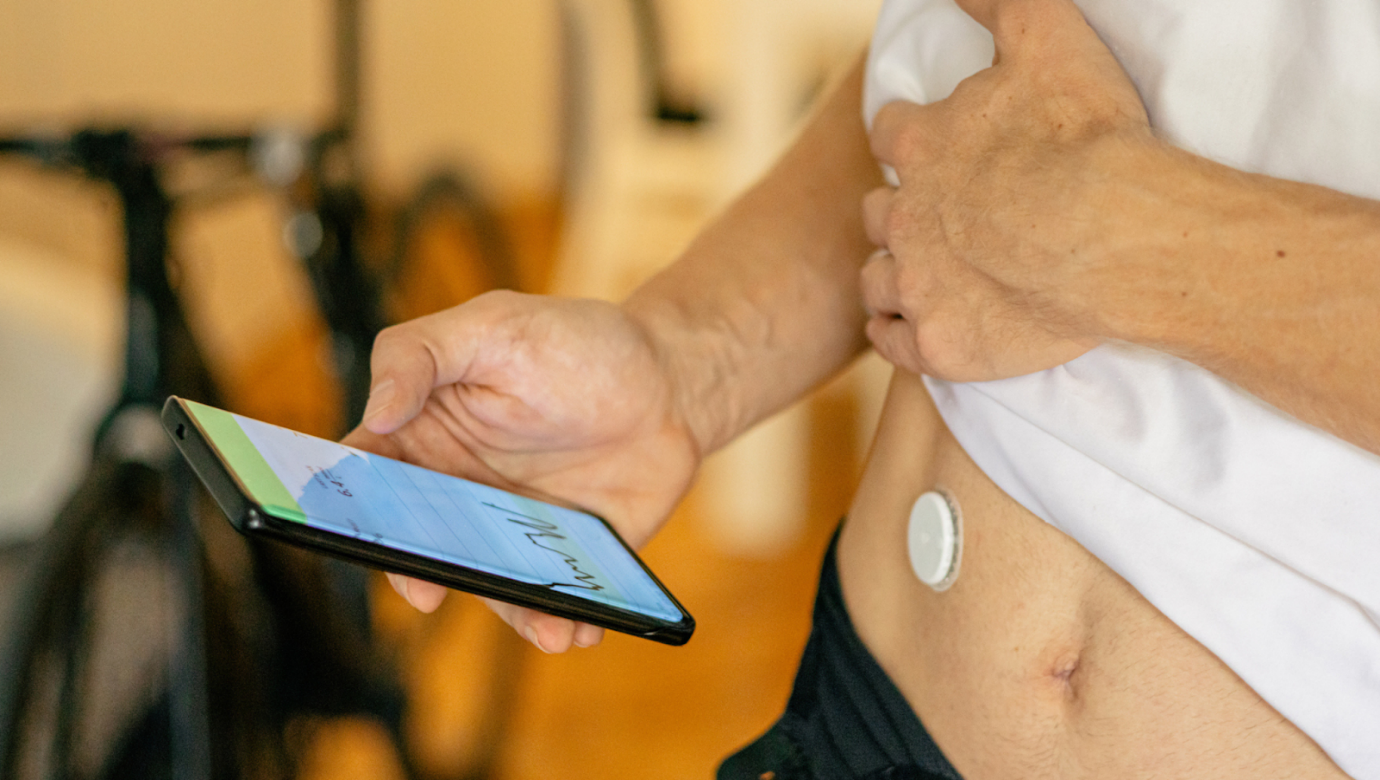
For those in the digital and business community, maintaining steady energy levels while working can be crucial to accomplishing goals. Energy represents our body's basic operating system; thus when glucose regulation is compromised, poor decision-making along with decreased emotional resiliency will occur.
Why Glucose Spikes Crush Your Energy
Every time you eat food, your body converts carbohydrates into glucose, then sends glucose (sugar) into the bloodstream (blood). This provides your cells with a necessary fuel source. Initially, the rapid rise of sugars to your bloodstream may feel tremendous, but they all too often result in the familiar “post-lunch crash”—heavy eyelids, lack of clarity, and overwhelming natural impulse to find anything else to do, but work.
It’s not just about the spike, it also includes the drop, because your body then releases insulin to reduce the sugar level in your blood. If your insulin levels are too high, the dip is usually quite steep; therefore you will most likely feel tired, shaky, or craving snacks. Repeatedly being subjected to this pattern over time is likely to decrease your overall metabolic health—a critical component of workplace performance, particularly at 3:00 p.m.
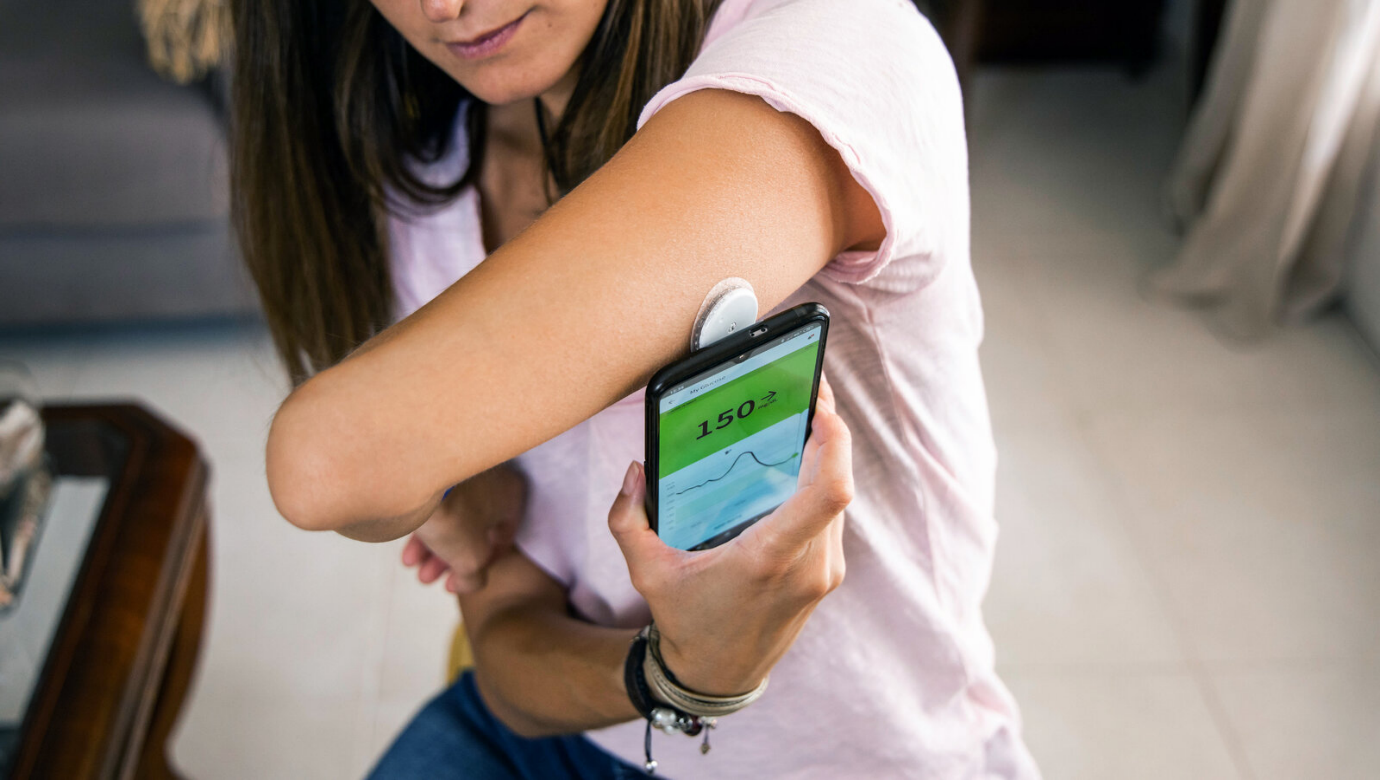
How Everyday Glucose Monitoring Works
For tracking blood sugar, you do not have to live in the clinic to do so! Tracking blood sugar at home is becoming very common with two options.
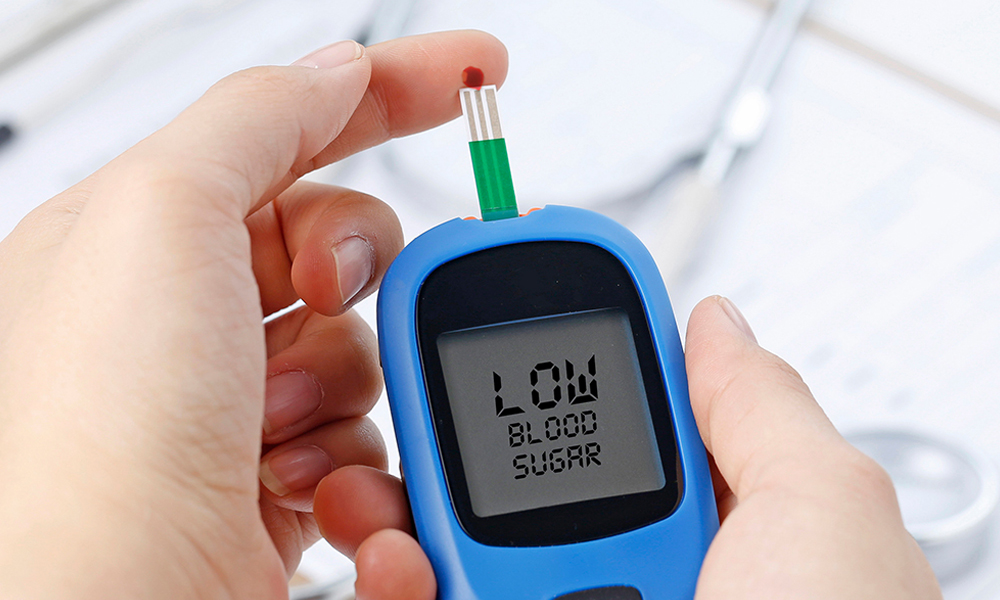
- Finger-prick test every so often with basic at home glucose monitor
OR
- Continuous glucose monitor (CGM) worn on the skin that sends information to an app on your phone.
The CGM is where it gets really cool, especially for the busy and data driven people who are trying to maintain normal blood sugar levels. You can see almost live how the same lunch at work on a stressful day vs. when you were having a calm day would impact your blood sugar levels differently --AND-- how late night email responses impact your blood sugar level trend while you were sleeping.
With these continuous monitors you will have a better understanding of how your body works as opposed to just guessing.
Is Glucose Monitoring Right for You?

While not necessarily requiring a medical diagnosis in order to gain insight from tracking glucose levels in your bloodstream, it is important for you to establish your motivation for monitoring consistently. For instance, if you’re feeling very fatigued or have drastic mood changes around mid-afternoon, or you feel like you are experiencing wired and tired behavior after eating certain foods; tracking your glucose levels over several weeks will help give you greater insight without obsessing over each specific number.
Keep in mind that the goal of using glucose monitoring is not to have the most accurate chart, but rather to create a healthy daily rhythm among your energy levels, work, and overall health.
Simple Ways to Stabilize Your Energy
It is not necessary to have an absolutely perfect diet, but rather to have a pattern of foods that will create smooth glucose curves instead.
Rethink how you build meals
We encourage you to combine a protein source, healthy fats, and fiber with your carbohydrates. This combination of three macronutrients will help slow the rate of glucose elevation in the bloodstream and create gentler hills rather than sharp peaks. You will feel the difference just by making small changes, such as adding eggs to your toast, chickpeas to your salad, or nuts to your fruit; you will notice the effect two hours later.
Sequence and timing matter
The other way that you can reduce spikes in your blood sugar level is by consuming vegetables and/or protein before consuming starch foods. In addition, having the majority of your carbohydrate consumption during the earlier part of the day has been shown to work more in sync with the body's natural rhythms. Eating heavy meals late at night can result in restless sleep, noisy glucose patterns during the night, and feelings of grogginess the next morning.
Zoom out to lifestyle, not just food
Poor sleep, stress, and prolonged sitting may influence your blood sugar levels either positively or negatively no matter how "clean" your food appears nutritionally. Walking after meals, going to bed sooner than you normally do, and taking a few small breaks between calls will all show up as changes in your blood sugar level, and how stable or otherwise your brain feels.
Making Glucose Data Actually Useful
The intention behind this isn't an agenda to track everything forever but to identify your own patterns. A couple of weeks of continuous glucose monitoring can be revealing in terms of what types of breakfasts give you clarity and focus, what types of snacks cause you to lose focus, and how your daily routines either amplify or mitigate these trends.
For individuals that work in knowledge-based positions, including founders and leaders, biohacking from a perspective of vanity is not the object; instead, it is about creating a workday that is in alignment with your biology so that you experience fewer crashes, fewer impulsive decisions, and more consistent and calm output.
When used effectively, glucose data can function less as a medical statistic and more as an enthusiastic co-pilot by providing you with insights that will allow you to create a workday that maximizes your energy while also allowing you to create the life and the work that you envision.
Latest Posts