
How health tech wearables are evolving into preventative on device diagnostics
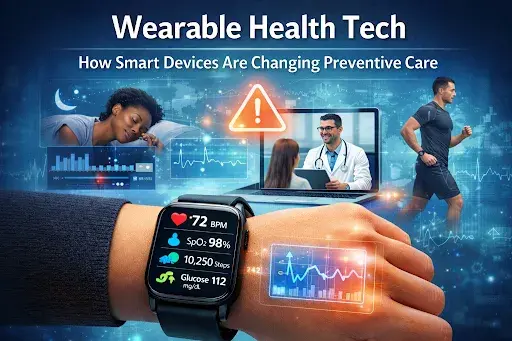
This change is significant because wearables' value is shifting from an informational base for “wellness” to actionable data for health signals. Therefore, there are further opportunities to provide early intervention services and engage with consumers while providing lower costs to provide care.
From tracking to detecting
Initially, the first phases of wearable technology primarily provided descriptive data about health behaviours, such as step counts, sleep duration, and heart rates during exercise. With improved sensor technology, intelligent algorithms, and advanced on-board processing capabilities, modern wearables can now begin identifying anomalies that could indicate risk or disease long before the user may exhibit symptoms.
The fundamental difference is that rather than only tracking user health behaviours, the newer generations of wearables also infer health outcomes. This is significant in real-world terms as it allows a user to identify issues like arrhythmias, irregular patterns of sleep, stress spikes, diabetes risk based on blood sugars, or decreasing levels of oxygen in the blood that could indicate a more serious problem. This ability to provide on-device diagnostics creates significant commercial and clinical opportunities, because it allows real-time analysis of collected data and reduces the time from when data is collected to when actionable insights are generated.
Why on-device matters
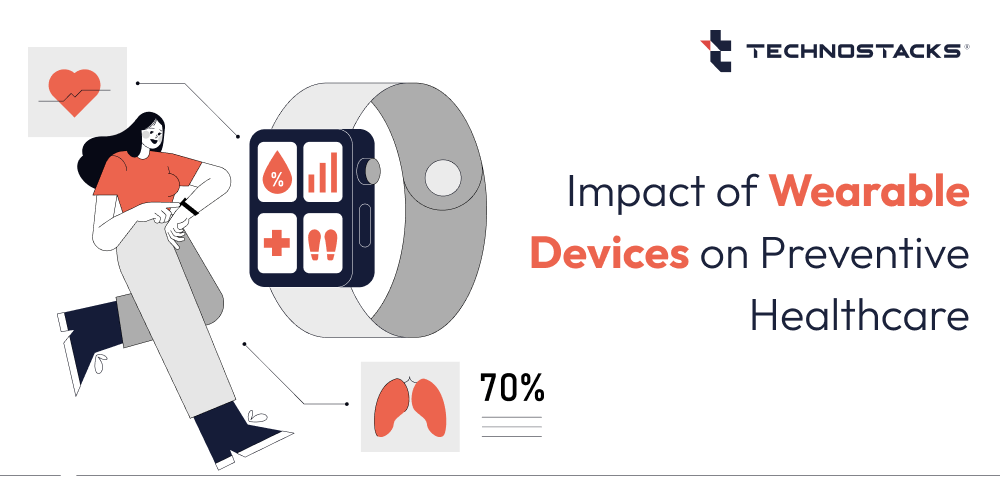
The majority of existing health tech products are cloud reliant, yet the introduction of on-device intelligence is noticeably changing how users interact with their devices. When processing occurs locally, it enables devices to provide quicker responses to users, increases the amount of data that can be protected, and provides devices a limited amount of time to work with poor connectivity. For consumers, this is enabling their experience to feel more immediate and personal. For businesses, it's creating more opportunity to build stronger product stories around privacy, reliability and performance.
This type of on-device intelligence is particularly important in the area of preventive care. When a wearable device identifies potentially harmful trends in real-time, the wearable is able to prompt action while the trend is still within a manageable timeframe. These actions may be prompting rest; generally suggesting that further follow-up occurs; or facilitating an individual to consult with a doctor. The purpose is not to replace doctor's, but rather to create a more expedient process for linking everyday life with medical care.
The business case is getting stronger
Digital-health wearables offer significant advantages for healthcare providers, corporations, and insurance companies as prevention is often less costly than treating patients after they get sick. By detecting warning signs related to cardiovascular disease, diabetes progression, or slow recovery early on, digital health wearables can enable individuals to receive interventions before they incur the cost of hospitalization and/or productivity losses.
Digital-Health Wearable Devices are increasingly being linked to value-based care models where outcomes are equally important as utilization. Digital health wearables can help create a more scalable real-time ecosystem of care in which individuals can engage in preventive behaviour proactively through recognition, time, and location.
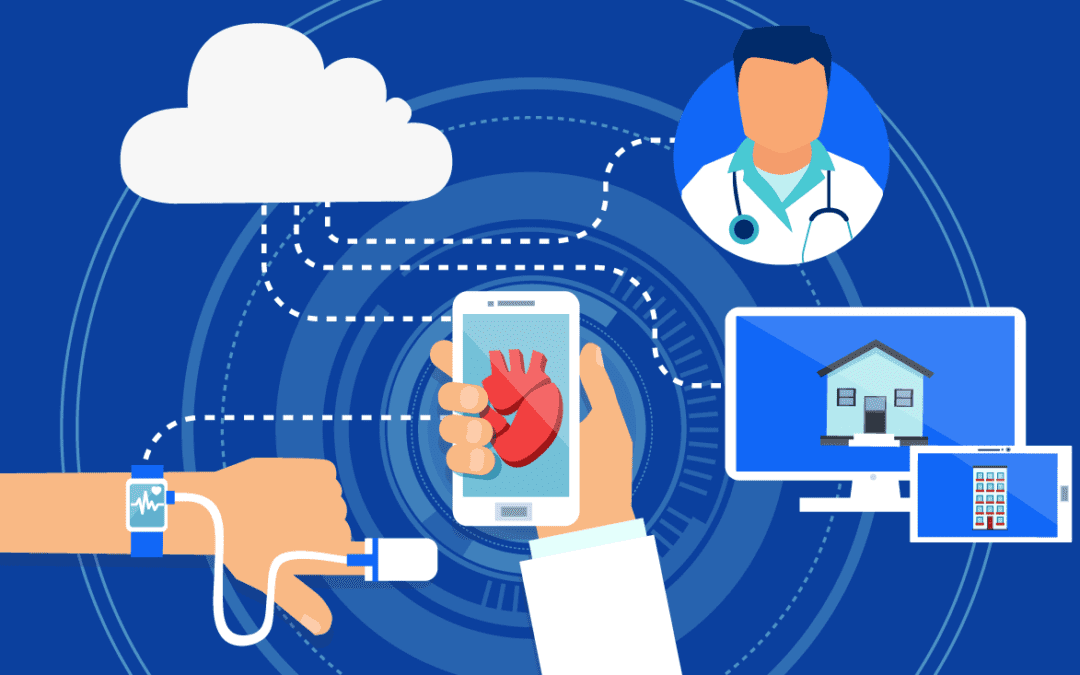
The reason this is happening is that the digital-health wearables market has extended beyond fitness-oriented consumers. Today, health systems need to monitor their patients constantly, insurers are seeking effective methods of risk management, and employers are looking to create a healthier, more robust workforce.
The digital health wearables market provides a unique opportunity for innovation at the point at which consumer technology, medical/healthcare, and population/health systems converge. It is in this convergence where significant opportunities exist today for the growth of the digital-health wearables space.
Privacy and trust are now part of the product
As diagnostic wearables become more common, trust is becoming increasingly important. While users may not mind sharing information about their step counts, consumers are much more cautious about sharing what they consider sensitive medical data. Because of this, local health intelligence is becoming a significant design consideration. Users will feel more secure in their data being kept private if wearables are supplied with as much processing power as possible to process information locally.
While many may view privacy as a marketing tool, it is also an essential element for product adoption. To continue to be used by consumers for preventative information, wearable manufacturers must communicate clearly what kinds of data are being collected, inferred, and conveyed to a medical professional. The more clinical a wearable device is perceived to be, the greater the standard for accuracy, validated testing, and accountability.
What this means for consumers
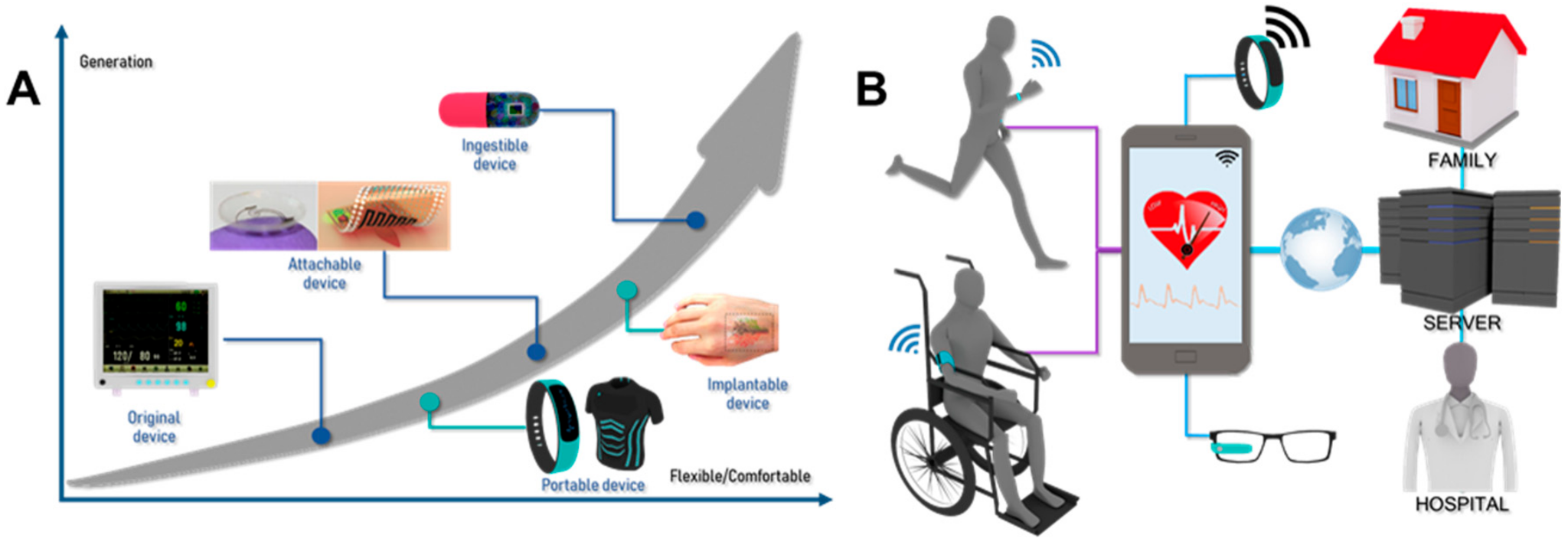
The advantages of using a wearable for all users are clear: earlier alerts for sicknesses, an increase in healthy habits, and increased control over their health. A wearable that can assist with identifying when an individual's stress level is beginning to rise or when they aren't getting enough rest, or when their heart is acting in an irregular manner can affect their sleep patterns, exercise routine, and overall health behaviour in addition to his/her recovery time. Over time, this can lessen the tendency for individuals to "wait until they feel worse" and the like with respect to utilizing health care services.
However, it is important for consumers to remember that while wearable technology is improving significantly, wearables are still considered to be tools for providing information about an individual's health. Therefore, when discussing how and when to utilize a wearable device, it is more effective to provide one to a person with the ability to be alerted to any negative changes in their wellbeing sooner rather than later thereby enabling that person to take preventative measures.
The real change with wearables is that they not only provide smart features, but they also provide a person with timely, constructive, and relevant data when they need it. The advancement of preventative on-device diagnostics is an important milestone in the evolution and development of both health technology as well as the revenue-generating models supporting them.
Latest Posts