
How predictive AI in banking anticipates customer needs before they arise
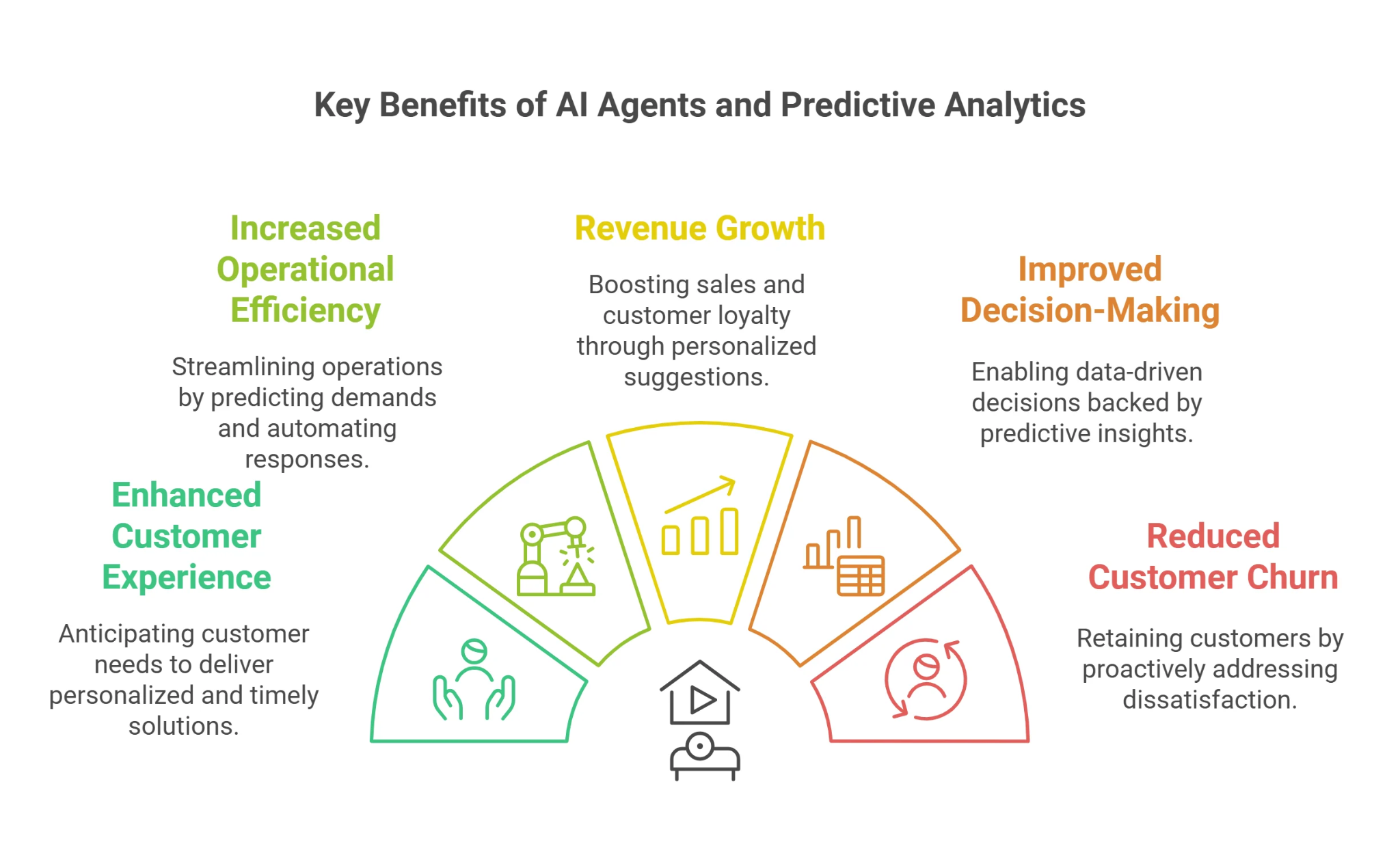
They proactively utilize data patterns to anticipate customers’ needs and provide an anticipatory response. For a customer base that is mostly digital-oriented, banking will begin to provide experiences that feel more like foresight than service.
What Predictive AI Really Does
Predictive artificial intelligence uses past activity, current context and patterns from previous transactions across a wide range of data to make an estimation of what a customer is likely to do in the future. Examples might be predicting cash flow difficulties, determining when a customer is likely to want to increase their credit limit or flagging when a customer is likely to switch to another financial institution. The main benefit of this is not so much that it is fast. More importantly, it is relevant.
This will cause a meaningful change to traditional banking practices since they have traditionally been reactive as when a customer sees something wrong and contacts their bank, they then wait for the issue to be resolved. By having available predictive systems, this entire process is now altered. By having predictive systems available, banks can fix issues before they become an issue for the customer.
Why Customers Notice the Difference
AI models are not typically commended by consumers for a banking institucions' service (AI models training), but consumer will see and respond as if the bank knows them better. An example would be when a banking application alerts its customer of an upcoming charge that may result in an overdraft prior to it occurring; or, when the bank informs its customer they could transfer their funds into a savings account once the salaries are deposited; or when the bank would notify them of an available discounted upgrade on their travel card just prior to taking their vacation.
Predicting the behavior of consumers is one aspect where commercial power originates through greater confidence that there will not be any surprise elements involved when customers are conducting business or experiencing an event. In a highly saturated marketplace where most products appear to be basically identical, having relevance in regard to customer experience is typically what will change an organization's competitive advantage.
The Business Case for Banks
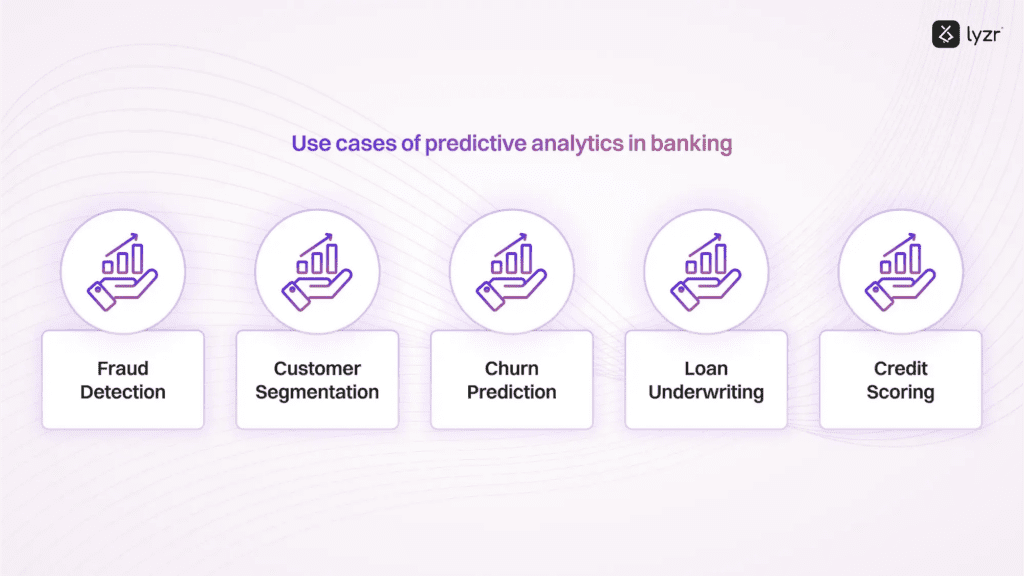
Banks feel an increasing need to increase customer retention, lower costs to service customers, and increase share of wallet while not inconveniencing their customers. Predictive AI can help with resolving customer inquiries before they contact the call center, strategically timing cross-sell opportunities, and identifying customers at risk for churn before they actually close their account.
Additionally, the reason banking personalization is moving from a concept of marketing to a method of operating is that banks can create personalized offerings based on anticipated life events and potential financial distress. This is important for banks because delivering poor-timed offers costs banks money, and delivering irrelevant sales messages also costs banks money. Delivering a well-timed offer can provide value while an ill-timed offer provides no value.
Where the Data Comes From
Having a good idea of how your customers and prospects behave can help you create a better user experience and ultimately improve results.
There are many variables that influence how a customer interacts with a company, including their history with that company, how often they use products or services from that company, and how engaged they are with that company. You should use these data points to create a profile of the user based on what they have done in the past versus what you believe will happen in the future.
For example, let's say there is a customer at a bank who usually spends a lot of money on transportation right before the end of the month. Knowing this could indicate that they are in need of financial assistance and allow the bank to offer them options like overdraft protection, savings automation, and budgeting tools. This type of proactive approach to building relationships through personal experiences can lead to significant improvements in customer results.
The Trust Question
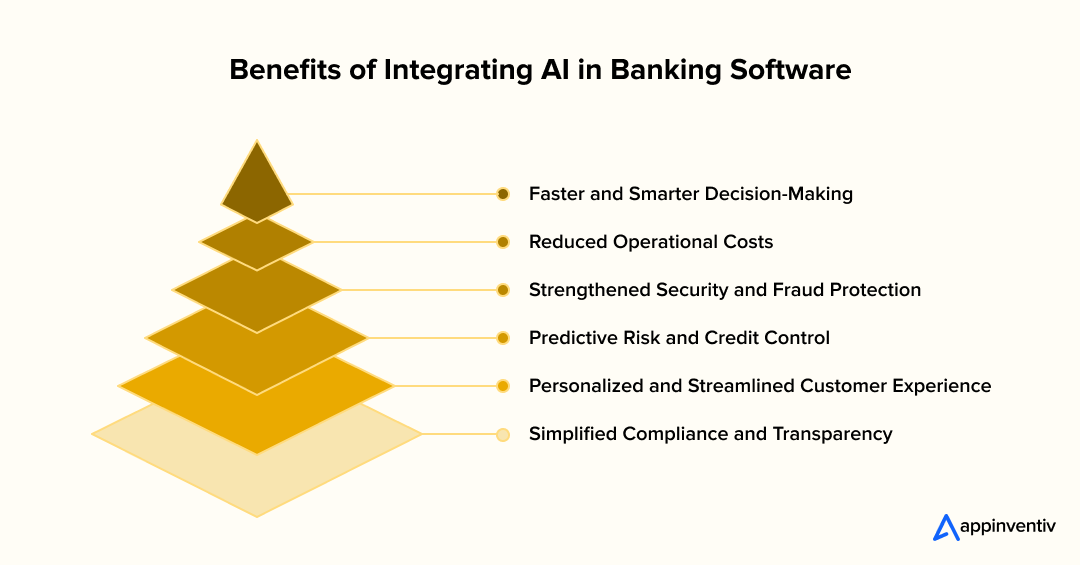
Without trust in the use of their data customers will not be comfortable using any of these technologies. A successful implementation of predictive AI takes a coordinated effort among all stakeholders to ensure that the processes are transparent, secure, and based on customer consent. If the system appears to be creepy, that will quickly erode the relationship with the customer. If the system is perceived to be helpful and trustworthy, then it strengthens the relationship with the customer.
For this reason, governance is as important as the quality of the models. Banks should have clear guidelines related to data governance, including explainability, bias testing, data minimization, and customer consent. As the technologies increase in terms of predictive capability, maintaining the involvement of human beings is critical. Typically, the most successful predictive technologies are those where there is a balance between automation and human judgment.
What Good Looks Like
A good predictive banking system does not just predict what the customer wants but also understands when to act, how to present the information and when not to act at all. The ability of the system to restrain from communicating with the customer makes a big difference between a pleasant experience and one that is irritating.
For example, a bank can alert customers when they are about to exceed a certain amount of spending and give them an early warning or suggestion to transfer their savings after payday without being pushy. The ultimate goal in doing this is to anticipate the customer's needs so they can save time, reduce their anxiety and build their confidence.
The Road Ahead
As banks compete for customer trust through the customer experience, the future will bring the technology of predictive artificial intelligence from being a fascinating technological development to a natural part of our banking world. Customers will begin to expect their banking tools to anticipate their needs rather than just log transactions. To meet this expectation, every bank, from the largest to the newest fintech challenger, will need to evolve its services to provide this level of customer experience.
The main goal is not simply to have a form of banking that looks futuristic; it is to create a type of banking that appears more human. When predictive artificial intelligence is applied appropriately to the banking sector it can remove the friction of doing business with the bank before the customer even needs assistance, all of which is critical to establishing trust, timing and relevance to the customer.
Latest Posts