
How to Spot a Fake Online Review Before You Buy
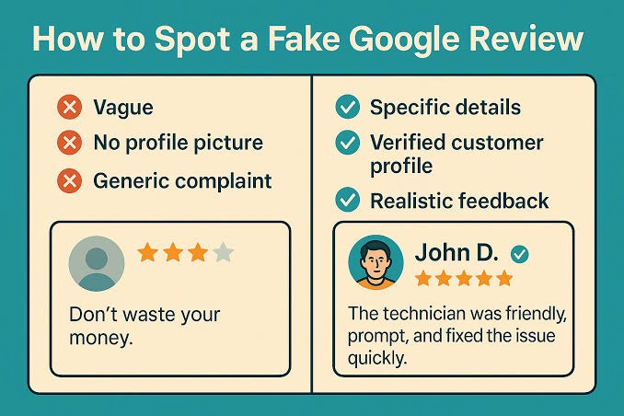
And the people behind them are getting better at it. Still, they slip up in predictable ways, and once you've seen the pattern, you can't unsee it.
Why Anyone Bothers Faking Them
Money, mostly. A product with a high rating gets clicked, trusted and bought, so a handful of fake five-stars can quietly change a seller's income. Some companies pay strangers to write praise, others hand out free products or vouchers in return for glowing words. A few go the other way and flood a rival's page with nasty comments. Software has made all of this cheap, and a hundred reviews can appear in an afternoon. So when you read a rave, it helps to ask who benefits from it.
Step Back and Look at the Shape
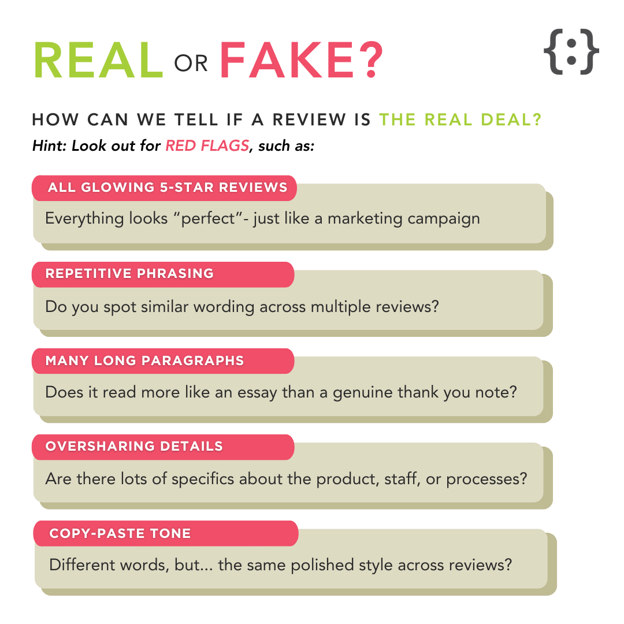
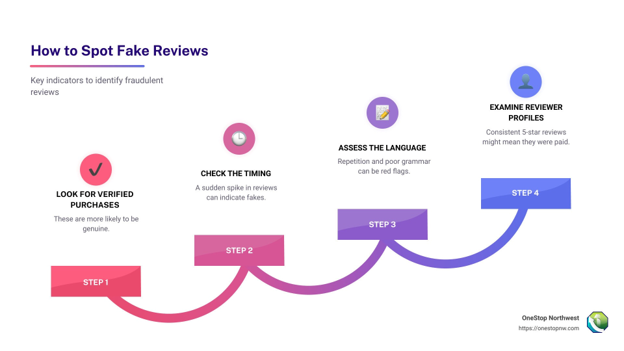
Before you read a single comment, glance at the overall spread. Real products collect a messy mix of fives, fours, a few threes and the odd angry one-star. If nearly everything sits at five stars with almost nothing in between, that's odd. Check the dates too, because a burst of reviews over two or three days is a classic giveaway, especially for something that just launched. Genuine feedback trickles in over weeks and months. It doesn't arrive in a rush, like a crowd running for a bus.
Listen to How They Talk
Fake reviews tend to sound either empty or oddly polished. "Amazing product, highly recommend, fast delivery!" tells you nothing, does it? Others read like they were lifted from the brochure, repeating the full product name and listing features the way the seller would. Then there's the over-excited kind: "life-changing," "best purchase ever," and not one actual detail. Real people are usually smaller and more specific. They'll mention that the strap rubbed after a week, or that the battery lasted about a day and a half.
Spot the Copy-Paste Effect
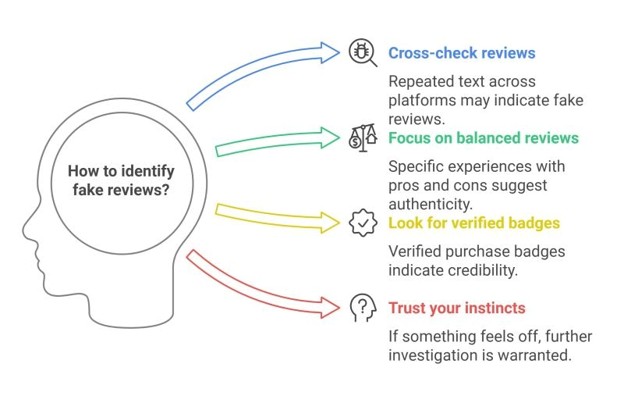
Scroll through ten reviews and see if any of them feel like cousins. Same odd phrase, same sentence rhythm, even the same typo showing up in different accounts. Sometimes several reviews open with the identical line or finish with the same slogan. Every so often you'll find a review praising a totally different product, which usually means the listing was recycled from something else. If you get that "haven't I read this already?" feeling, listen to it. Real customers rarely write the same sentences.
Check Who's Doing the Talking
Click on the reviewer's profile if the site lets you. One review ever, posted yesterday? Suspicious. A pile of five-star ratings across unrelated products in a single day? Even more so. Accounts with no photo, no history and a generic name deserve a raised eyebrow. On the flip side, someone who's reviewed all sorts of things over a couple of years, with a mix of ratings, is probably real. A "verified purchase" badge helps, though it can be gamed, so treat it as one clue and not the whole case.
Hunt in the Middle
Five-star and one-star reviews are the easiest ones to fake, so the truth often hides in the threes and fours. People who leave those tend to say what they liked and what bugged them, which is exactly what you want. If three different reviewers complain that the zip broke or the screen scratches easily, believe them. A product with a few consistent, believable gripes is often safer than one with spotless praise. Perfection, strangely, is a red flag.
Notice the Strings Attached
Some reviewers admit they got the item free or discounted in exchange for an "honest opinion." That doesn't make them liars, but it does tilt things. Sellers also slip cards into parcels offering gift vouchers for five stars, which is a neat way of buying a rating. If a review reads like a sales pitch, it probably started as one. Give those comments less weight and look for the people who paid full price and had no reason to be nice.
Take the Search Beyond the Shop
Never rely on one page. Type the product name into a search engine with words like "problems" or "honest review," and see what comes up on video sites and discussion forums. People write longer, blunter feedback where sellers can't easily control the conversation. If the product is adored on its own page but picked apart everywhere else, that tells you something. Take a minute to check the seller too, including the return policy and how they respond to complaints.
Tools Help, But Trust Your Own Eyes
Browser extensions and review-checking sites can flag odd patterns, and they're worth a try as a second opinion. Just don't treat them as gospel, because they sometimes flag honest reviews and miss clever fakes. Use plain common sense as well. A brand-new gadget with thousands of rave reviews at a suspiciously low price should make you wonder why. Buy from places with fair returns, so a bad pick doesn't become a lost cause. And if a listing looks shady, report it.
If You've Already Been Caught Out
It happens, even to careful shoppers, so don't kick yourself. Check the return window quickly, contact the seller, and keep screenshots of the listing and your order. If they dig in, use the platform's dispute process or ask your payment provider about options. Then leave an honest review of your own, because the next buyer will thank you. You can report the fake ones as well. Every report nudges the marketplace in a slightly better direction.
Final Thoughts
You don't have to turn into a full-time detective to shop smartly. Look at the pattern, read for real detail, check who's writing, and compare with what's said elsewhere. Pay attention to the middle ratings, and be wary of anything that looks flawless. A few extra minutes before you click "buy" can save you money and a fair bit of irritation. And if something feels too good to be true, it usually is.
Frequently Asked Questions
1. How can I tell if a review is fake?
Watch for vague praise, repeated phrases, a sudden burst of five-star ratings and reviewers with no history. Real reviews usually include specific details about using the product.
2. Is a "verified purchase" label always trustworthy?
Not always. It's a helpful signal, but some sellers find ways around it, so check the review's content as well.
3. Should I ignore five-star reviews?
No, just don't rely on them alone. Three and four-star reviews often give a more balanced picture.
4. Can tools detect fake reviews?
Some can flag suspicious patterns, but none are perfect. Use them as a second opinion alongside your own judgement.
5. What should I do if I spot fake reviews?
Report them to the platform, think twice about buying from that seller, and share your own honest experience if you've bought the product.
Latest Posts