
Human Tech Interfaces And The Emergence Of Edge Ai In Daily Consumer Electronics
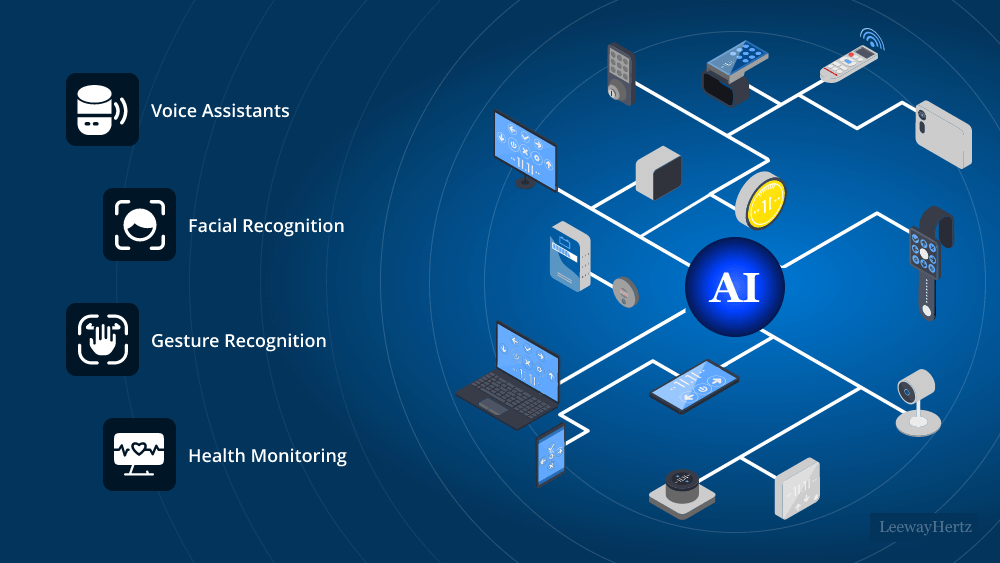
For audiences who were first exposed to digital technology, this represents more than a hardware-only replacement; it reflects an entire redesign of the daily usage of technology with respect to the integration of all of those devices into the user’s daily routines.
Why edge AI matters now
For decades, the hopes of AI in consumer technology have hinged on being able to connect to the internet; however, by relying on the cloud to process data (for example, Google, Amazon) speed is sacrificed, lack of privacy is found, and there will be times when connectivity is lost or doesn’t perform consistently. Edge AI completely flips this all around by having the ability for all data processing to be done on the device itself (ex. local intelligence) which provides instantaneous interaction versus having to wait for a response that would have come through the cloud. And since instant responses are now the norm, this is profoundly important.
This becomes even more significant when considering devices that are used continuously and instinctively by humans, such as smartwatches that are contextually aware in real time; earbuds that change based on their environment without delay; or a home device that acts without having to transmit every command to another server. This new capability brings with it the ability for on-device intelligence to change how we view consumer electronics. They will no longer be a tool that is managed and operated by people, but will instead be a system that anticipates and responds seamlessly.
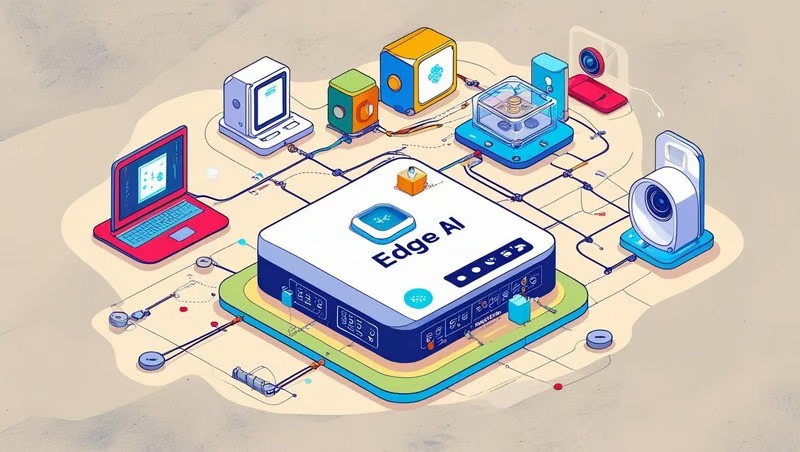
The new shape of human-device interaction
One of the exciting aspects about technology interfaces between humans and technology is that they are becoming increasingly conversational rather than simply mechanical; it’s not enough for consumers now to be impressed because simply they can download applications onto devices or connect to wireless internet services but that the devices themselves understand your rhythm/ tone/ environment and your intent! In essence an interface is no longer just a screen or button – an interface is now recognizing the experience of being ‘understood’.
This is where the concept of ambient computing is important; when A.I.’s exist on-device at the 'edge' (as opposed to A.I.’s being located in a remote data center/cloud) then devices will respond in real time without having to wait for the response time of instructions to/from a cloud and, therefore, will provide much smoother voice commands, personalized responses, and reduce frustration associated with latency delay times from user input process-to-process. Additionally, this provides for more of ‘a companion’ experience in using technology, because your technology now is quietly adapting to you, rather than having to be instructed each time you want to do something.
Why businesses are investing heavily
From a business perspective, edge AI solves several problems at once. It reduces bandwidth needs, improves reliability, and creates stronger privacy positioning. Those are not minor benefits. In consumer electronics, performance and trust often determine whether a product becomes a category leader or fades into the background.
It also opens room for differentiation. If every phone can access the same cloud models, then the real competition shifts to how well a brand designs the experience around those models. That is why companies are emphasizing smart consumer devices that can personalize locally, learn user behavior over time, and deliver value without requiring constant online access. In other words, edge AI is becoming a business moat as much as a technical feature.
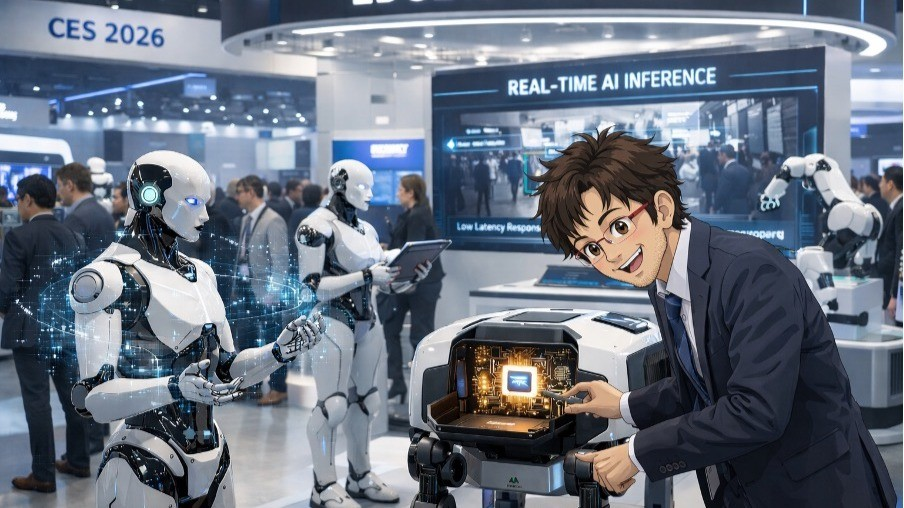
Privacy is part of the product
Consumers are becoming more aware of the trade-off between privacy and convenience. By utilizing Edge AI, consumers can obtain utility from an increased ability to process less of their raw personal data outside the device, resulting in lower levels of tension regarding privacy due to not sharing as much information as they would if they use traditional AI solutions. While this does not eliminate the issues of privacy completely, it does project a more respectful perception of the technology.
This is very important to many consumers located in private residences or using wearable applications; they are likely to give up some of their data in return for receiving a benefit — however; they want to preserve as much control as possible over their data when it is shared with third parties. Therefore, a growing number of customers view Edge AI as a fast and secure way for them to process information while also enabling them to keep their personal data private and, as a result; this is becoming an attractive sales point for both manufacturers and retailers as opposed to just being a technical specification.
Consumer electronics are becoming adaptive
The most remarkable aspect of this change is that devices are becoming capable of adapting to our needs through more humanized interactions rather than robotic ones. A successful interface allows for natural responses; it does not require users to consider how they will be utilized or where data will be processed. This is exactly why many will be surprised about the impact of edge AI on the next generation of consumer products.
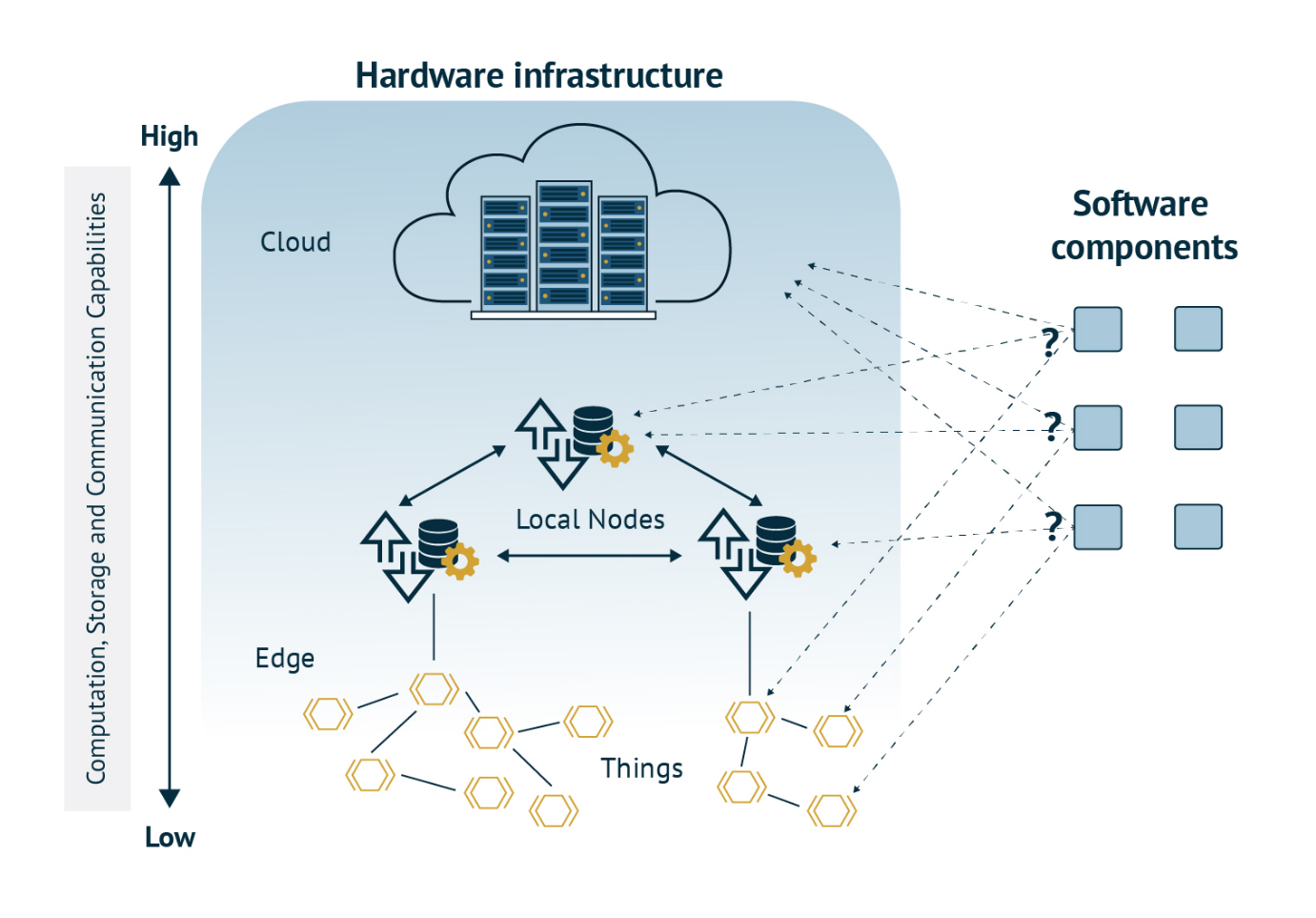
Moving forward, we can expect that devices will be able to recognize user patterns, reduce obstacles and support habitual behaviours in a way that does not require constant user intervention. But the technology does not go away, it just becomes more empathetic to the user. Since empathetic design typically prevails in a crowded marketplace, the future of edge AI will ultimately lead to making electronics feel less like something to maintain and operate and more like something to integrate into your life.
For brands, the rise of edge AI provides an opportunity to create new relationships and establish loyalty through their interfaces. For consumers, the emergence of this technology will provide a connection to electronics that will finally mold into a consumer's daily experiences.
Latest Posts