
Hybrid vs. Fully Electric Which Choice Makes More Sense for Your Wallet in 2026
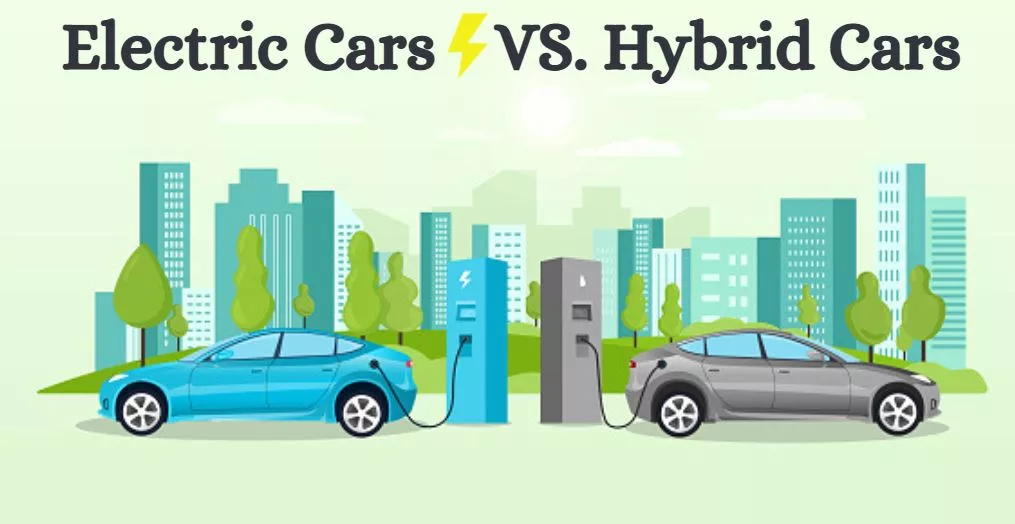
For those drivers that are looking at all the options available to them including fuel cost, tax incentives, resale value and time loss associated with working on your vehicle will ultimately dictate which option is ideal for them based on their annual mileage travelled, how much access they have to a charger and what their taxable situation looks like. Here are the total cost of ownership (TCO) numbers for 5 years for both vehicles so that you can do your own math.
Upfront Costs: The Tax Credit Game-Changer
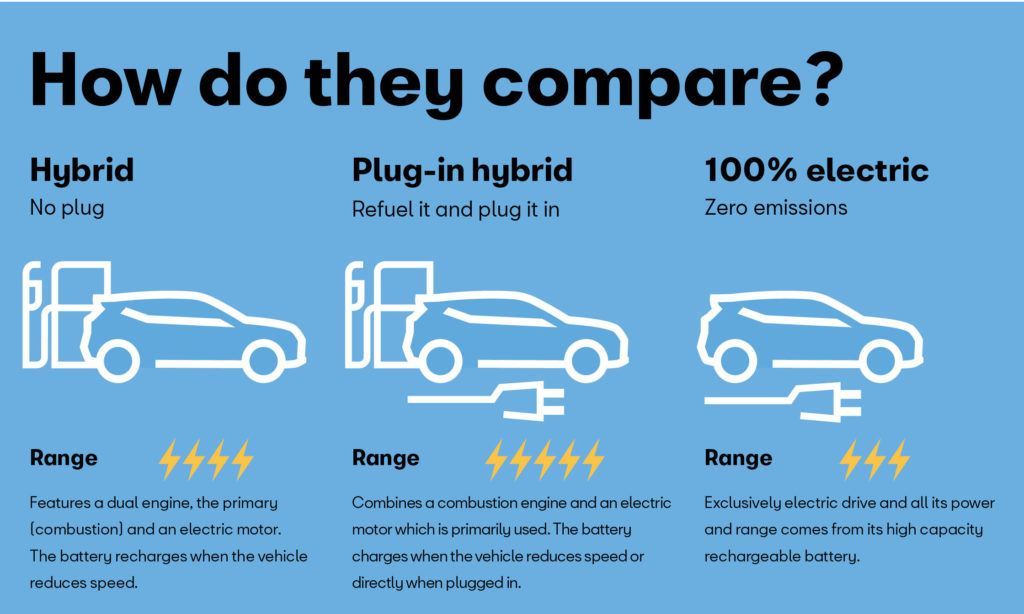
Prices for vehicles have narrowed to much closer to each other. The Toyota RAV4 Prime Plug-in Hybrid Electric Vehicle has a starting price of $44,000. The base average price of the Hyundai Tucson Hybrid is around $33,000, and the Tesla Model Y Long-Range All-Wheel Drive has a base price of about $48,000 . The gap between these vehicles’ prices has decreased over previous years.
Federal tax credits for charging an electric vehicle are generally available to consumers for up to $7,500 on qualifying new electric vehicle purchases made by November 30, 2024; however, some Tesla and Chevrolet models will be excluded from eligibility due to not having met North American’s Battery Sourcing Rules. Plug-In Hybrid Electric Vehicles qualify for up to $3,750 in Federal tax credits if they meet certain criteria; hybrid vehicles are not eligible for any type of Federal tax credit, but the State of California does offer a rebate (between $1,000-$2,000) for qualifying plug-in vehicles.
Leasing is fundamentally different as lessors receive the incentive tax credits directly from the Federal Government, providing their customers with savings on their monthly lease payments. Fleet managers love the math behind leasing. If you offer free home charging options to cash buyers, they can save hundreds or sometimes thousands of dollars when comparing EV prices after all incentives have been applied.
Fuel Costs: Home Charging Is the Deciding Factor
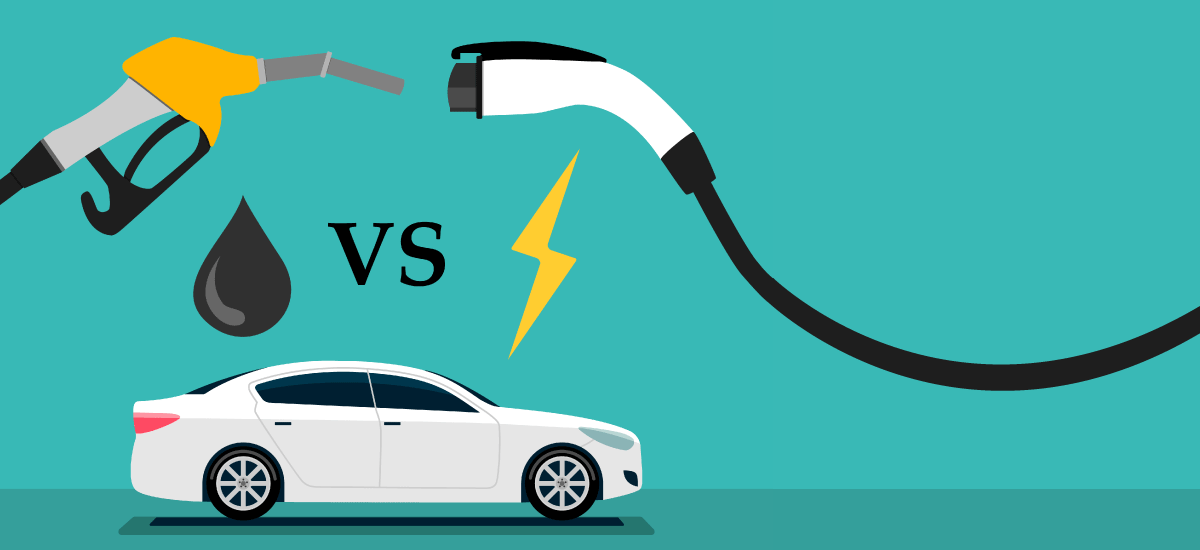
Home Electricity prices (average $0.15/kWh) are considerably lower than the average Fuel price ($3.50/gallon) across the United States. Considering an average 12,000 miles driven per year, the costs for operating a
- Strong Hybrid (RAV4 hybrid - 45 mpg): $1,400
- PHEV (RAV4 Prime - 40 miles of Range on a charge): $900
- EV (Tesla Model Y - home charging; $550 (public, fast charging/hard use) $1200+)
If you do not have home charging, a Hybrid vehicle will save you over $1500 annually compared to the uses of an EV that rely on public charging stations, at $0.45/kWh. Apartment dwellers or travelers may experience a different cost structure than someone living in the suburbs.
Maintenance and Reliability: Hybrids Still Lead
There are many factors that can determine whether or not EVs will generally cost less in the long run. Some factors include: No oil changes, a fewer number of moving parts; however, actual cost data tells a more complicated story.
1. Hybrids/PHEVs will typically cost you between $450-$650/year.
You can expect your vehicle to have its batteries covered under warranty for 10 years (or 150,000 miles). It will not be uncommon to see Toyota hybrids reaching over 250,000 miles.
2. When it comes to EV routine maintenance costs, you can generally expect to spend between $250-$450/year for your vehicles.
However, due to the instantaneous torque produced from electric motors and heavier curb weights typically associated with electric vehicles. You can expect to spend 20%-30% more for replacement tires than you would normally from an internal combustion engine (ICE) vehicle. Furthermore, most will not have to pay for battery replacement during warranty periods.
3. Hybrids provide you with the "fill it, forget it" experience by the time your odometer reads 150,000+ miles.
Resale Value: EVs Closing the Gap Fast
The rate of depreciation for used electric vehicles has stabilized dramatically, with new three-year-old Tesla Model Ys retaining 55% of their value and RAV4 hybrids retaining 60%. While plug-in hybrid electric vehicles (PHEVs) tend to depreciate quicker when owners do not find the electric range of a PHEV to be satisfactory, consumers now expect at least 40+ miles of usable electric driving from a PHEV.
Tax credits for new electric vehicles will continue to indirectly raise the value of used electric vehicles, as the consistent demand for hybrids covers all mileage bands.
Five-Year TCO by Driver Profile
- Low-mileage suburban (8,000 miles/year, home charging): EV saves $3,500–$5,000 (fuel + credits). Model Y total: $38K. RAV4 Hybrid: $42K.
- High-mileage mixed routes (15,000+ miles, apartment): PHEV wins by $1,500–$2,500. RAV4 Prime: $41K. Model Y public charging: $44K.
- No home charging, long commutes: Hybrid cheapest by $3K+. Tucson Hybrid: $37K. Model Y: $41K.
Insurance, Taxes, and Hidden Multipliers
- EV insurance runs 10–25% higher due to repair costs and battery risk. Hybrids match conventional cars.
- EVs face new road use fees ($100–$250 annually) replacing gas taxes. HOV lane access and lower registration (some states) partially offset.
The 2026 Verdict
Hybrids/PHEVs win for 65–75% of drivers: no range anxiety, lower insurance, simplicity through high mileage. Fully electric dominates plugged-in optimizers chasing credits + resale upside.
Your wallet doesn’t care about green halos. It cares about your garage, your commute, and your tax return. Run the numbers this weekend.
Latest Posts