
Is Double Cleansing Really Necessary Dermatologists Weigh In

But if you've ever stood at the sink at midnight, tired and half asleep, you've probably wondered whether it's really worth the effort. Let's look at what the method does, who it helps, and who can happily skip it.
What Double Cleansing Actually Means
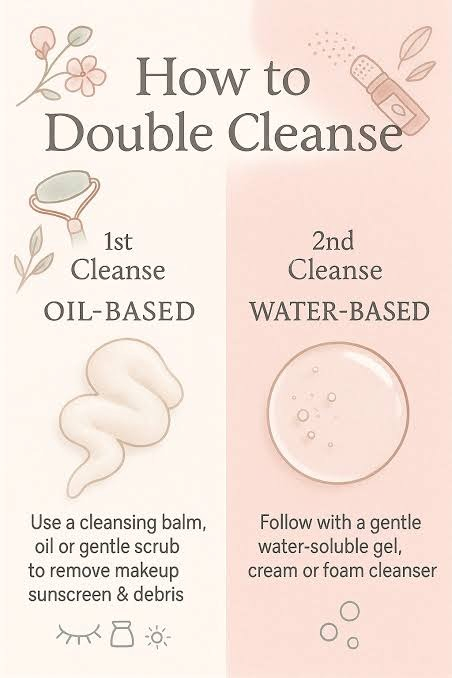
Double cleansing is a two-step wash done in the evening. The first step uses an oil-based product, such as a cleansing oil or balm, to dissolve oil-loving substances on your skin. The second step uses a water-based cleanser, like a gel or foam, to wash away sweat, dirt, and leftover residue. The logic is rooted in basic chemistry, since oil tends to dissolve oil, while water handles everything else. Together, the two steps aim to clear your skin more thoroughly than a single wash might. It's not a trend invented by influencers, but it has certainly been supercharged by them.
Why It Became So Popular
Part of the appeal is that modern skincare has changed. Many people now wear long-lasting makeup, tinted sunscreen, and "waterproof" formulas designed to stay put all day. A quick splash of water or a basic face wash doesn't always take these off completely. Add pollution, sweat, and natural oil production, and it's easy to see why people want a deeper clean. Social media helped too, since the two-step ritual looks satisfying on camera and feels like a proper end-of-day reset. There's also something comforting about slowing down at night, and the routine gives people a small pocket of self-care.
What Dermatologists Generally Say
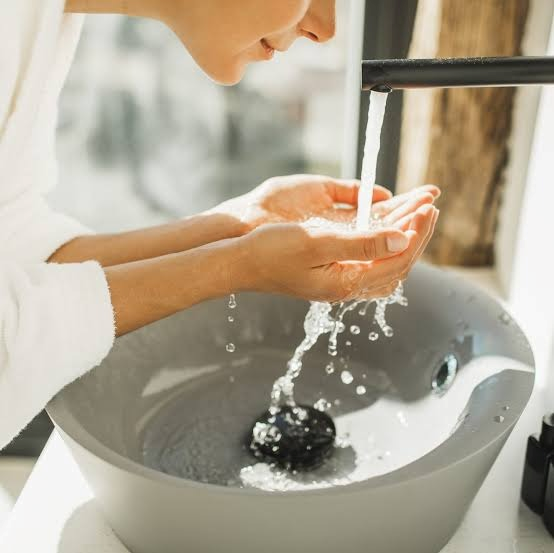
Most dermatologists describe double cleansing as helpful for some people and unnecessary for others. The general view is that it isn't a must-have step for everyone, but it can make sense when your skin has a lot to remove. If you wear heavy makeup, use water-resistant sunscreen, or live in a polluted city, a first cleanse can help break those products down before the second wash. On the other hand, if you wear little or no makeup, a single gentle cleanser is often enough. The consistent message is to listen to your skin rather than follow a trend. More steps don't automatically mean better skin.
Who Can Benefit Most
You're likely to see the biggest payoff if you check any of these boxes. Think of wearing foundation, waterproof mascara, or long-wear lip colour on most days. Or maybe you apply mineral or water-resistant sunscreen daily, which can cling stubbornly to the skin. Oily and acne-prone skin types sometimes like the method too, because leftover oil and product can contribute to clogged pores. If your skin feels coated or looks dull at the end of the day, the first cleanse can make a noticeable difference. Even then, the key is choosing gentle products that don't leave your face tight or irritated.

Who Can Probably Skip It
If your day is mostly spent indoors with little or no makeup, double cleansing might be more than you need. People with dry, sensitive, or reactive skin are often better off keeping things simple, since extra washing can strip the skin's natural barrier. Signs of overdoing it include tightness, redness, stinging, or flaky patches after cleansing. Using harsh products twice a day is a common reason people end up with irritated skin. In these cases, one mild cleanser at night, and a quick rinse or gentle wash in the morning, is usually plenty. Skipping the extra step won't ruin your skin.
The Risk of Over-Cleansing
Your skin has a natural protective barrier that keeps moisture in and irritants out. Washing too aggressively can weaken it, leaving your skin dry, sensitive, or more prone to breakouts. This is the catch with double cleansing, since twice the washing means twice the chance of overdoing it. Hot water, scrubbing, and strong foaming cleansers can all make the problem worse. Many people also fall into the trap of doing it in the morning as well, which is rarely necessary. If your skin starts feeling uncomfortable, it's a clear sign to scale back.
How to Double Cleanse the Right Way
If you decide to try it, keep the process gentle and unhurried. Start with dry hands and dry skin, massaging a small amount of cleansing oil or balm over your face for about a minute. Add a little water to emulsify it, then rinse thoroughly with lukewarm water. Follow with a mild, pH-friendly water-based cleanser, and pat your skin dry with a clean towel. Finish with your usual moisturiser while the skin is still slightly damp. Do this at night only, and consider using just the second step on days when you've worn no makeup or sunscreen.
Final Thoughts
Double cleansing isn't essential for everyone, but it can be a smart move if your daily routine leaves a lot on your skin. If you wear makeup and sunscreen regularly, the two-step method can make your evening cleanse more thorough. If your skin is dry, sensitive, or bare most days, a single gentle cleanse will likely do the job just fine. The best skincare routine is the one that fits your skin, your lifestyle, and your patience. When in doubt, a quick chat with a dermatologist can help you decide what your skin actually needs.
Frequently Asked Questions
1. Is double cleansing necessary for everyone?
No. It's most useful if you wear makeup or water-resistant sunscreen, or if you live in a polluted area. If you wear little or nothing on your skin, one gentle cleanse is often enough.
2. How often should I double cleanse?
Once a day, in the evening, is generally plenty. You don't need to repeat it in the morning, and on lighter days you can use just the second cleanser.
3. Can double cleansing damage my skin?
It can if you use harsh products, hot water, or heavy scrubbing. Watch for tightness, redness, or stinging, and scale back if you notice them.
4. Is double cleansing good for acne-prone skin?
It can help some people by removing excess oil and leftover product that may clog pores. Choose non-comedogenic, gentle formulas, and check with a dermatologist if breakouts persist.
5. Can I use micellar water instead of an oil cleanser?
Yes, for many people it works as a first step, especially for light makeup. Follow it with a water-based cleanser to remove any residue.
Latest Posts