
Is Your Savings Account Losing to Inflation 5 Smarter Places for Idle Cash
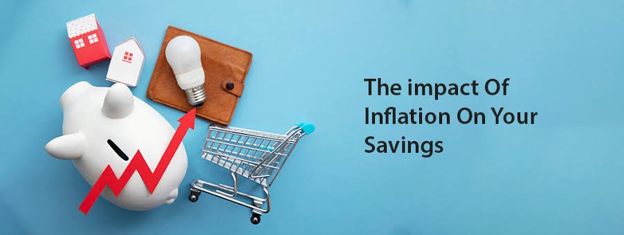
Let's look at how big the gap really is and where idle cash can work harder.
The Gap Between Interest and Prices
Savings accounts exist for convenience and safety, not growth. Most pay interest in the low single digits, and that figure rarely keeps pace with rising costs. Consumer prices in India were up about 5.5% over the year to September 2026, and food inflation came in close to 7.8%. Onion prices alone have reportedly doubled. If your account pays noticeably less than that, your money is shrinking in real terms, even as the balance looks the same. That doesn't mean you should empty your account, only that you shouldn't leave everything in it.
First, Keep a Cushion Where It Belongs
Before moving anything, sort out what truly needs to stay put. Your emergency fund, usually several months of essential expenses, should be easy to reach and free from market risk. A savings account or a liquid option is perfectly right for that. The problem isn't keeping some cash handy, it's keeping far more than you'll need for months on end. A simple split helps: money you may need soon stays accessible, and the rest gets a job. Once that line is clear, the choices below make more sense.
1. Fixed Deposits, Ideally in a Ladder
Fixed deposits are the old reliable, and there's no shame in that. You lock money for a set period and get a known return, which usually beats a savings account comfortably. The catch is that breaking an FD early can cost you a penalty, and the interest is taxable. A neat trick is laddering, where you split your money across different tenures, say six months, one year and two years. That way something matures regularly, and you aren't stuck if rates change. FDs suit people who want certainty more than excitement.
2. Liquid and Ultra-Short Debt Funds
If you want your money reachable within a day or two but still earning more than a savings account, liquid funds are worth a look. They invest in very short-term instruments, so the ups and downs tend to be mild. They're often used for money meant for the next few months, like a tax bill, a planned purchase or a parked bonus. Returns aren't guaranteed, and they're not entirely risk-free, so read the fund's details before you invest. Taxation also differs from FDs, which is worth checking with a professional. Think of these as a smarter waiting room for cash.
3. Government Small Savings Schemes
Schemes like the Public Provident Fund, National Savings Certificate and Sukanya Samriddhi Yojana carry sovereign backing, which many people find reassuring. Rates are reviewed by the government periodically, so check the current figure instead of trusting an old number. Each comes with its own lock-in, rules and eligibility. PPF, for instance, suits long-term goals like retirement, but it isn't meant for money you might need next year. These schemes reward patience and discipline more than cleverness. They fit conservative savers who like predictable, government-backed options.

4. Index Funds and Equity, for the Long Haul
For money you won't touch for five years or more, equity has historically offered the best chance of beating inflation. Index funds are a simple entry point, since they track a broad market index at a low cost. The honest warning is that markets swing, sometimes violently, and you can see losses in the short term. That's why equity should never hold money you need soon or your emergency fund. Investing gradually through a SIP, instead of all at once, can take the edge off the nerves. Start small, stay consistent, and treat it as a marathon.
5. A Little Gold, in a Convenient Form
Gold has always been a popular choice for investors, especially during inflation and uncertain times. While it does not generate regular income, it can help preserve wealth over the long term and add some balance to an investment portfolio. Gold ETFs and digital gold offer convenient ways to invest without worrying about storage or jewellery-making charges, although they come with their own costs and limitations.
Since gold prices can fluctuate significantly, it is better to keep your investment in gold limited rather than putting too much money into it. Think of gold as a way to diversify your portfolio, not as your main investment. The idea is to invest in gold for stability and balance, not to make quick profits.
Matching the Option to the Timeline
A helpful way to choose is by asking when you'll need the money. Needed within a few months? Stick to savings, liquid funds or short FDs. Needed in one to three years? FDs, small savings schemes or conservative debt options make sense. Not needed for five years or more? You can consider equity, with your risk comfort as the guide. Mixing a few of these is perfectly normal, and most sensible plans do. The goal isn't the highest return, it's the right tool for each purpose.
Mistakes People Make With Idle Cash
The commonest mistake is chasing returns without asking about risk. Friends boasting about a hot tip are not a financial plan, and "guaranteed high returns" should make you suspicious. Another is putting short-term money into volatile assets, then panicking when prices dip. Some people ignore taxes, which can eat into returns more than they expect. Others never review their setup, leaving money in the same account for years out of habit. A little attention once or twice a year goes a long way.
Final Thoughts
Your savings account isn't your enemy, but it isn't meant to do all the heavy lifting either. Keep what you need for emergencies and near-term plans somewhere safe and reachable, and give the rest a purpose. Spread it across a few sensible options, match each to its timeline, and don't be tempted by anything that sounds too good to be true. Rates and rules change, so check current details before you act. If you're unsure, a qualified financial adviser can help you build a plan around your own situation. This article is for general information and isn't financial advice.
Frequently Asked Questions
1. Is my savings account really losing money to inflation?
If the interest you earn is lower than the inflation rate, your money's buying power shrinks over time. The balance may rise slightly, but it purchases less than before.
2. How much should I keep in my savings account?
Enough for your emergency fund and near-term expenses, commonly several months of essentials. Money beyond that can often be put to work in other options that match your timeline.
3. Are fixed deposits better than savings accounts?
They usually offer higher, predictable interest, but your money is locked for a period and early withdrawal may attract a penalty. Savings accounts offer easy access at lower returns.
4. Is it safe to invest idle cash in mutual funds?
It depends on the type. Liquid funds are generally low-risk, while equity funds can swing sharply. Match the fund to your time horizon and read the risks first.
5. Should I put all my spare cash into gold?
Probably not. Gold can help diversify, but it doesn't earn interest and can be volatile, so most people keep it as a smaller part of their savings.
Latest Posts