
K-Beauty Fatigue Why the 10-Step Routine Is Losing Its Grip
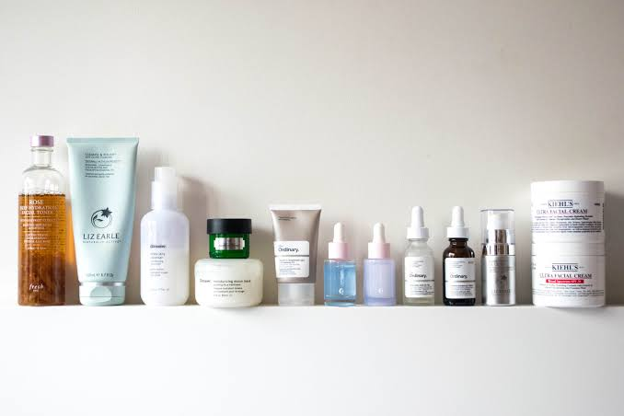
A crowded bathroom shelf filled with a double cleanser, an essence, an ampoule, a serum and a sheet mask, moisturizer along the right fit of a sunscreen wasn’t an exaggeration, but simply the baseline ritual that is necessary to maintain yourself. But that era is now slowly coming to and end, and those very individuals who regularly abided with their 10 step K-beauty routine are now simply walking away from it, exhausted from their skin burnouts that have done more harm than good over time.
Table of Contents
1. What's Actually Happening
2. The Numbers Behind the Shift
3. Why People Burned Out
4. What Dermatologists Are Actually Saying
5. The World of Skinimalism
6. 10-Step vs. Skinimalism: Side by Side
7. What K-Beauty Itself Is Doing About It
8. How to Actually Simplify Without Losing Results
9. Conclusion
What's Actually Happening
The newest wave in the beauty industry goes by a simple name - skinimalism, a blend of sin and minimalism that is set to become the definitive modern approach to skincare in 2026. Based on a simple core foundation, the approach focuses on prioritizing only three to five vital steps, and using multi-benefit products that are quality and impactful additions to the routine while being focused on the idea that more product does not equate to better results. And the wave is so significant, that outlets who solely focused on covering Korean beauty industry practice and products have now begun claiming that those same routines - are now officially retired. A significant and notable reversal on a trend that has over the past decade, focused on redefining and shaping what skincare means for the newer generations.
The Numbers Behind the Shift
And the burnout or exhaustion from the extensive routines isn’t simply a claim, but an actual evidential outcome that is supported with data. A Statista survey recently found that the average time individuals spend on their morning beauty routine had drastically reduced from 22 minutes in 2020 to merely 14 minutes in 2025, a sharp decline in a category that has instead focused on pushing towards the opposite direction to make the lengthy process the new norm. Industry analysts describe this shift as a "Korean skincare fatigue," while claiming that while the K-Beauty practices aren’t entirely disappearing but rather simply, consumers are becoming more conscious and independent with choices of their routine and trends that are incorporated into their daily lives.
Why People Burned Out
The shift isn’t simply based on purely annoyance or irritation from extensive processes, but rather based on real, practical friction that has persisted over years of maximalist routines. The shift is based on various reasons that include:
1. Cost fatigue: The extensive 10-step routine of K-Beauty also involves ten separate products that need constant repurchasing and could quickly rack up significant numbers in repetitive and collective purchases.
2. Time fatigue: At the emergence of the trend, and with the younger audiences, the possibility of investing time as long as 20-plus minutes was feasible, but that routine quickly became difficult to manage, especially every day as soon as work-life began again.
3. Skin fatigue: Dermatologists and researchers have also documented significant consequences of over-layering on the skin ranging from barrier damage to irritation from active ingredients and constant over-exfoliation leading to use of multiple products at once.
4. Environmental awareness: Within consumers, an alarming sense of awareness towards packaging waste and logistical impact through their consumption has also become a driving factor towards reducing extensive routines from ten-bottles to two-three that can provide similar impact without environmental damage.
What Dermatologists Are Actually Saying
Clinical research has also begun to support the lived experiences and claims of consumers with a May 2026 study published in the journal Clinical, Cosmetic and Investigational Dermatology reporting evidence supporting the routine use of elaborate, multi-step regimens on otherwise healthy skin "remains limited", a direct challenge on the assumptions that more steps actually result in better outcomes.
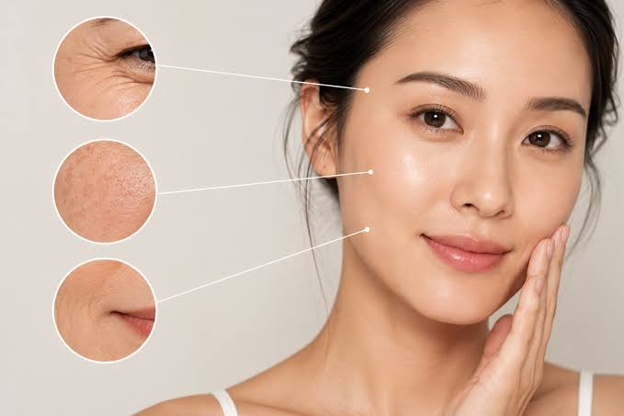
Dermatologist Dr. Zoe Draelos, as cited in the research study, also confirmed that using more than three to four products on the skin could actually lead to risk of skin reactions and interactions between the ingredients impacting the skin in different ways than estimated. The foundational reason is simple, repetitive and deep application of acids, retinoids and other such ingredients strip the skin of their natural moisture barrier, weakening it and making the skin drier, more inflamed and prone to breakouts, while lessening glow, which the routine was supposed to deliver in the first place.
The World of Skinimalism
Skinimalism, the newest wave of the beauty industry, isn't necessarily a rejection of skincare but rather a more balanced approach towards its recent practices. The idea of skinimalism revolves around multi-functional products, where the functions of a moisturizer, soothing treatments and SPF protection are all combined into a single step. Aligning with the larger trends of doing less and getting more, the practice requires carefully selected products that deserve a spot rightfully instead of simply being included by name or trends. Instead of entirely disbanding the notion of layering, the trend simply brings a new pivot and refinement demanding choice of skincare similar to that of a balanced diet, where balance is achieved not by random additions but rather a foundation that is thorough and concrete in itself.
10-Step vs. Skinimalism: Side by Side
|
Classic 10-Step K-Beauty |
Skinimalism |
|
|
Number of steps |
7–10 |
3–5 |
|
Average routine time |
~20+ minutes |
Considerably shorter, often under 10 minutes |
|
Product philosophy |
Layered, single-purpose products |
Multi-functional, dual/triple-purpose formulas |
|
Risk profile |
Higher risk of barrier damage from over-layering |
Lower risk; fewer conflicting actives |
|
Cost |
Higher, more products to repurchase |
Lower, fewer total purchases |
|
Underlying goal |
Comprehensive coverage of every skin need |
Targeted efficiency; each step multi-tasks |
How to Actually Simplify Without Losing Results
When pivoting from a heavy routine into one that is based on the idea of skinimalism, it is crucial to follow a similar structure but to take a smarter approach towards it.
1. Take inventory first: Lay out everything currently in your routine before cutting anything, so you can see what's actually duplicating another product's job.
2. Identify genuine multi-taskers: Look for products that combine hydration, soothing ingredients, and protection into a single formula rather than three separate ones.
3. Cut duplicated actives: If two products in your routine both contain strong exfoliants or retinoids, that's a barrier-damage risk waiting to happen, not extra effectiveness.
4. Transition gradually: A shift into reduced products requires a simplified routine that is steadily transitioned into, rather than all at once as it provides the time to adjust to the new model.
5. Keep the essentials non-negotiable: Cleanser, moisturizer, and SPF remain the widely agreed-upon foundation, regardless of how many extra steps get cut around them.
Conclusion
K-Beauty’s 10 step routine isn’t being replaced by Skinimalism because the approach was wrong or the products and range of steps were incorrect, in fact majority of them brought significant results, but on the longer run, they simply could not maintain the stability and sustenance of its extensive approach. Skinimalism also does not present an entirely oppositional idea to K-beauty belief, but rather a correction on its practise driven by the industry and its consumer preferences that simply began to believe that complexion and healthy skin does not require a twenty-minute routine or a range of products, but simply quality products and balanced routines that are performed effortlessly and consistently.
Latest Posts