
Liquid Exfoliating Toners vs. Gentle Enzymatic Cleansers Comparing Chemical Resurfacing Strength, Skin Barrier Tolerance, and Daily Pore Clarity
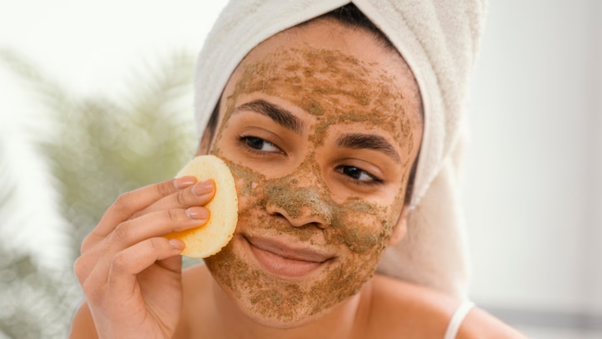
And this has led to the development of a whole category of liquids and gels, with various enriching ingredients and promises of a smoother skin, and while consumers know better than relying on advertised claims and promises, they often fail to understand what these products are doing to their skin barrier and what should they actually choose.
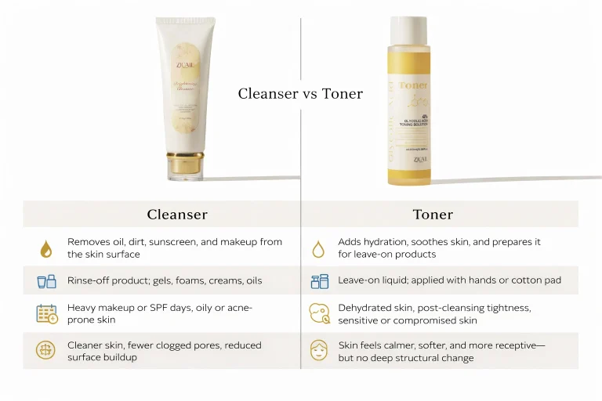
Amongst the most marketed and commonly used products in exfoliation, acid-based toners and enzymatic cleansers have quickly established themselves as the effective approach to exfoliation and skincare, but they both take quite unique and contrasting approaches to achieve their targets. While the two have quietly gained their reputation through tested results, they aren't comparatively better or worse than each other, but rather specifically tailored to cater to specific problems and choosing the right one based on your skin type and goal is vital for the perfect skincare!
Table of Contents
- Quick Comparison
- How Each One Actually Works
- Resurfacing Strength: Which Does More
- Skin Barrier Tolerance
- Daily Pore Clarity
- Which One Fits Your Skin
- Can You Use Both?
- Conclusion
Quick Comparison
|
Feature |
Liquid Exfoliating Toner |
Enzymatic Cleanser |
|
Active mechanism |
AHA/BHA acids (glycolic, lactic, salicylic) |
Fruit-derived enzymes (papain, bromelain, pumpkin) |
|
How it works |
Dissolves bonds between dead skin cells |
Breaks down keratin proteins on skin's surface |
|
Typical pH |
Low (3–4), acidic |
Closer to skin-neutral or formulated as a cleanser |
|
Contact time |
Left on skin (leave-on step) |
Usually rinsed off within minutes |
|
Resurfacing strength |
Moderate to strong |
Mild |
|
Barrier tolerance |
Lower — can sting or irritate sensitive skin |
Higher — generally well tolerated |
|
Best frequency |
2–4x per week typically |
Can often be used daily |
|
Ideal skin type |
Normal, oily, acne-prone, exfoliation-experienced |
Sensitive, reactive, rosacea-prone, exfoliation-beginner |
How Each One Actually Works
A liquid exfoliation toner takes a chemically focused approach using two major acidic families to obtain deeper, clearer results. The AHAs (Alpha-hydroxy acids like glycolic and lactic acid) are water-soluble acids that focus on working along the skin surface by losing the cellular bonds and enabling removal of dead skin cells. The BHAs (Beta-hydroxy acids which is primarily salicylic acid) are oil-soluble which enables them to penetrate pores, making them an ideal choice for dealing with blackheads and clogged pores. For these acids to work freely, most exfoliating toners are formulated to maintain a low pH, which surely enhances the effectiveness of exfoliation but also results in damage with over-use or on sensitive and compromised skins.
An enzymatic cleanser works differently. Proteolytic enzymes, most commonly derived from papaya (papain), pineapple (bromelain), or pumpkin, focus on breaking down the keratin proteins found on the surface of dead skin cells, dissolving those bonds and taking the dead cells away. In this mechanism, the enzymes specifically target the proteins of the cell and do not alter the skin pH, enabling them to be gentle and limited to impact on the skin surface while also limiting their depth of penetration, often perceived as their advantage and disadvantage at the same time.
Resurfacing Strength: Which Does More
If you’re choosing your exfoliation method on the basis of achieving a more visible and measurable outcome, a smoother texture or faded post-acne marks, acid toners might be a quicker and more effective choice. Acid toners often consist of Glycolic acid which has been documented as the finest ingredient to improve skin texture and tone over time while Salicylic acid's ability to penetrate into pores enables a prompt relief from blackheads, along with surface congestion that enzymes simply can’t match.
Enzymatic cleansers undergo a more subtle and supportive route. Since most enzymatic cleansers are rinsed off quickly, their contact with the skin is soft and this enforces the enzymes to work only on the surface layer. This results in a mildly cleansed skin, which looks brighter and smoother immediately after being rinsed off and cleanses the skin from damage and congested pores. However, enzymes often are unable to produce the exact effect of acids, and thus might need to be coupled into a routine with deeper exfoliation methods for the occasional cleansing.
Skin Barrier Tolerance
Now this is where many would argue, enzymatic cleanser takes clear edge, and precisely also why they’ve become the top recommendation by dermatologists for people with compromised or reactive skins to begin their skincare journey. Acid toners are designed to lower the skin’s surface pH and actively work to loosen cellular bonds. An effective approach but also one that can easily strain the skin barrier through overuse, being layered with other actives or when applied to skin that is already headline (from sunburn, loose cellular bonds, use of retinoids, etc). And it’s quite easy to overuse it too, leaving individuals with an over-exfoliated skin which may appear as stinging, redness, a tight or shiny appearance with increased breakouts, raising a need for caution for regular or untested use.
Enzymatic cleansers are designed to be rinsed off quickly, limiting the contact time as well as the depth of cleaning across the skin barriers. They also don’t change the skin pH and these characteristics allow them to make a more gentler, meaningful and safe impact on the skin barrier. This has also made enzymatic cleansers an ideal choice for individuals with sensitive skin, rosacea, eczema-prone skin, or those recovering from over-exfoliation in the first place.
Daily Pore Clarity
Pore clarity or the immediate feeling of clean, unclogged pores is precisely where you’ll witness the most difference in the two product’s effectiveness and impact on your skin. For oily and acne-prone skin, a BHA-based toner used a few times a week generally delivers more visible improvement in pore appearance, since salicylic acid's oil solubility lets it actually get into the pore and clear out the debris and excess sebum that make pores look enlarged in the first place.
For normal-to-dry or sensitive skin, daily enzymatic cleansing can deliver a comparable sense of clarity without the irritation risk, precisely because it's removing surface buildup on a more frequent basis rather than working more aggressively less often. It’s important to note that neither of the two approaches are universally "better" for pore appearance, but the choice depends heavily on whether your specific pore congestion is oil-driven (favors BHA) or simply surface dead-skin buildup (enzymes may be sufficient.
Which One Fits Your Skin
The test is really simple. If your skin tolerates actives well, regularly deals with oiliness, blackheads or textural issues and is currently not damaged by previous products, a liquid exfoliating toner being used two to four times in the initial weeks will be beneficial for efficient results. On the other hand, if your skin is more on the sensitive, reaction and rosacea-prone region, or perhaps hasn’t previously witnessed chemical exfoliation, an enzymatic cleanser might be the safer starting point, and perhaps even a more suitable long-term choice than being a stepping stone for the switch to acidic exfoliating toners.
Can You Use Both?
Yes, it’s possible to use both and various well-constructed routines utilize this strategy - using an enzymatic cleanser on most days for regular gentle maintenance, while switching to exfoliating acid toners for designated days of exfoliation per week. It’s vital to ensure that you don’t end up stacking one along the other for greater results, and remain vigilant for early sign of over-exfoliation (persistent redness, stinging with products that didn't used to sting, a compromised or tight feeling) to ensure maintaining your skin health over everything else.
Conclusion
The comparison between exfoliating toners and enzymatic cleaners isn’t necessarily about which one you should be choosing, but about what your skin can handle on a regular basis, regardless of how advanced the other might be. Acid toners tend to work faster and show deeper recovery and protection but often also end up irritating your skin if overused. Enzymatic cleaners take a more steady and gentle approach showing steady results which has made them a popular choice amongst those who have already suffered from the strong routines. When it comes to skincare, the best approach isn’t the one with the fastest result or the most aggressive and rich ingredients, but what your skin can tolerate consistently, week after week, without being damaged with every application.
Latest Posts