
Muscle as Medicine Why Sarcopenia Prevention Is the Most Important Health Goal of 2026
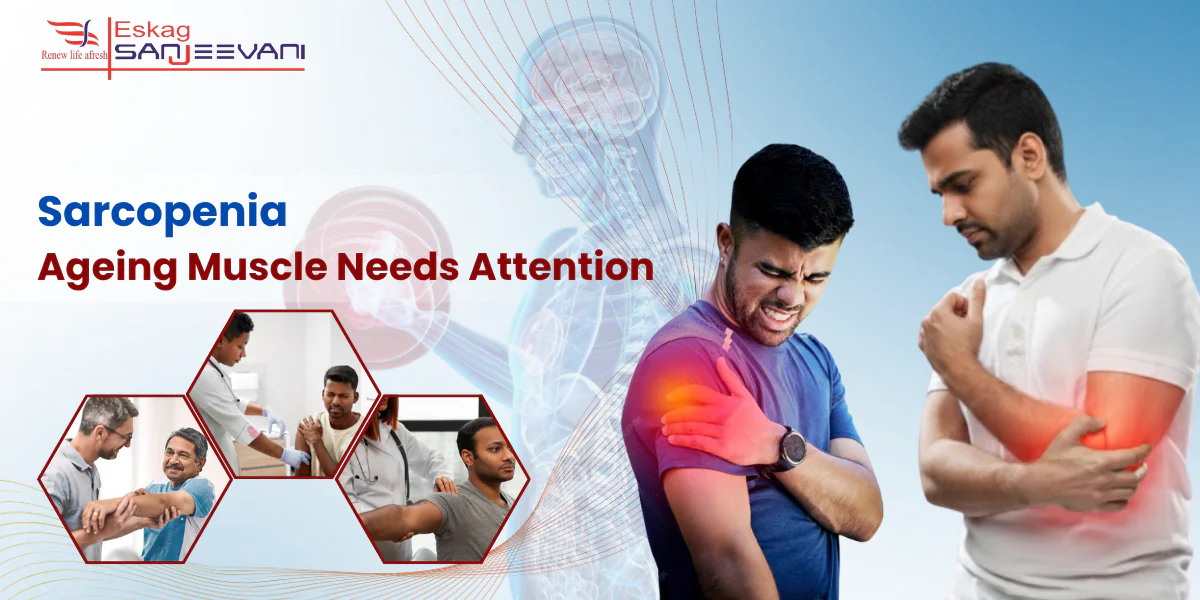
The Sarcopenia Math No One Wants to Face
Loss of muscle begins to accelerate after age thirty, but the diagnosis of sarcopenia as an age-related cause begins about age sixty, with strength declining by three to five percent each year. By age seventy, simple tasks, such as carrying groceries, may put you at risk for falling. The economic impact of sarcopenic related falls and frailty costs more than fifty billion dollars annually in healthcare costs for the developed world and is expected to occur similarly in emerging markets as they continue to grow older.
For India, the weight of these statistics is even more personal. With an estimated 150 million people over the age of 60 by 2030, urban professionals can see their parents struggling with steps while realising that their sedentary jobs put them in a similar situation as their parents. This is unlike cardiovascular disease where there are a clear signs; muscle loss is silent until you experience a fracture or fall requiring costly intervention.
Why Muscle Matters More Than Cardio for Longevity
- and HIIT are the current rage, but resistance training provides a much better return on investment as we age. Research consistently shows that strength training can help preserve metabolic health, keep bone density high, improve insulin sensitivity and support cognitive function compared to cardio alone. Picking up heavy objects sends signals to the body to keep its muscles strong despite their natural decline.
People who understand how compound interest works in business see that muscle has the same effect as compound interest – each decade of successful maintenance will add function over the long term (e.g., a 45-year-old executive who starts to squat today is going to have a much different trajectory for years of life than someone who runs marathons).
The Corporate Wellness Pivot: Sarcopenia as ROI
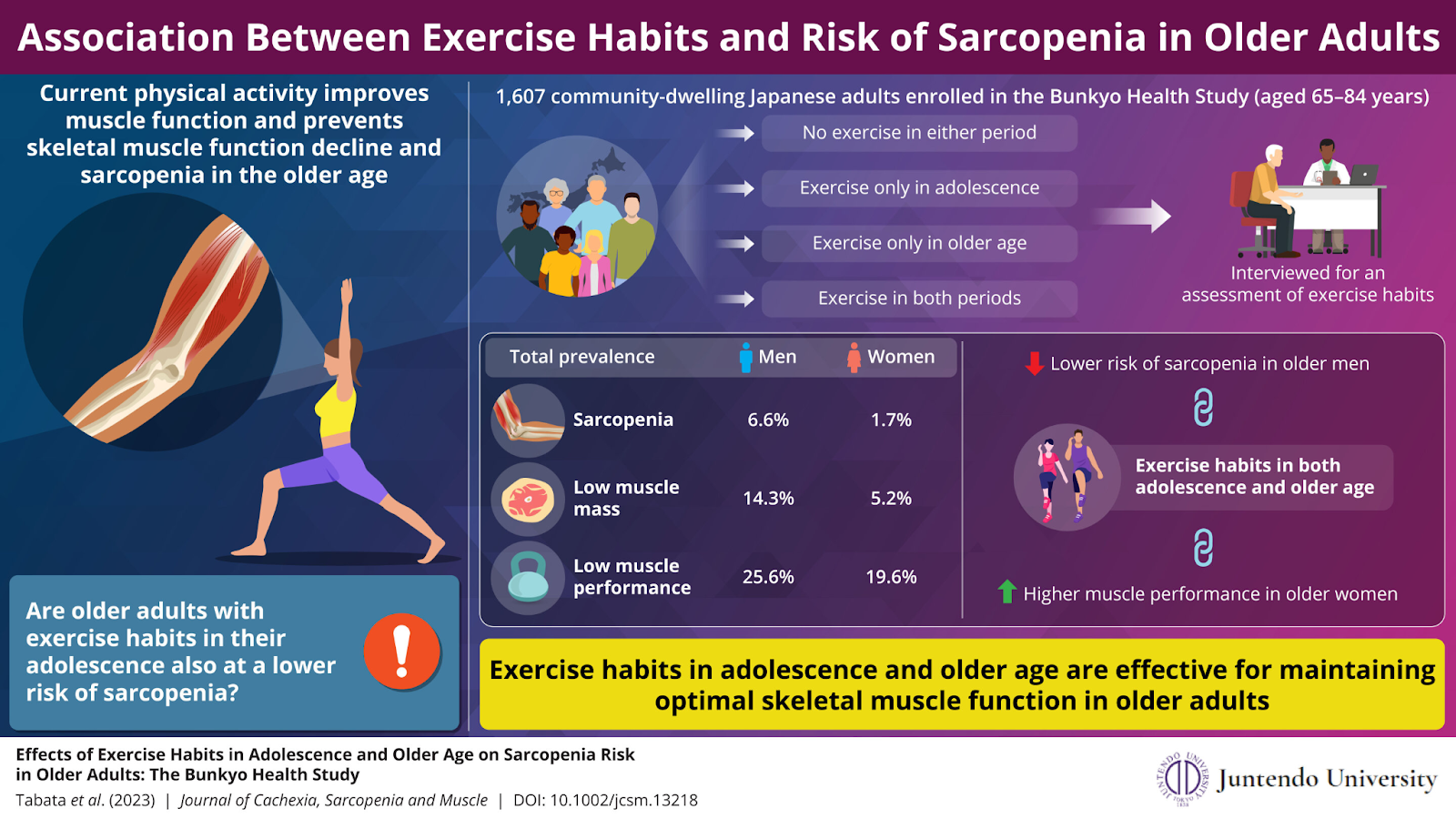
Many innovative companies now consider employee sarcopenia prevention as a key productivity measure. Japan's corporate leaders have implemented mandatory mid-career strength assessments and many Nordic insurance companies provide gym memberships with resistance training reimbursement weighting.
Sarcopenia prevention prevents on average 2 – 3 years of disability claims per year to maintain physical capability.
In India, many of the IT parks in Bangalore and Hyderabad have established functional training areas next to their food/cafeteria areas. Many large companies attach their ESOP refreshers to the results of annual capability testing. Corporate wellness budgets that were previously for generic yoga are now being redirected to measurable items relating to strength outcomes (strength of muscle) with a 15-20% reduction in insurance premiums for maintaining muscle mass.

Indian Reality
Sarcopenia presents a unique challenge to the people living in India. Urban millennials eat a small amount of protein compared to the World Health Organization's recommendations (approximately 30-40%) and spend over 10 hours a day sitting. While whey protein supplements appear to be more popular in gyms than dal, a lack of consistent nutrition undermines athletes' potential results. Additionally, older adults living with joint families observe that their children are no longer able to carry their ancestors' rice bags; as a result, strength is becoming further diminished through generations.
There are now many smart clinics that offer "sarcopenia screening packages," which assess DEXA scans, grip strength testing, and the 6 minute walk. Furthermore, new specialty strength studios are emerging in many tier-2 cities at corporate rates. Nutraceutical companies are expanding from collagen-based to leucine-enriched formulations aimed primarily at people over 35 years of age.
Five Non-Negotiable Muscle Maintenance Principles
A simple way for any high-level business leader to put into action: once a week for three sets of three on major compound lifts, consume 1.6g of protein per kilogram of bodyweight per day (pre, during and post-workout), get good-quality sleep where muscle recovery can occur (specifically in deep REM), maintain adequate Vitamin D levels through activity or supplementation (sun exposure or supplements at noon), and conduct a yearly benchmarking on strength (against people of your same age). No fancy biohacking needed and being consistent is more important than having high levels of power/intensity.
Pharma and Tech Race to Commercialize Muscle
The muscle industry has a market of billions due to its many uses in medicine. Pharmaceutical companies are developing myostatin inhibitors and biotech companies are utilizing muscle stem cell therapy. Wearable technology can now be used to measure your grip strength, stair climbing ability, and your steps. Many Indian companies have started creating AI coaching programs for corporate wellness that includes resistance training and divided costs by employee or employee-month terms.
The Bottom Line for Decision-Makers
Executives can choose to accept sarcopenia as something they can’t avoid and make their plans accordingly (dependent workforces, increasing medical costs, etc.) or consider sarcopenia prevention an ‘infrastructure’ issue that should be treated as ‘non-negotiable maintenance’ for human capital.
For the 50-year-old manager to deadlift their body weight isn’t just for ‘vanity’ it’s also insuring against them becoming a liability later. Companies requiring strength screenings aren’t trying to keep up with the latest ‘trend’ but are preparing themselves for what’s ahead.
In 2026, muscle will be necessary not optional; as it will be 'the' performance-enhancing substance at the fastest growing and longest lasting bull market in history – your remaining productive years.
Latest Posts