
Navigating Data Overload and Building Forecasting Agility in Modern Corporate Reporting

Such information can be very valuable as it allows for deeper insight into the subject matter, but on the other hand, it can be considered as quite an obstacle as well. Namely, it causes an overload of businesses due to its large volume.
Nowadays, companies face the issue of having to find proper data rather than struggling with its acquisition. In such a way, the old approach according to which reports were examined to see how things worked in the past is not sufficient nowadays due to fast-changing environment. Businesses should adapt to new situations predictably revise their strategies and make accurate forecasts. That is why forecasting is of crucial importance.
Understanding the Challenge of Data Overload
Businesses today incorporate computers and the internet into their operations quite rapidly. As a result, businesses obtain an enormous amount of data from such sources as ERP system, customer relationship platforms, and cloud-based applications, etc. Having access to all that information can help businesses in making informed decisions while, at the same time, complicating things for those responsible for making decisions.
Many businesses suffer from such issues as working too much with numbers, receiving reports again and again, and even having difficult dashboards where one cannot distinguish the most important information. As a result, decision-making processes become more time-consuming while creating difficulties when reporting.
To solve those issues, businesses should ensure themselves that the data they use is actually necessary and that they focus only on the metrics that can contribute to their success. In other words, businesses should prioritize the high-quality data and metrics contributing to achieving their goals and being successful companies.
Why Forecasting Agility Matters More Than Ever
The business environment is undergoing fast changes due to monetary factors, varying customer needs, innovation, and unpredictable global events. These factors can influence a firm's performance within a limited period. The traditional forecasting approach that relied on budget estimates, infrequent adjustments, and stable business environment used to work in a predictable setting. Currently, it no longer works as expected because the situation has changed.

Businesses can adapt to the situation better and develop strategies that enable planning and managing uncertainties. This process is favored by organizations because forecasting agility is crucial in this case. Thus, businesses can adapt their plans according to emerging forecasts. Business environment and forecasting agility are important concepts for organizations to learn about.
Benefits of forecasting agility include:
- Faster responses to market changes.
- Improved resource allocation.
- Enhanced risk management.
- Better alignment between strategy and execution.
Companies employing the technique of forecasting have an easier time finding new opportunities and handling the difficulties before they become too serious. In this way, they will avoid any difficulties and take advantage of any opportunities that may arise through forecasting agility.
The Role of Advanced Analytics and Technology
Technologies are becoming a critical enabler for organizations willing to deal with large volumes of data and make predictions. For example, advanced analytics technologies allow for a fast processing of big volumes of data, detecting various patterns and providing valuable insights to support decision-making. Intelligence machine learning and predictive analytics technologies have started impacting organizational reporting practice, shifting it towards forecasting the future rather than reporting on the past events.
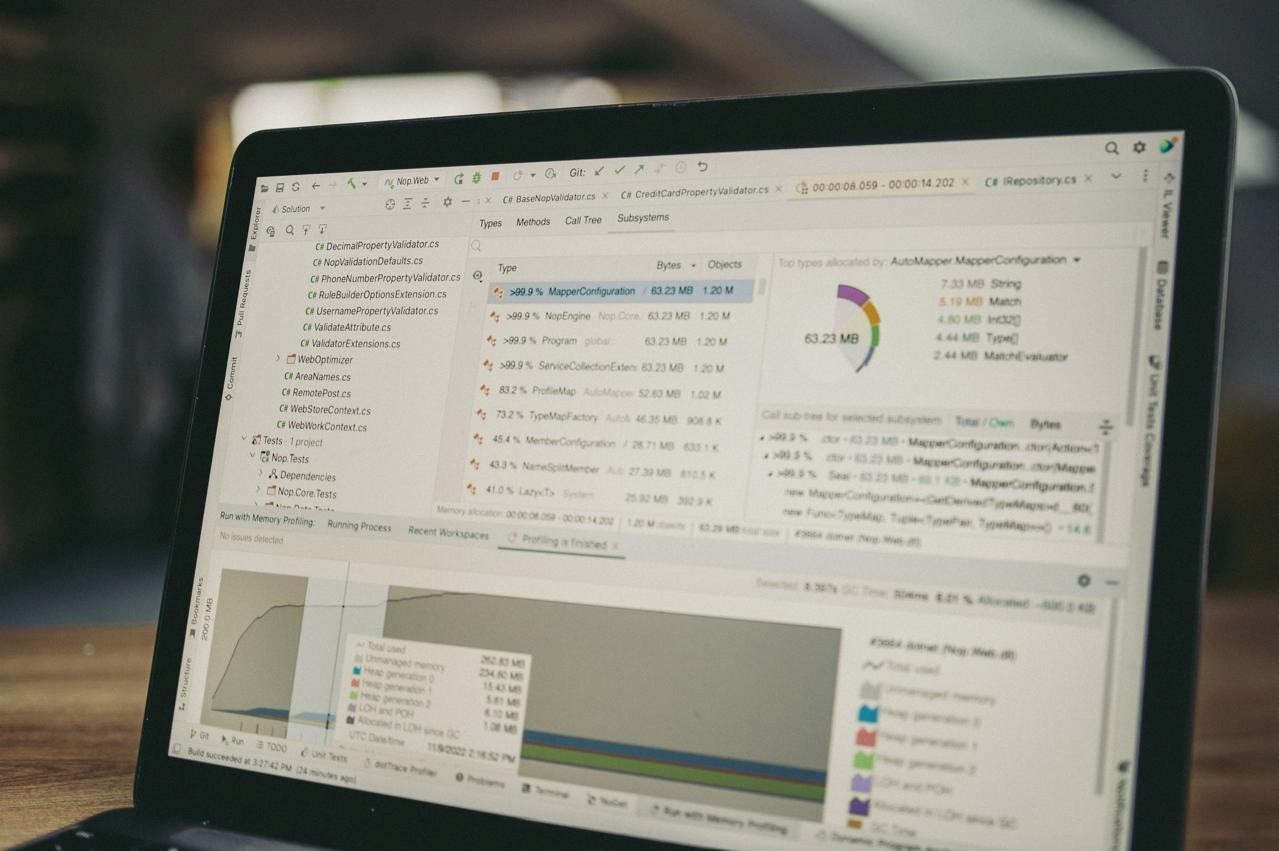
The most important capabilities provided by the above technologies include the following:
- Automatic data collection and consolidation from various sources.
- Reporting performance on a dashboard basis on a continuous basis.
- Applying modeling to improve the accuracy of forecasts.
- Performing scenarios analyses and simulations.
- Automatic detection of patterns and possible threats.
Automating routine reporting processes, the above technologies will give an opportunity for finance professionals to focus more on strategic analysis. Still, it should be noted that technology implementation cannot ensure a successful performance without being aligned with business goals and supplemented with governance, management and other measures.
Building a Culture of Data-Driven Decision Making

Forecasts can change if needed not because of advanced technologies but also because of the way a company works. When everyone in a company trusts numbers to make decisions it helps. All employees should feel confident using data to understand business problems and challenges. A company that uses data well makes sure everyone has the information and can see it. This helps different departments work together using the information and assumptions.
- A company can create a culture that uses data by:
- Making reports clear and easy to understand.
- Helping employees get better at working with data.
- Encouraging teams to work and share ideas.
- Regularly. Measuring important goals.
- Making sure teams are responsible for providing data.
When employees are good at working with data the whole company can make forecasts, not just the finance team. The company can make forecasts that're reliable and help it make good decisions. Data helps the company work together and make choices. Everyone, in the company should be able to use data to do their job. This way the company can achieve its goals. Stay ahead.
Strategies for Enhancing Forecasting Flexibility
Forecasting flexibility is about making sure that the right combination of technology, procedures, and people are in place. Organizations considering to update their forecasting practices may wish to consider a few key strategies.
Implement Rolling Forecasts
Firstly, they must apply rolling forecasts. Instead of using budgeting exclusively, an organization may need to ensure that its forecasts are updated regularly. Rolling forecasts enable organizations to continually incorporate new information into the forecast and be forward-looking.
Focus on Key Drivers
Secondly, it is necessary to prioritize essential indicators. Not all numbers are equal. An organization may require determining which factors have a real impact and apply these to develop meaningful forecasts.
Use Scenario Planning
Thirdly, they should engage in scenario planning. Scenario planning allows organizations to prepare for various possible situations. By assessing the worst and most likely scenarios, it will be possible to formulate plans for dealing with challenges and minimize the likelihood of surprises.
Integrate Data Sources
Fourthly, they should integrate data across functions. In order to be effective, forecasts should incorporate financial, operational, and customer-related data. Such integration provides organizations with a comprehensive understanding of their operations.
Lastly, forecasts should be reviewed regularly. Forecasts are not supposed to be static; instead, they should be dynamic in nature.
Conclusion
The focus in corporate reporting is moving from a historical review to providing us with useful information which can be used to make sound decisions in the future. In order to ensure this, there is a need to ensure that this data is effectively used to develop certain insights based on this data.
The ability to predict future trends by using data analytics and collaboration means that such organizations are in a position to adapt quickly in cases where changes occur. Organizations which are efficient in predicting future trends as well as managing their data will perform well in handling uncertainties, seizing favorable opportunities, and performing sustainably in the long run.
Latest Posts