
Nvidia H200 in China A Win or a Risk for Global AI
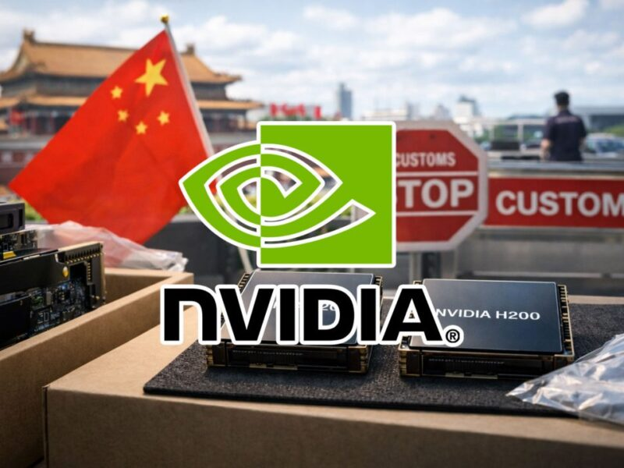
And with the deal processed and actual chips flying in with over 10,000 units roughly landing at ByteDance and Tencent in the recent weeks, the move which was highly debated and garnered public attention has steadily become real.
Table of Contents
1. How We Got Here
2. What's Actually in the Deal
3. The Case That This Is a Win
4. The Case That This Is a Risk
5. H200 vs. H20 vs. Blackwell: What China Can and Can't Buy
6. What This Means for Global AI Competition
7. Conclusion
How We Got Here
Nvidia’s decision to sell its H200 chips to China didn’t simply happen overnight, but was a result of years of policy curbing its transactions. Under the Biden administration’s controls over export aimed to keep the most advanced AI computing away from a strategic arrival, the H200 chips had been restricted for supply to China. A decision that changed with President Trump’s announcement on December 8, 2025 granting permission for supply of H200 and comparable chips to ship to approved Chinese customers. The policy then gained official formalization by the Commerce Department’s Bureau of Industry and Security in mid-January 2026, while implementing a case-by-case licensing review instead or providing a blanket ban or approval.
And while the federal government had begun granting approvals, the actual transition and supply of shipments took months to officially materialize. Before Chinese domestic tech giants could place their own orders for the H200 chips, the Beijing government and Chinese regulators decided to conduct their own regulating review before finally granting approval of H200 purchases for select customers in Mid-March 2026. Despite these approvals, sales remained steady until late April, marking remaining hurdles from both sides of the parties with no chips having been sold until then. Only in August 2026, was a clear transition in place and major Chinese platforms began accepting deliveries for thousands of units each.
What's Actually in the Deal
The sale for H200 chips isn’t a simple policy, it comes wrapped in conditions that indirectly outline everything about the export and transaction between the nations:
1. A 25% revenue cut. : The US government would be taking a quarter of the revenue from approved China sales, a structure without much precedent in modern export policy.
2. Case-by-case licensing : The US government has also restricted open sales and on the condition that the export would not result in shortage or impact the supply available to US customers.
3. Chinese buyers must show "sufficient security procedures" : The Buyers must ensure to use it for professional uses, and needs to certify the chips won't be diverted to military end use.
4. Independent, third-party testing in the US will be implemented to verify each chip's performance and security before it ships.
5. An age restriction on the hardware. Reports also suggest that Nvidia has been strictly instructed to send H200 units that are roughly 18 months old, ensuring that the newest silicon inventory remains within the United States.
6. Blackwell, Nvidia's most advanced chip family, remains off the table. The H200 is Nvidia's second-tier product, still powerful but a conscious step lower than its frontier flagship which cannot be sold to any party through export.
The Case That This Is a Win
The policy and its conditions has gained support and criticism alike, and a meaningful majority of the Republicans in Congress believe that this is a sensible strategy as China is bound to gain access to computing chips, either through developing it within the country or by smuggling it through third countries and placing such policy ensures revenue generation while also maintaining indirect control over the global computing markets. Furthermore, the allowance to only sell second-tier chips that are over 18 months old ensures American citizens maintain priority and the United States holds the export leverage for the foreseeable future.
On a commercial aspect, Nvidia had previously taken a $4.5 billion writedown on unsold China-bound chip inventory, something that cost heavy losses during its quarterly revenue. The Chinese market’s requirement for Nvidia chips presented a requirement of roughly 700,000 chips, a demand and revenue opportunity that would otherwise shift to third-party suppliers while also costing America the 25% margin that it is currently generating through the sales. The policy ensures that the revenue flows through American companies and the US Treasury, instead of isolating the markets in their entirety.
The Case That This Is a Risk
The policy and terms of the deal have also garnered criticism with the opposition, led by Senators Elizabeth Warren and Tim Kaine, and Representative Gregory Meeks arguing that the conditions are far easier to outline and write than actually enforcing them. Their core objections are mainly based on:
1. Military end-use is hard to verify after the sale. The objection mainly stems from the fact that once a chip enters the Chinese Data center, it’s difficult to exactly established what the computing abilities are being used for and critics have even argued that Nvidia’s hardware has also previously been linked to AI models used within People's Liberation Army systems well before the H200 approval.
2. The revenue-sharing structure itself has drawn "appearance of corruption" concerns Lawmakers have also argued that it would be difficult to ascertain whether the government is the right gatekeeper to mitigate the sale’s security risks while also profiting from the sale directly in margins.
3. Supply competition with American buyers. Considering the already existing massive gap between Nvidia's total H200 inventory and the Chinese demands, critics also argue that every chip being exported to China is actually at the cost of a US startup, university, or national lab not receiving them, or having to wait to obtain one for themselves.
4. Chip security itself remains contested. US lawmakers have pushed legislation requiring location-tracking and remote-shutdown capabilities on exported chips while Chinese regulators continue to stay alert and even summoned Nvidia to explain whether its chips already contain undisclosed "backdoor" tracking features, a claim Nvidia has denied.
H200 vs. H20 vs. Blackwell: What China Can and Can't Buy
|
Chip |
China Access |
Performance Tier |
Key Restriction |
|
Blackwell |
Not permitted |
Nvidia's most advanced |
Full export ban remains in place |
|
H200 |
Permitted, case-by-case license |
Second-tier, high-performance |
25% revenue share; ~18-month-old hardware only; end-use certification required |
|
H20 |
Previously permitted, contested |
Built specifically for China, lower-spec |
Subject to its own on-and-off export history and Chinese security scrutiny |
What This Means for Global AI Competition
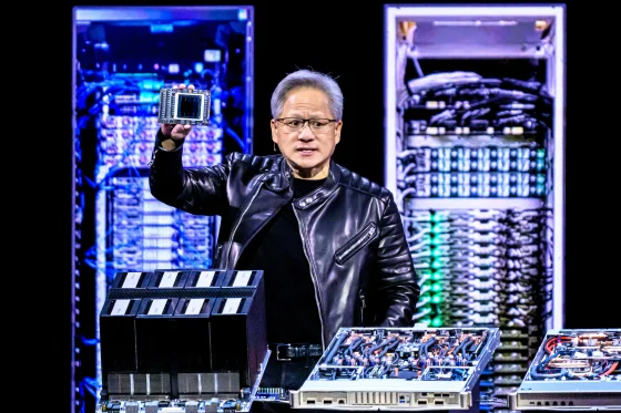
Within American soil, the policy and dilemma of trading with China raises risk comparisons between protecting the best technology for the Americans or balancing external requirements and benefitting from the demand while keeping China dependent, at least partially on US supply and production. For the rest of the world, the deal is simply a widening gap between three tiers of AI computing technology; the frontier chips that remain exclusive for US and Allied markets (Blackwell and the future versions of it), the controlled middle tier that is regulated and monitored for supply across the world and China (the H200) and the parallely developing Chinese silicon technology at the same time. And while this may not seem significant, the three tiers have the potential to direct and define AI global hardware competition for several upcoming years, regardless of how the enforcement plays out.
Conclusion
The sale of H200 chips by Nvidia to China while being under the Trump administration’s vigilance and evaluation ranks high amongst the influential movements across global markets for the month. On a company profit level, the allowance of sale of H200 chips enables Nvidia access to its largest customer markets while providing a free-flowing and continuous stream of revenue for the US government, while also preserving the leverage over rival nations in the global markets. And while the honest outcome and assessment of the deal being a win for the United States or a strategic misstep would depend upon the sale of chips to Chinese markets, the outcome would surely depend more upon how well the policies are enforced instead of how tightly the policy guidelines are drafted.
Latest Posts