
Oura Ring vs Whoop Which Wearable Actually Improves Your Sleep
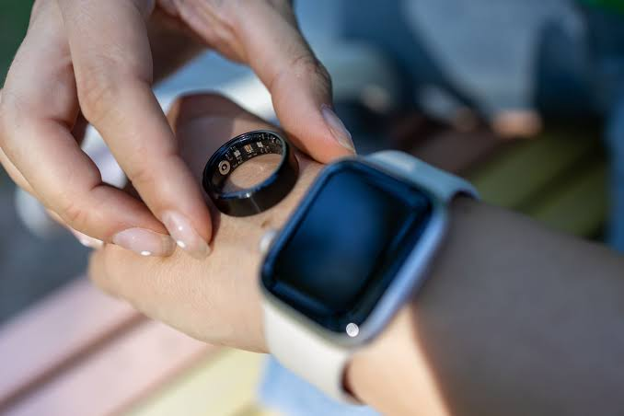
And whether that data is further channeled into better sleep, actually depends on what you do with it. Oura and Whoop both take genuinely different approaches to addressing measurements and data of sleep, strategies that often are undisclosed in public reviews and purchase guides.
Table of Contents
1. The Core Difference: Ring vs. Band
2. Sleep Tracking Accuracy: What the Research Actually Shows
3. Full Comparison Table
4. How Each One Tries to Improve Your Sleep
5. The Subscription Question
6. Real Cost Over 3 Years
7. Pros and Cons
8. Who Should Choose Which
9. Conclusion
The Core Difference: Ring vs. Band
At its core, Oura is a ring, a small, screen-free gadget that rests on your fingers while Whoop is a band worn on the wrist, also screen-free, but built around a completely different philosophy for how it presents data. Oura’s philosophy in collecting data focuses on passive, background tracking that collects data that you can access as a daily Readiness score through your phone. Whoop on the other hand focuses on constant active feedback loop, connecting how hard you trained (Strain) to how well you're recovering (Recovery), while also directly nudging you to adjust behavior to maintain optimum health and movement conditions. And while their core functions or spec sheets might aim to convince you otherwise, that very distinction is significant, with the two managing and controlling your data through significantly different approaches.
Sleep Tracking Accuracy: What the Research Actually Shows
Both devices from Oura and Whoop have undergone through real, independent validation tests with studies comparing the Oura Ring against polysomnography with results placing its capacity within roughly ±15 minutes of PSG for total sleep time, and ability to capture REM sleep with approximately 75–80% accuracy, notably the strongest validated figures for any consumer ring-form tracker. Similarly, a 2024 study in Sleep Medicine had also reportedly found similar strong agreement between Oura and lab-based sleep staging.
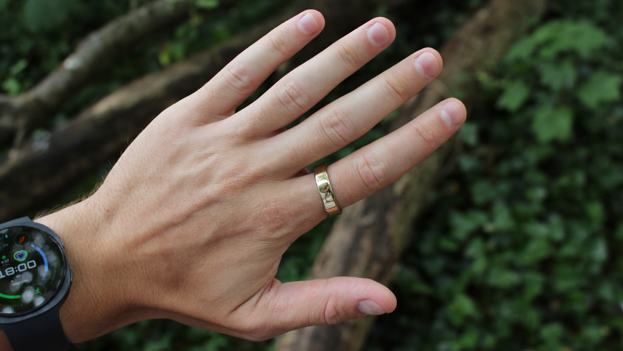
Whoop also presents its own foundation of verified research including a 2020 study finding it provides a reasonable method for estimating sleep, particularly when bedtimes are entered manually rather than relying entirely on automatic detection. For resting heart rate specifically, a study comparing multiple consumer wearables against medical-grade ECG found both Oura and Whoop achieved correlation scores near 0.99, a level considered essentially medical-grade for that particular metric. In terms of HRV specifically, Oura has shown a slight edge in raw measurement accuracy over Whoop in some comparative analyses. If studies were to be used as estimates of effectiveness, Oura and Whoop have both shown reliable metrics for tracking sleep duration and stages, and the accuracy gap between them is smaller than most marketing suggests.
Full Comparison Table
|
Feature |
Oura Ring (Gen 4) |
Whoop 4.0/5.0 |
|
Form factor |
Ring |
Wristband |
|
Screen |
None |
None |
|
Battery life |
~8 days |
~5 days |
|
Upfront cost |
$349 (one-time) |
Free with subscription |
|
Subscription |
$5.99/month (optional for core data) |
~$239/year (required — device won't function without it) |
|
Sleep stage accuracy |
±15 min of PSG; ~75–80% REM accuracy |
Reasonable agreement with PSG; best with manual bedtime entry |
|
HRV accuracy |
Slight edge in raw measurement |
Very strong; near-medical-grade correlation |
|
Signature feature |
Readiness Score |
Strain-to-Recovery coaching |
|
Best for |
Passive, background tracking |
Active athletes wanting a feedback loop |
|
Cycle tracking |
Yes, included |
Available on higher-tier plans |
How Each One Tries to Improve Your Sleep
Oura's approach revolves around its Readiness Score, a value deduced based on your sleep, HRV, body temperature, and activity data alongside detailed sleep-stage breakdowns available first thing each morning. Users who've used Oura rings for prolonged periods have also emphasized scores gaining greater accuracy and meaning after a two-to-three-week baseline period, once the algorithm has learned your personal patterns and stopped relying on generic population averages.
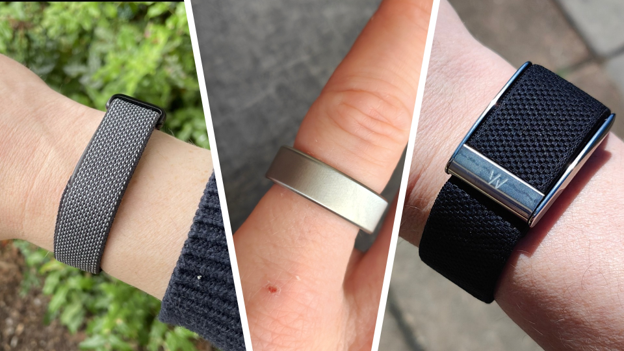
Whoop takes a more directive approach with its Sleep Coach feature, focused on providing an optimal target bedtime based on your current "recovery debt" and your planned wake time the next day, a level of nudging and detailed tracking that Oura rings or other counterparts fail to match. And while a schedule directed by tech gadgets may not work for all users, it works wonders for some users who are better than being left on their own to interpret a score and change schedule accordingly every morning.
The Subscription Question
Now this is where the two products diverge much sharply and a divergence that can deeply impact your purchase and usability in the long term. Oura's core sleep and readiness data works without any subscription at all. Oura does offer a $5.99/month Oura Plus tier that provides extra features but isn't a mandatory purchase to use the ring's fundamental sleep-tracking function. Whoop works very differently in contrast, the device itself is free, but it requires an active membership for sustained function. And once the subscription ends or cancels, the band simply stops to function or provide any data.
Real Cost Over 3 Years
Run the numbers out over a realistic ownership period, and the gap becomes hard to ignore.
|
Oura Ring |
Whoop |
|
|
Upfront cost |
$349 |
$0 |
|
Ongoing cost |
$5.99/month ($71.88/year) |
$239/year (or $30/month = $360/year on the monthly plan) |
|
3-year total |
~$565 |
~$717–$1,080, depending on plan |
Oura comes out meaningfully cheaper over a typical multi-year ownership period, even accounting for its higher upfront price, largely because Whoop's subscription is mandatory rather than optional.
Who Should Choose Which
For those looking for lower long-term ownership costs and a device that works without commitment and allows you to maintain control over your own data and schedule, Oura Rings are definitely the better fit, especially with its passive, background sleep tracking rather than active intervention in your daily life. But if you’re a serious athlete, conscious about fitness and sleeping habits or simply striving to achieve balance in recovery and training while being okay with a recurring cost, Whoop's coaching model tends to deliver more actionable, specific guidance day to day. On a daily basis neither device will improve the quality of your sleep or change how you sleep. But they can reliably show you patterns and schedules that you strictly need to implement for achieving the stability and balance that you’ve been craving for so long.
Conclusion
If you’re simply looking to find the better device or choose based on which will improve your sleep more, the answer is neither but both can surely impact the choice you make on a daily basis and empower the change to come from within you. Not from a ring or a watch, or a gadget, but you! What differs is how each device tries to get you there with Oura handing you the numbers and allowing you to control what change you wish to bring while Whoop builds a support and coaching loop for you to follow. And which approach works better for you could simply depend upon what works better for you, with the decisive factor not being the mechanics of the gadget or their accuracy, but your personality to receive and adapt feedback into your daily routine.
Latest Posts