
OzempicEra Nutrition How to Maintain Muscle Mass While Focusing on Weight Loss

What Ozempic Does to Your Body Composition
So if you’re on Ozempic and losing weight due to lower calorie consumption, it’s important to have a recovery plan in place to build & preserve the lean muscle that may be lost as well. By having a recovery plan in place, It will help you maintain and even improve your body composition (the proportion of fat to lean).
A recent study published in a major medical journal showed clear evidence that Ozempic users lose a significant amount of muscle along with fat loss, but much less fat than the amount of muscle lost. So you may weigh less when you complete the weight loss phase of your program but your body will be weaker, more fatigued, and have a lower metabolism than before starting the Ozempic program.
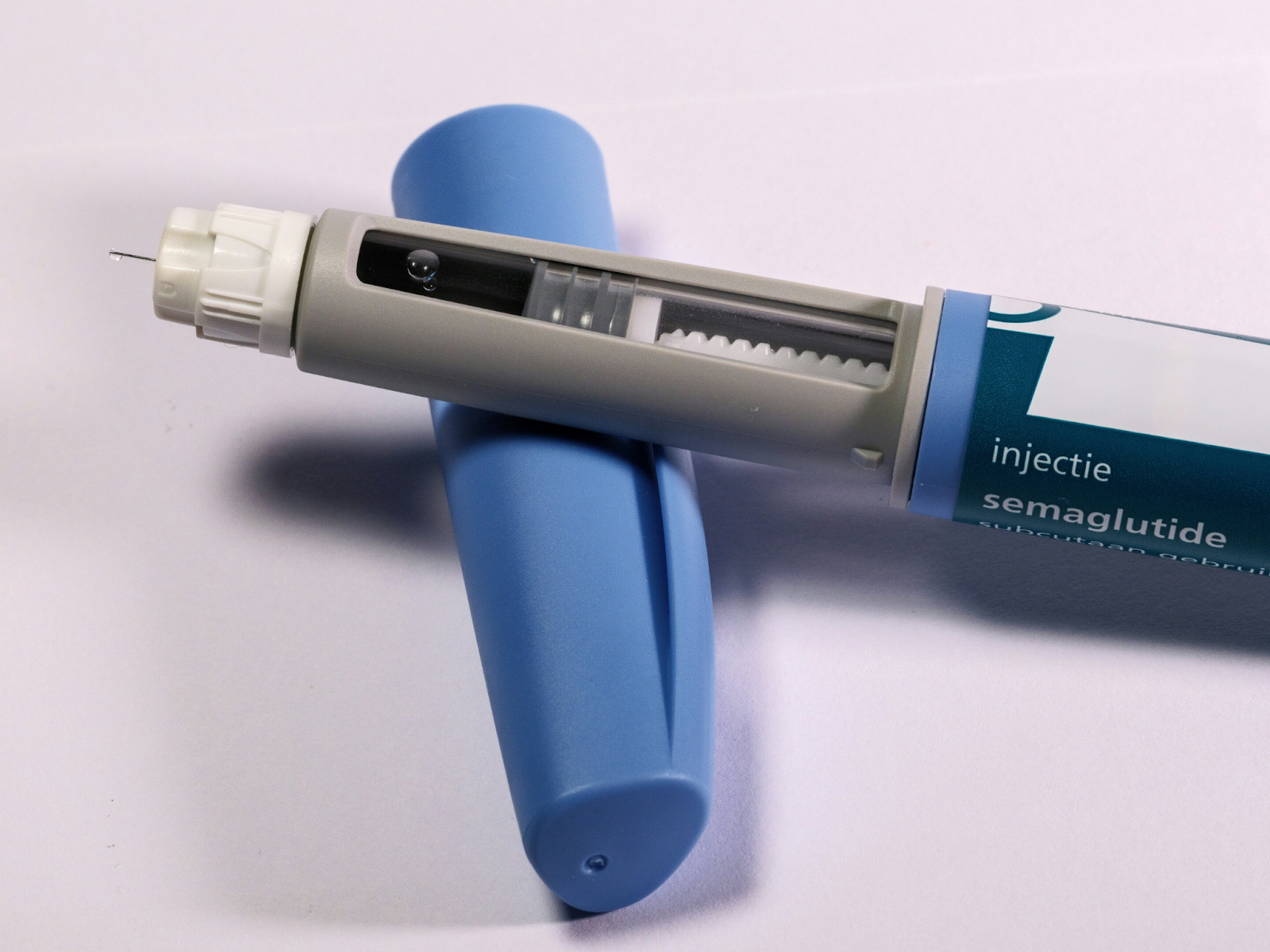
Protein: Your Non‑Negotiable on Ozempic
Ozempic, by reducing the sense of hunger can reduce protein intake by many people without them being aware of this potentially unintended consequence. As a result of a reduction in protein consumption, many users may be subject to muscle wasting as a result.
To assist with preserving lean body mass in the context of rapid weight loss, many obesity specialists and GLP-1 experts recommend a protein intake of approximately 1.2-1.6 grams per kilogram of body weight per day. New recommendations for physically active individuals suggest a protein intake close to 0.6-1.0 grams per pound of body weight per day, with modifications being made to protein intake based on the recommendations of knowledgeable professionals.
Two common sense "rules of thumb" that will be useful for anyone who is utilizing Ozempic include the following:
~If you generally eat three meals each day, aim to consume between 25-30 grams of protein at each meal. If you are generally someone who eats two meals per day, aim to have between 40-50 grams per meal.
~Spread your protein intake throughout the day as evenly as possible instead of having your protein intake be heavily skewed toward the last meal of the day (i.e., loads of protein at dinner). Muscle mass is more positively impacted by receiving consistent stimuli over an extended period of time.
When experiencing nausea or early satiety, high-protein foods with softer textures (such as Greek yogurt, eggs, cottage cheese, protein shakes or lentil soup) may be more tolerable than large portions of red meat.
Before increasing protein consumption due to kidney or liver issues, please discuss this with your physician or dietitian.
Why Strength Training Is Non‑Optional Now
While nutrition provides an essential foundation, resistance training communicates to the body what it should hold onto. There have been multiple meta-analytic studies that show lifting weights helps to retain/possibly increase lean mass while losing fat during a caloric deficit. Incorporating GLP-1 treatment and regular exercise helps retain muscle after the drug has been stopped when people are trying to maintain weight loss.
Experts in endocrinology agree that a combination of adequate protein intake and regular exercise, particularly strength training, is of the utmost importance to protect muscle and bone while taking GLP-1 medications. You’re not expected to follow a bodybuilder routine; most adult professionals can expect a routine focusing on 2-3 strength training sessions per week, of 30-45 minutes duration, with an emphasis on multi-joint, functional movements (e.g., squat, hinge, push, pull, and carry), using either machine or free weights and potentially heavy bands. In addition to performing the exercises with proper technique, it’s essential that you incrementally increase either weight or repetitions over time.
Remember, each time you work out, you’re saying to your body, "This muscle is being used; do not burn it."
Micro‑Habits That Make the Plan Sustainable
These medications reduce how emotionally intense food is to you, so you can use that to your benefit through simple structures:
- Protein should be the primary component of each of your meals, and the carbohydrate or fat should be supportive of that instead of the other way around.
- Have a few protein-rich, easy-to-eat go-to options at home and work (rapidly digesting protein shakes, cans of fish, hard-boiled eggs, edamame, paneer or tofu).
- If you find yourself missing meals on Ozempic, use calendar reminders to help you meet your protein targets even if you're not eating much overall.
This isn't just about how you look. In the long run, by keeping your muscle mass you can maintain a higher resting metabolic rate, manage your glucose better and make it easier to maintain your weight once you stop taking the medication.
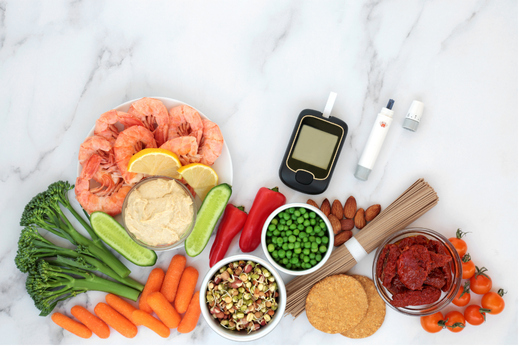
The Bottom Line for the Ozempic Era
To create nutrition that works with Ozempic, you need to be rebuilding your body, not just losing weight. You're trading excess fat for a stronger and more efficient body—and this process involves three key commitments:
- Getting enough protein (most adults taking GLP-1 medication tend to do best at 1.2-1.6g/kg/day or more when active and should get it spread out throughout the day).
- Doing 2-3 resistance training workouts per week that fit into your life and are scaled according to your progress on the path forward.
- Looking at the weight loss process as a body rebuilding process as opposed to simply a number on your fitness app.
As high-performing, digital-first professionals, all three of these things combine to change how you look and create better energy, resilience, and your ability to work on the things you love.
Latest Posts