
Precision Liquid Biopsies The Biochemistry Behind Early Single-Blood-Test Screening for Dozens of Conditions
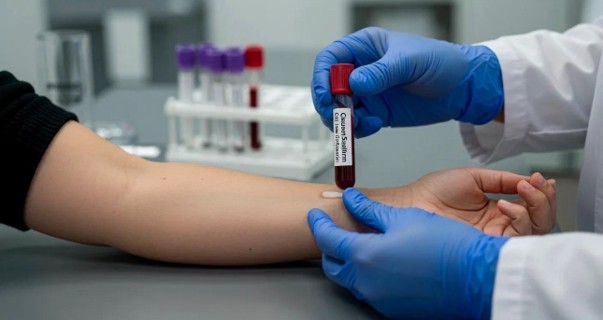
Liquid biopsies have changed this by allowing us to check for diseases with just one blood test. This test uses things like DNA, RNA, proteins and exosomes found in our blood. Many disease screenings are still being tested in clinics. Liquid biopsy is a promising development.
Table of Contents
- Understanding What a Precision Liquid Biopsy Really Is
- The Biochemistry That Powers Early Detection
- Why One Blood Test Can Screen for Multiple Conditions
- Where Liquid Biopsies Are Already Making a Difference
- Benefits and Current Limitations
- Could Precision Screening Become Part of Annual Health Check-Ups?
- The Future of Precision Medicine Begins with a Drop of Blood
- Conclusion
- Frequently Asked Questions (FAQs)
Understanding What a Precision Liquid Biopsy Really Is
Liquid biopsy is a revolutionary way to figure out what is going on with someone’s health. Doctors take a sample of the patient’s blood. Look for cell-free DNA, RNA, proteins and other tiny molecules that can tell if someone has a disease.
This is different from the way of doing things, where they take a sample of tissue from the person’s body. Liquid biopsy gives a picture of what is going on at a molecular level using things like genomics and artificial intelligence which is more than just a regular blood test that checks if someone is healthy or not.
The Biochemistry That Powers Early Detection
The precision liquid biopsy is a tool. It can spot changes in cells at a level before symptoms show up. There is a release of DNA fragments when cells divide and die. Cells that are diseased cancer cells release DNA with specific genetic changes. This DNA is called ctDNA.
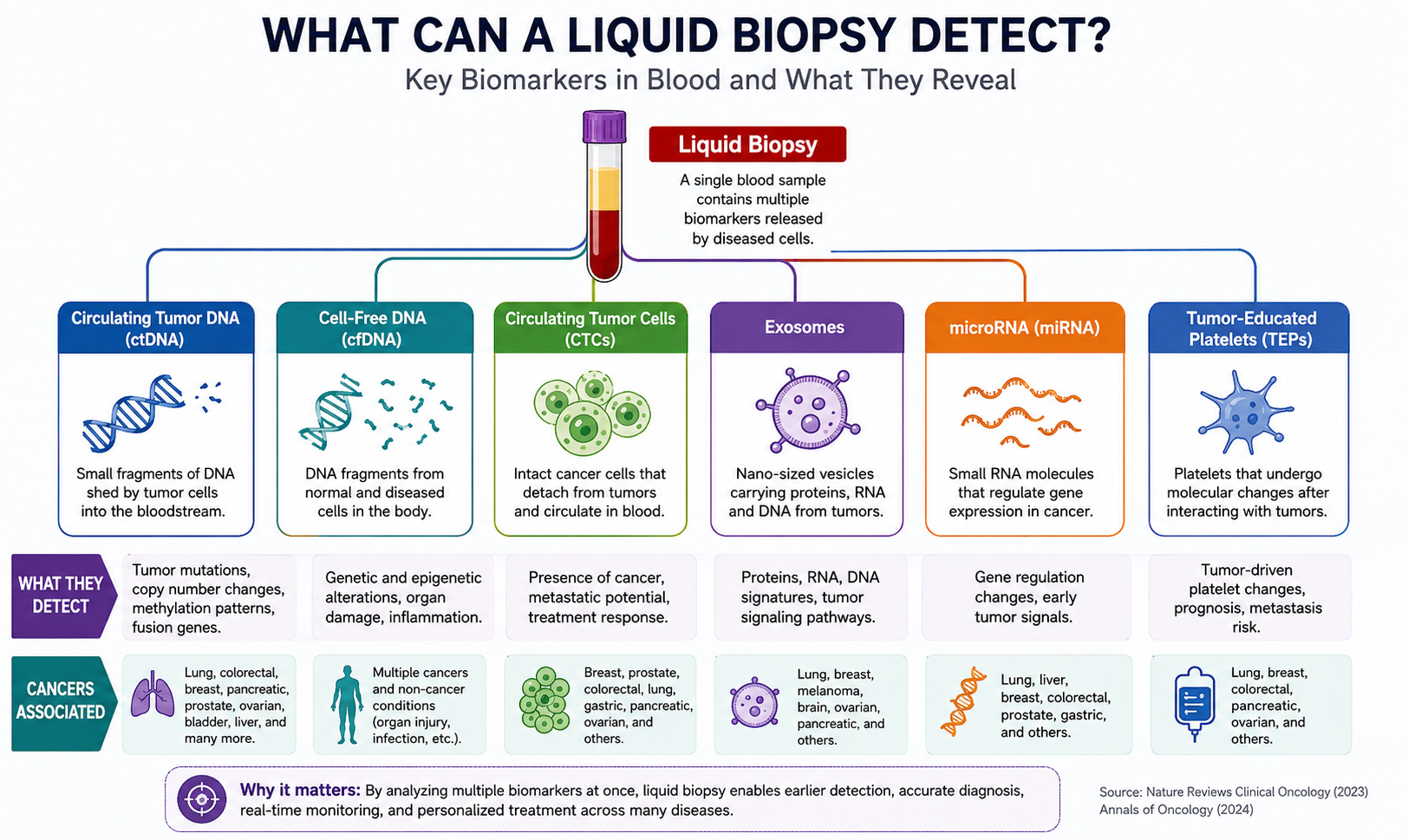
Scientists look at ctDNA. Also at things in the blood like RNA, proteins exosomes. These help scientists see changes in how genes work how the immune system. How cells talk to each other. Precision liquid biopsy is useful for people who want to prevent problems than treat them after they happen.
Why One Blood Test Can Screen for Multiple Conditions
Among the exciting advances in precision medicine is the possibility to detect many conditions from a single blood test. These new liquid biopsy systems do not just find one marker of abnormality. They analyze thousands of markers with next-generation sequencing and artificial intelligence.
Machine learning algorithms compare biomarkers with clinical data sets. This helps recognize disease signatures with great accuracy. These include cardiovascular disease, Alzheimer’s disease, autoimmune conditions, chronic liver disease and infectious disease. There are many multi-disease blood tests that are not yet validated in clinics. Still the technology promises to give a more detailed picture of patients health in the future.
Where Liquid Biopsies Are Already Making a Difference
Liquid biopsies are really changing the way we do medicine especially when it comes to cancer. Doctors are using biopsies to find genetic mutations in cancer patients to see if treatments are working to check for any remaining cancer after surgery and to catch cancer coming back early.
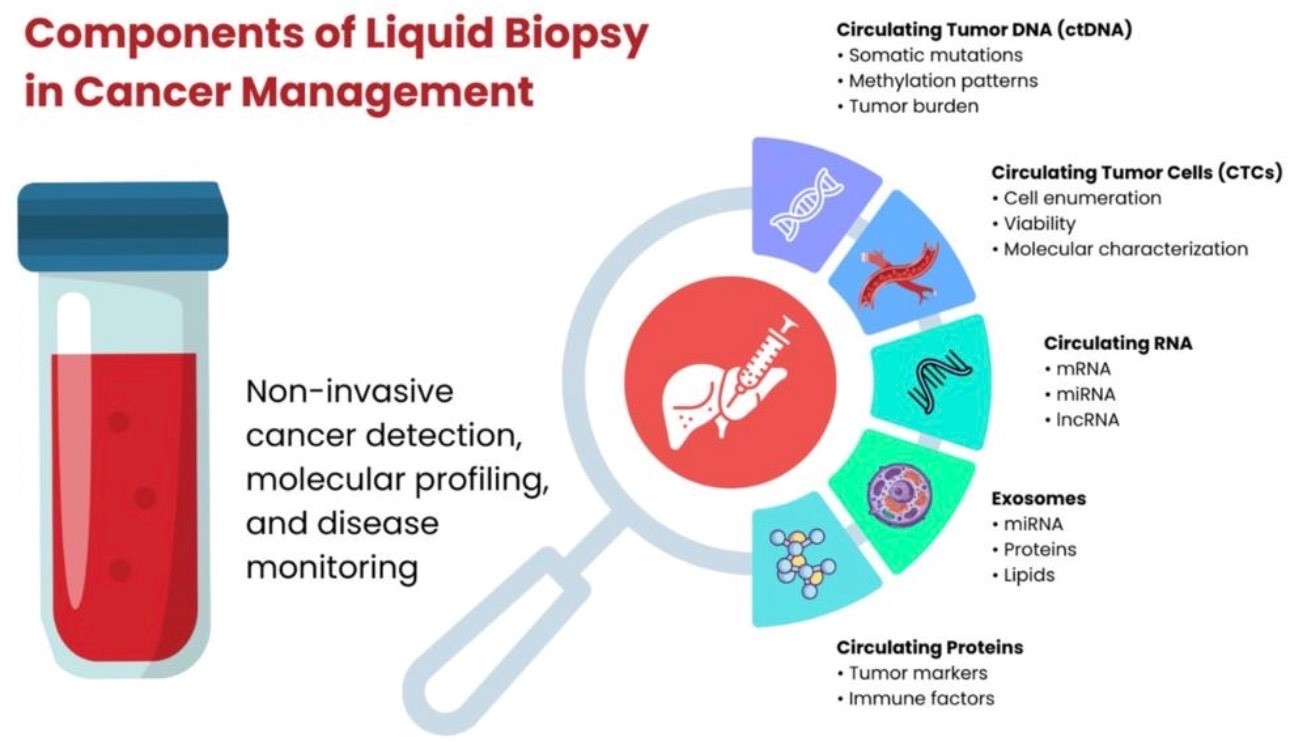
These patients are getting treatments that are based on what’s going on with their cancer at a molecular level rather than just treating the tumor itself. Liquid biopsies are also being studied to see if they can be used to screen for diseases before people even have symptoms.
Benefits and Current Limitations
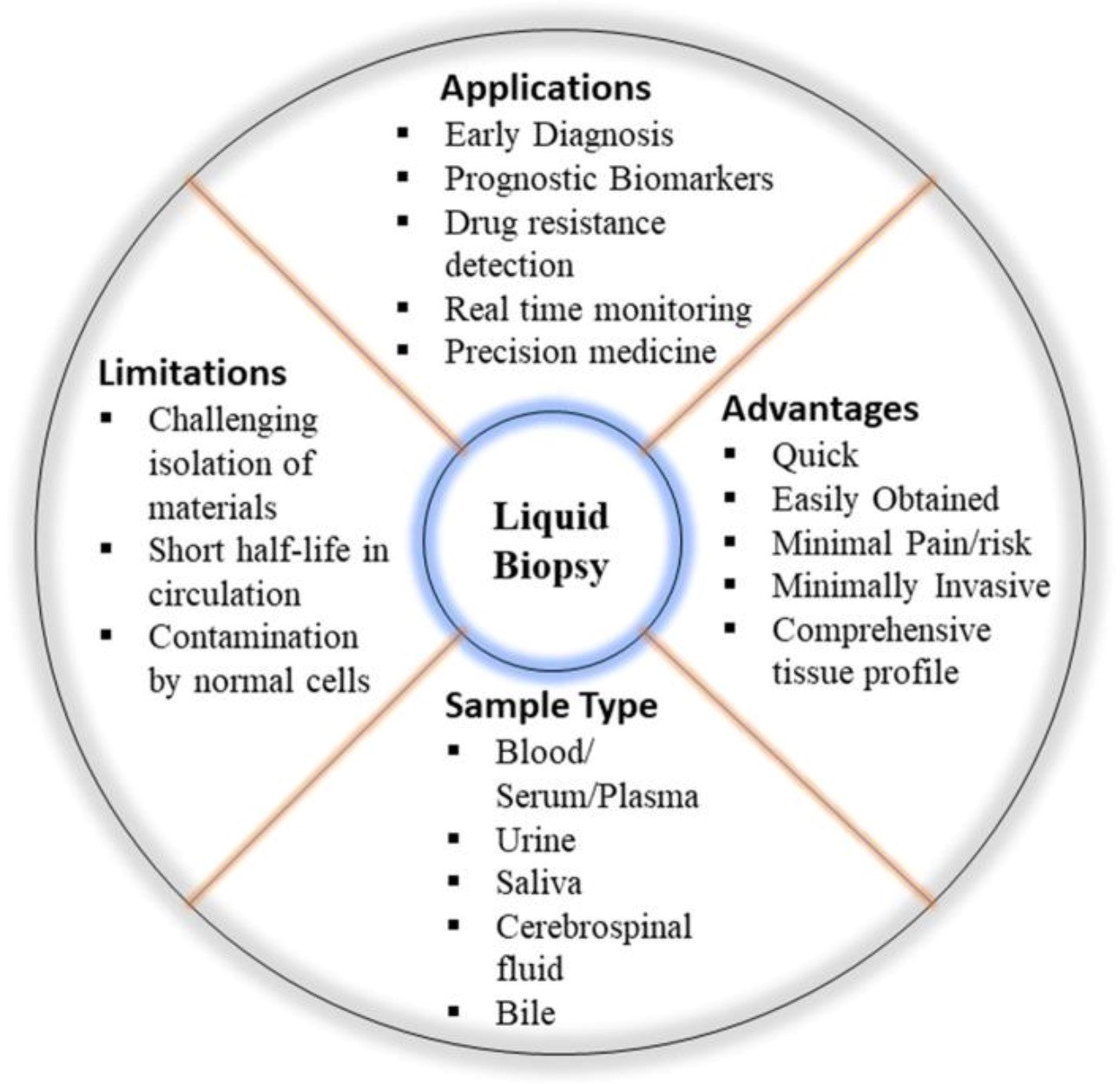
There are strengths of precision liquid biopsies that make them stand out from other diagnostic tools used by doctors today. One major benefit is the use of blood samples, which is not as invasive and painful. This is good for the patient.
The progress in sequencing is also a game-changer. It lets labs check thousands of biomarkers quickly. This means doctors can make decisions about conditions faster. However there are some downsides to precision biopsies. For example not all biomarkers show up in blood samples. They might be too rare to detect. This can lead to negative diagnoses. The high cost and lack of lab equipment, in some areas are also issues. These problems can prevent people from getting precision biopsies.
Could Precision Screening Become Part of Annual Health Check-Ups?
There is growing interest among doctors and medical researchers in using a blood test during regular check-ups. This test can help find diseases before any symptoms show up. Finding diseases early can improve chances of survival reduce care costs and focus on preventing diseases than treating them.

It’s also important to validate these screenings before using them in public healthcare. Most experts think that precise liquid biopsies will add to testing methods, like mammograms, colonoscopies and imaging tests. They won’t replace them. For patients who want a personalized approach to their health liquid biopsies can provide a more complete evaluation of health risks.
The Future of Precision Medicine Begins with a Drop of Blood
The future of precision medicine will be shaped by advancements in genomics, artificial intelligence and molecular diagnostics. New biomarkers are being discovered to improve the accuracy of biopsy tests making disease screening more precise.
Soon, a simple blood test can diagnose cancer. Predict how well a patient will respond to treatment how well their organs are working, how the disease will progress and what health risks they may face in the future. Although there are challenges like cost, limited access and the need for large-scale clinical validation innovation could make precision liquid biopsy testing a reality soon.
Conclusion

Hence, precision liquid biopsy is a step forward in modern diagnostics. They help detect diseases using the DNA, RNA, proteins, and other biological molecules in the blood. Precision liquid biopsies have already changed how we detect and treat cancer.
They enable detection and allow for personalized care. Thanks to advances in science and artificial intelligence these blood tests might become an addition, to existing diagnostic methods.
Frequently Asked Questions (FAQs)
A precise liquid biopsy: what is it?
A blood test called a precision liquid biopsy uses circulating DNA, RNA, proteins, and exosomes to detect illness indicators. Compared to traditional biopsies, a liquid biopsy uses blood sample to diagnose or track various diseases instead of a tissue sample.
Is it possible to diagnose multiplediseases with a liquid biopsy?
With just one blood sample,the liquid biopsy may identify a wide range of illnesses. Researchers are presently working on applications for conditions including heart disease and Alzheimer’s disease, even though they have already created liquid biopsies for several tumours.
What distinguishes a liquid biopsy from a traditional biopsy?
Liquid biopsies look at biomarkers in the bloodstream, whereas traditional biopsies remove tissue by surgery or a needle. It is straightforward to administer repeatedly, non-invasive, and useful for monitoring the course of an illness.
Do medical facilities now perform liquid biopsies?
True enough. In the field of oncology, liquid biopsies are commonly used to identify cancer relapse, mutations, and to provide genetically-based treatments. Its use in population screening is currently under study.
Is there any chance that liquid biopsies can completely substitute all existing screening techniques?
No, liquid biopsies will most likely complement the existing screening techniques such as CT scans, MRI, colonoscopy, and mammograms.
Latest Posts