
Rapamycin and Longevity Science or Just Another Biohack Fad
The first proper placebo-controlled human trial, called PEARL, wrapped up in 2025 and showed the drug was well tolerated with some modest secondary benefits, but it didn't measure lifespan and didn't prove an anti-aging effect. So the honest answer sits somewhere in between the two extremes: this isn't pseudoscience, but it's also not the proven anti-aging pill some corners of the internet are treating it as.
What Rapamycin Actually Is, and Why Longevity Researchers Care
Rapamycin has an unusual origin story for a drug now associated with cutting-edge anti-aging research. It was discovered in the 1970s in soil bacteria on Easter Island, originally studied for its antifungal properties before researchers realized it had powerful immunosuppressive effects. That's exactly why it became an FDA-approved drug decades ago, primarily to prevent organ transplant rejection.
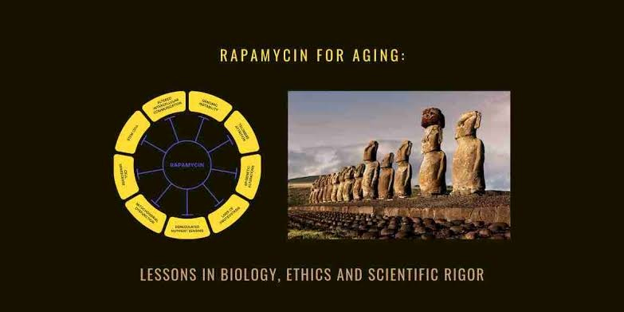
The reason longevity scientists got interested has to do with what rapamycin actually does inside cells. It inhibits a signaling pathway called mTOR, short for "mechanistic target of rapamycin," which regulates cell growth, division, and metabolism. mTOR activity naturally increases with age in many tissues, and there's a well-established hypothesis in aging research that partially dialing it back — the same way caloric restriction does — might slow some of the biological processes tied to aging. It's not a fringe idea. It's one of the more mainstream theories in the geroscience field.

The Animal Evidence Is Genuinely Strong
This is the part of the story that deserves real credit rather than skepticism. Rapamycin is arguably the most replicated lifespan-extending compound in animal research that exists today. Multiple independent labs, using different mouse strains, different dosing schedules, and different starting ages, have consistently found that rapamycin extends lifespan in mice — including when treatment starts relatively late in life, which is a meaningful detail, since a lot of longevity interventions only work if started early. The effect tends to be more pronounced in female mice than male mice, though benefits to tissue and immune health have shown up in both sexes. Early data in companion dogs and marmosets has also been encouraging, though still limited.
If the story stopped there, rapamycin would be one of the most exciting findings in aging biology, full stop. The complication is that mice aren't humans, and translating a robust animal finding into a proven human benefit is one of the hardest, most failure-prone steps in all of medical research.
What the PEARL Trial Actually Found
This is where the science-versus-hype question gets genuinely interesting, because 2025 finally brought the first real data point: the PEARL trial, a properly designed, placebo-controlled, double-blinded study specifically testing intermittent low-dose rapamycin in healthy, normally aging adults.
The trial randomized 114 adults between ages 50 and 85 to either a placebo or weekly doses of compounded rapamycin, tracked over 48 weeks. The headline finding was reassuring on safety: adverse event rates were similar between the rapamycin and placebo groups, suggesting the drug was well tolerated at the doses and schedule used. On the effectiveness side, the results were more modest. Women taking the higher weekly dose gained roughly 6% more lean tissue mass compared to baseline and reported less pain, a genuinely interesting signal worth follow-up. But the trial measured body composition, biomarkers, and safety, not lifespan, and it wasn't designed or powered to prove that rapamycin actually slows human aging.

A separate, independent evidence review conducted around the same time by researchers at George Washington University reached a clear conclusion: based on current human data, an anti-aging benefit in people remains unproven.
A More Recent Study Adds an Important Complication
If PEARL offered a cautiously encouraging safety signal, a follow-up 2026 study called RAPA-EX-01 added a genuine complication to the longevity-biohacker narrative. This trial tested whether cycling mTOR inhibition with weekly rapamycin could actually improve exercise training adaptations in older adults, a hypothesis that made biological sense on paper. It randomized 40 sedentary adults aged 65 to 85 to weekly rapamycin or placebo, alongside a structured resistance and endurance program.
The result: rapamycin didn't provide any measurable advantage over placebo for the primary outcome the researchers were tracking. Both groups improved similarly. That's an important data point precisely because it's not the exciting, headline-friendly finding — it's exactly the kind of null result that gets left out of enthusiastic longevity podcast summaries, but it matters just as much as the positive PEARL findings for building an honest picture of what this drug can and can't do in real humans.
Why This Isn't a Casual Biohack, Whatever Corner of the Internet Suggests
Here's the part that tends to get lost in longevity enthusiasm: rapamycin isn't a supplement you pick up and self-administer. It's a prescription immunosuppressant with a real risk profile, including effects on wound healing, lipid levels, infection susceptibility, and the need for ongoing clinical monitoring. Some physicians do prescribe it off-label for longevity purposes to patients who understand and accept those tradeoffs, but that's a decision made individually between a patient and a doctor familiar with their full medical history, not something to copy from an online protocol.
So, Science or Fad? A Fair Verdict
The honest answer is that it's neither, cleanly. The underlying biology is legitimate and well-supported by genuinely strong animal data, which rules out dismissing this as pure fad territory. But the human evidence is still preliminary, mostly focused on safety and secondary biomarkers rather than the actual outcomes people care about — living longer, staying healthier, avoiding age-related disease. Anyone selling rapamycin as a proven anti-aging solution right now is running ahead of what the data actually supports. Anyone dismissing it outright is ignoring a genuinely promising and well-studied area of aging research.
FAQs
1. Does rapamycin actually extend human lifespan?
This hasn't been proven. Animal studies show consistent lifespan extension, but no completed human trial has measured lifespan as an outcome, and current evidence reviews describe a human anti-aging benefit as unproven.
2. Is rapamycin safe for healthy people to take?
The PEARL trial found intermittent low-dose rapamycin was generally well tolerated over 48 weeks, but it remains a prescription immunosuppressant with real risks and requires medical supervision, not self-administration.
3. What did the PEARL trial actually measure?
It measured safety, body composition, and blood biomarkers over 48 weeks in adults aged 50 to 85. It did not measure lifespan or definitively prove an anti-aging effect.
4. Why do some doctors prescribe rapamycin off-label for aging?
Some physicians find the animal evidence and mechanistic rationale compelling enough to offer it to informed patients who accept the risks, but this remains an individualized clinical decision, not a standard, universally recommended treatment.
Latest Posts