
Realme, iQOO, Poco The Gaming Phone Brands Battling for India's Young Buyers
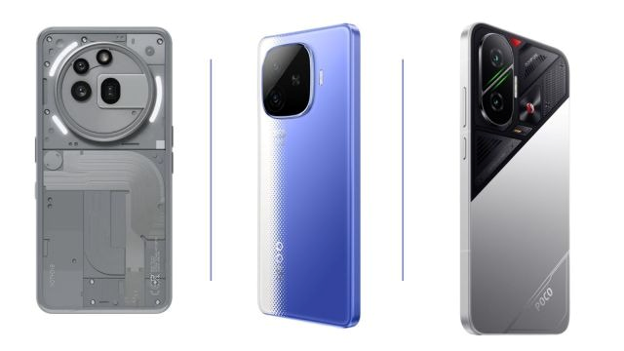
Each brand has carved out a slightly different lane within that fight, Realme leaning on specs-per-rupee breadth, iQOO chasing genuine flagship-chipset performance at a discount, and Poco doubling down on aggressive pricing at the entry and mid tier. But 2026 hasn't been kind to any of them. India's overall smartphone market contracted 4.1% year-on-year in the first quarter, and all three brands actually lost market share during that period, even as the underlying demand for gaming-capable phones among younger buyers hasn't gone anywhere.
Why This Specific Buyer Matters So Much
India's smartphone market is enormous and brutally price-sensitive, and nowhere is that more visible than in the mass budget segment, phones priced between $100 and $200, which still accounts for roughly 42% of total shipments. Vivo, Oppo, and Realme together control about 60% of that segment alone. Layered on top of that price sensitivity is a genuinely massive mobile gaming culture: titles like BGMI and Call of Duty Mobile have created real demand for phones that can sustain high frame rates and manage heat during long sessions, without costing what a dedicated gaming-first device from a niche brand like ASUS ROG would.

That combination, price-conscious and performance-hungry, created the exact opening Realme, iQOO, and Poco have spent years exploiting. None of them are chasing Apple's or Samsung's premium buyer. They're fighting for the college student or young professional who wants their phone to hold up during a ranked match without draining their bank account.
Realme: Breadth Over Depth
Realme's entire identity rests on cramming flagship-grade specs into budget and mid-range hardware, a strategy that's made it one of the country's fastest-growing brands historically by speaking directly to value-hungry online shoppers. The Realme GT 6 is its clearest gaming-focused statement, built around the same chipset found in rivals like the Poco F6 and Xiaomi 14 CIVI, putting it in direct, spec-for-spec competition rather than a clearly separate niche. Realme's broader lineup also plays a numbers game neither rival quite matches, spanning phones priced from roughly ₹9,000 up to ₹45,000, giving it reach across almost every price tier a young buyer might be shopping in, not just the sweet spot where gaming phones typically cluster.
iQOO: The Flagship-Chipset Specialist
iQOO has built its reputation on getting buyers closer to genuine flagship silicon than its price tag would suggest. The iQOO 12, built around a Snapdragon 8 Gen 3 chipset with a 144Hz AMOLED display and notably strong thermal management, is widely regarded as one of the best value flagships specifically for gamers in the current Indian market. That thermal management detail matters more than it sounds. Sustained gaming sessions generate real heat, and a phone that throttles performance to cool down loses exactly the frame-rate consistency serious mobile gamers care about most.
iQOO also posted genuinely strong growth momentum through parts of 2025, registering 68.4% year-on-year shipment growth at one point, trailing only Nothing's 84.9% among all brands tracked — a brand that clearly found real traction with its target buyer, even if its overall market share remains comparatively small next to the industry's biggest volume players.
Poco: Value as the Entire Pitch
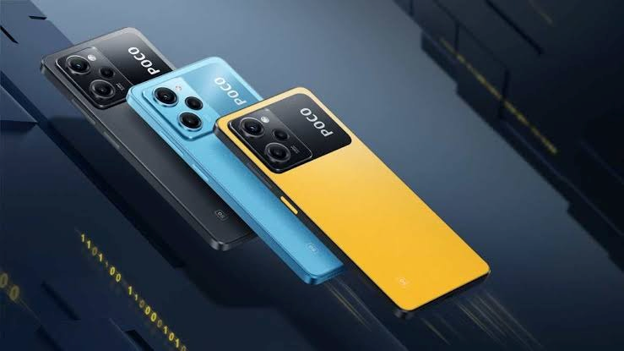
Poco's strategy is the most straightforward of the three: aggressive pricing paired with performance-focused hardware, explicitly targeting gamers and younger audiences as its core identity. The Poco F6 has become a standout pick under ₹30,000 specifically for its combination of a high-performance chipset and respectable thermal handling at that price point, while devices like the Poco X8 Pro Max extend that same value-first approach further down the lineup with large batteries and capable camera hardware at aggressive pricing. That positioning has made Poco a genuine favorite for buyers who've essentially decided gaming performance matters more than camera refinement or premium build materials, a fairly specific but sizable slice of the market.
The Uncomfortable Numbers Behind the Rivalry
Here's where the story gets more honest than a simple three-way growth narrative. According to IDC data tracked through Q1 2026, Realme's market share sat at roughly 8.8%, Poco at 3.8%, and iQOO at just 1.9%, and all three brands were specifically flagged as having lost ground that quarter, even as rivals Oppo and Motorola gained. The fight for India's young gaming-phone buyer hasn't cooled off, but none of these three specific brands were winning it outright heading into 2026, at least by shipment share. That doesn't mean the underlying strategy has failed. It more likely reflects how genuinely crowded this segment of the Indian market has become, with newer entrants and established rivals alike chasing the exact same customer with increasingly similar specs at increasingly similar prices.
What This Means If You're Actually Shopping
If flagship-adjacent raw performance and thermal consistency matter most, iQOO's lineup, particularly the 12 series, remains a genuinely strong pick in the ₹30,000-₹50,000 range. If you want the widest possible selection across every price point with strong specs-per-rupee, Realme's breadth is hard to match. If price is the single deciding factor and you're shopping under ₹30,000 specifically, Poco's F-series and X-series continue to deliver real gaming capability without the premium markup.
FAQs
1. Which brand offers the best value gaming phone under ₹30,000 in India?
The Poco F6 is widely considered one of the strongest picks in that price range, offering a high-performance chipset and solid thermal management for its cost.
2. Is iQOO better than Realme for gaming specifically?
iQOO tends to prioritize flagship-chipset performance and thermal management more directly, while Realme spreads flagship-adjacent specs across a much wider range of price points.
3. Are Realme, iQOO, and Poco gaining or losing market share in India?
As of Q1 2026, IDC data showed all three brands losing market share year-on-year, even as rivals like Oppo and Motorola gained ground in the broader, contracting Indian smartphone market.
4. What makes a phone good for mobile gaming specifically?
A capable chipset, a high refresh rate display, and strong thermal management to prevent performance throttling during long sessions are the key factors gaming-focused buyers typically prioritize.
Latest Posts