
Sim-to-Real Acceleration How Photorealistic Physics Engines Train Physical Humanoid AI Before Real-World Factory Deployment
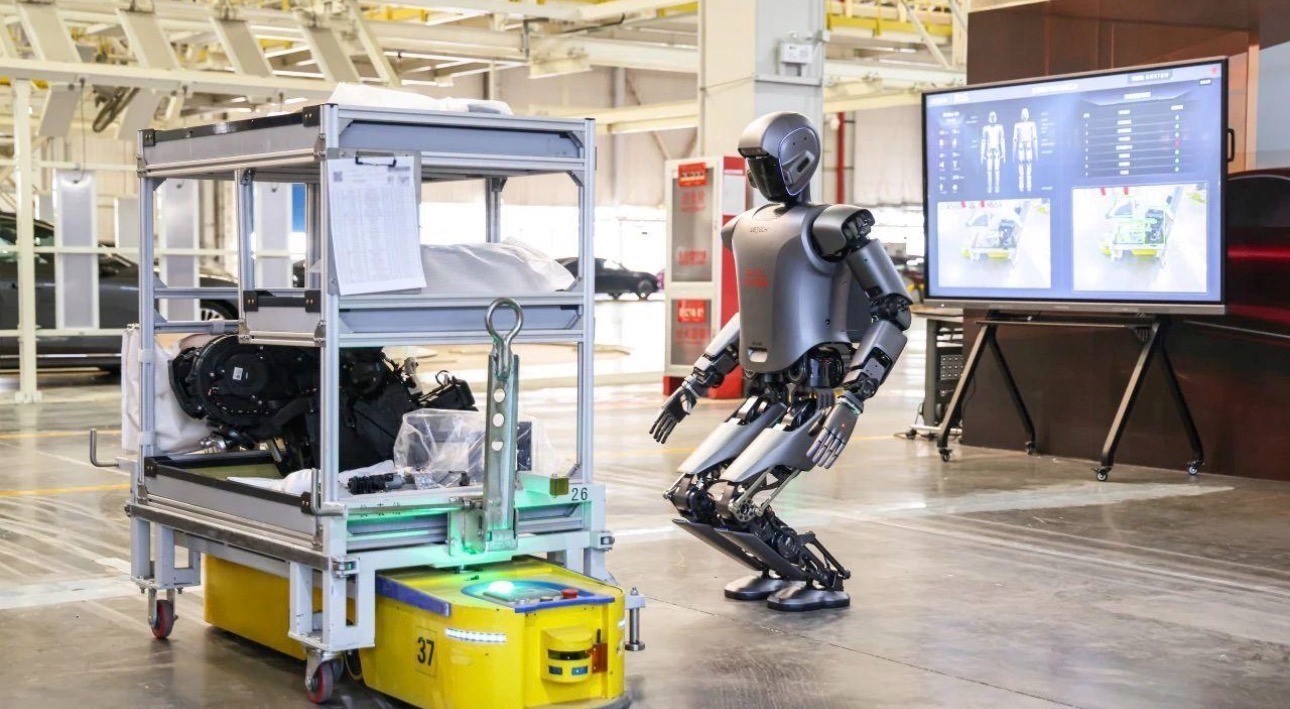
They can learn to do physical tasks in the real world. Robots are being trained to work alongside humans in factories and warehouses. They can help bring together and move objects around.
Training robots in real-life situations is expensive and takes a lot of time. It can also be risky. To avoid these issues top companies in AI and robotics are using a method called Sim-to-Real learning. This method trains robots in computer simulations before they are used in the real world. The simulations look very real which helps robots learn effectively. By using Sim-to-Real learning companies can train robots safely and efficiently. This approach helps robots learn to work with humans.
Why Sim-to-Real Training Has Become Essential
When we train robots that look like humans in factories a lot of problems come up. If the robots make mistakes the machines can break work can come to a stop and the people around them can get hurt. These robots have to try things over and again thousands or even millions of times to do simple things like pick up objects move around in a complicated space or use a machine.
Sim-to-Real Learning is a way to solve this problem. It lets robots train in environments that are very realistic. In these environments if the robots make mistakes nothing bad happens. The people who design the robots can put them in situations change the environment and even add unexpected obstacles. This makes the robots better at making decisions. Once the robots do well in the simulations we can successfully teach the things to real robots.
The Rise of Photorealistic Physics Engines
However robotic simulations today are not just about graphics. Systems like NVIDIA Omniverse and Isaac Sim do more. They use physics to show how objects interact, collide and change shape. These systems follow rules like gravity, friction and how materials react.
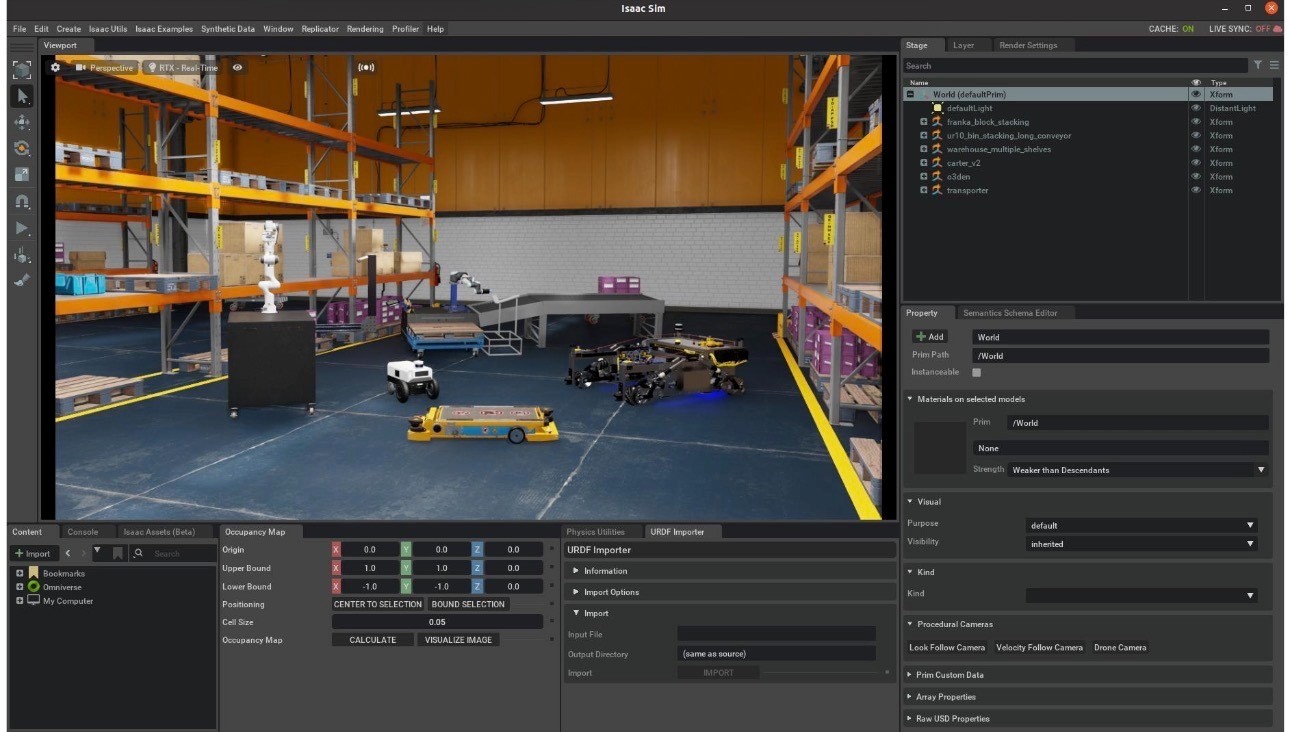
This kind of simulation is crucial for humanoid robots. To pick up a cardboard box a robot needs to know the boxs weight, texture and balance point. When opening a factory door the robot must use the right amount of force. Going up stairs requires the robot to adjust its posture all the time. Robots can practice these interactions many times in simulations before they even go to the factory.
Digital Twins Are Becoming Virtual Training Grounds
Digital twins are really helping Sim-to-Real get things done and speed up the process. A digital twin is like a copy of a real place. It keeps updating all the time.
We can make a version of a whole factory. This includes production lines, conveyor belts, robot stations, lighting, warehouses, machines and more. A humanoid robot can practice in this copy before going to the real factory. The virtual and real factories are very similar. So the robot is ready for anything that might happen. Engineers can also try changing the factory design. They can make production better without stopping anything.
Millions of Simulated Experiences Create Better Robots
Whereas humans learn from experience and practice robots learn by repeating actions millions of times. For example a humanoid robot can do millions of exercises like grasping, moving around handling objects and recovering in a short time. This practice in a simulated setting helps AI learn to deal with situations in real-world factories.
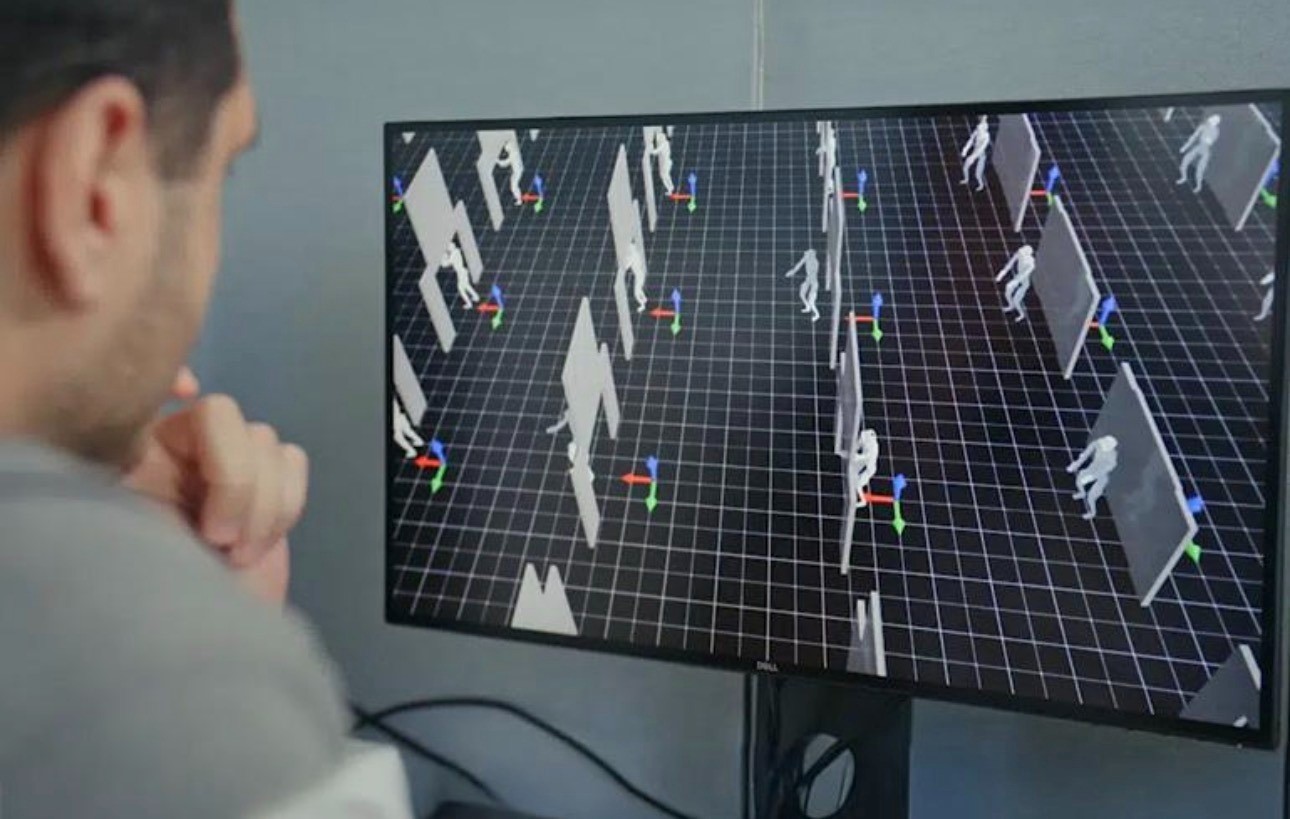
In addition there is a method called domain randomization. It involves changing things like lighting, shapes, surfaces, friction and sensor errors in an environment. This way the robot does not just learn to work in one situation. When the robot is used in a factory it will be ready for unexpected things.
Humanoid Robots Are Moving Closer to Factory Floors
The main goal of the Sim-to-Real training system is to get robots ready for work, that is, make them useful in real-life situations. Companies are making robots that can do things like move materials put things together check equipment and use tools.
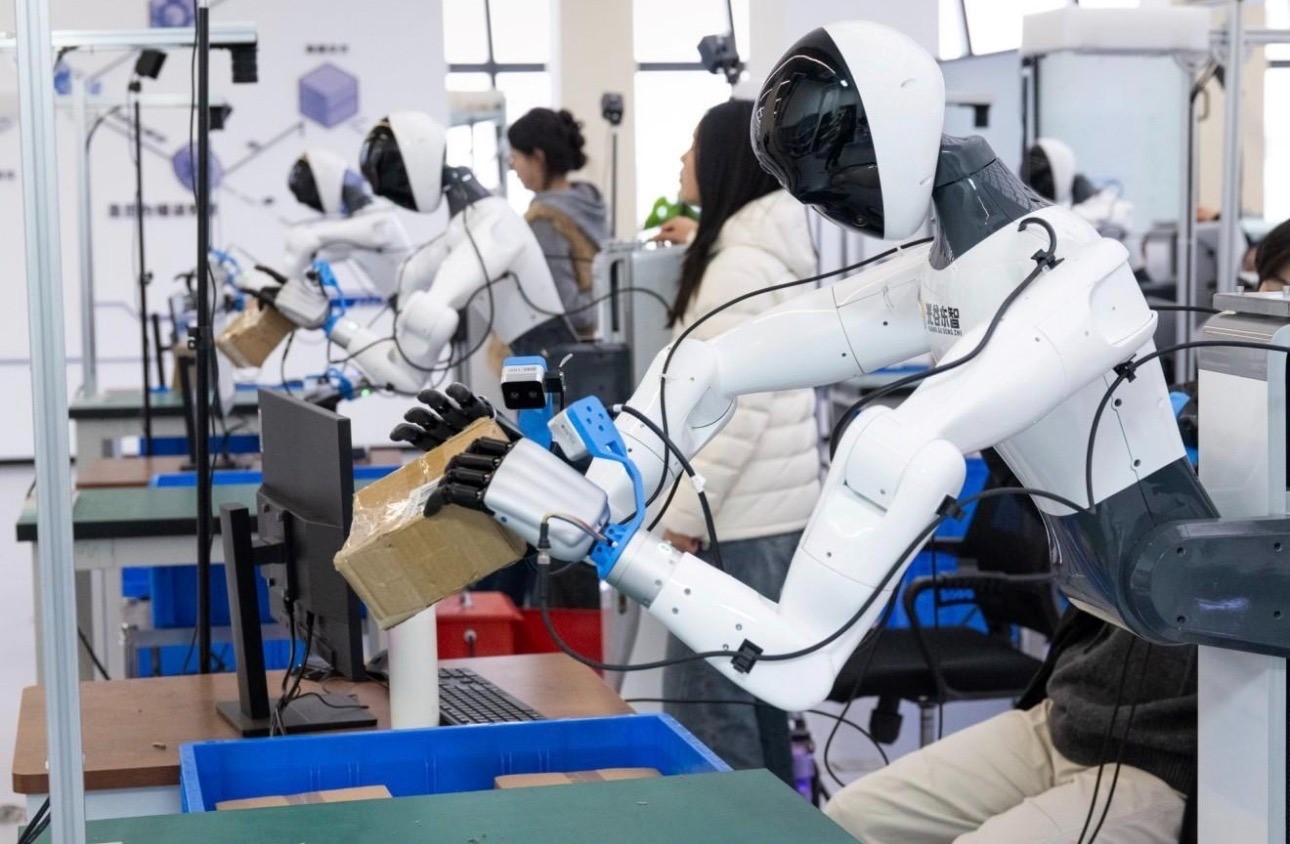
Before these robots can start working they are trained using simulations. This means they practice each step many times in many different situations. The Sim-to-Real training system makes it easier to introduce robots into the industry because engineers do not have to spend much time fixing basic problems with the robots.
Foundation Models Are Giving Robots General-Purpose Skills
People are making discoveries with Artificial Intelligence. Artificial Intelligence is now being used in robotics not just in understanding what people say. Scientists are working on Artificial Intelligence foundation models for robots. These Artificial Intelligence foundation models will be able to learn lots of skills, not just one thing.
The Artificial Intelligence foundation model uses computer vision understanding what people say planning movements and learning from rewards to help robots understand what people want them to do and get used to places. When the Artificial Intelligence foundation models are trained using realistic computer simulations they get to practice lots of different things before they actually control a real robot. The robots learn general things like how to balance avoid things open doors organize things and respond to voice commands.
Challenges Still Limit Sim-to-Real Transfer
Despite all the advancements making robots adjust to life through skill transfer is still a huge challenge for robotics. No matter how good the physics engine is it can’t perfectly replicate the world. Small differences in lighting, material properties, sensor accuracy, surface friction object condition and even human behavior can affect how robots work in real life.
Scientists are working on making simulations more accurate and creating an AI system that can quickly adapt to the differences between real life and virtual training. The goal is to improve how well robots can handle real-life situations.
The Future of Physical AI Begins in Simulation
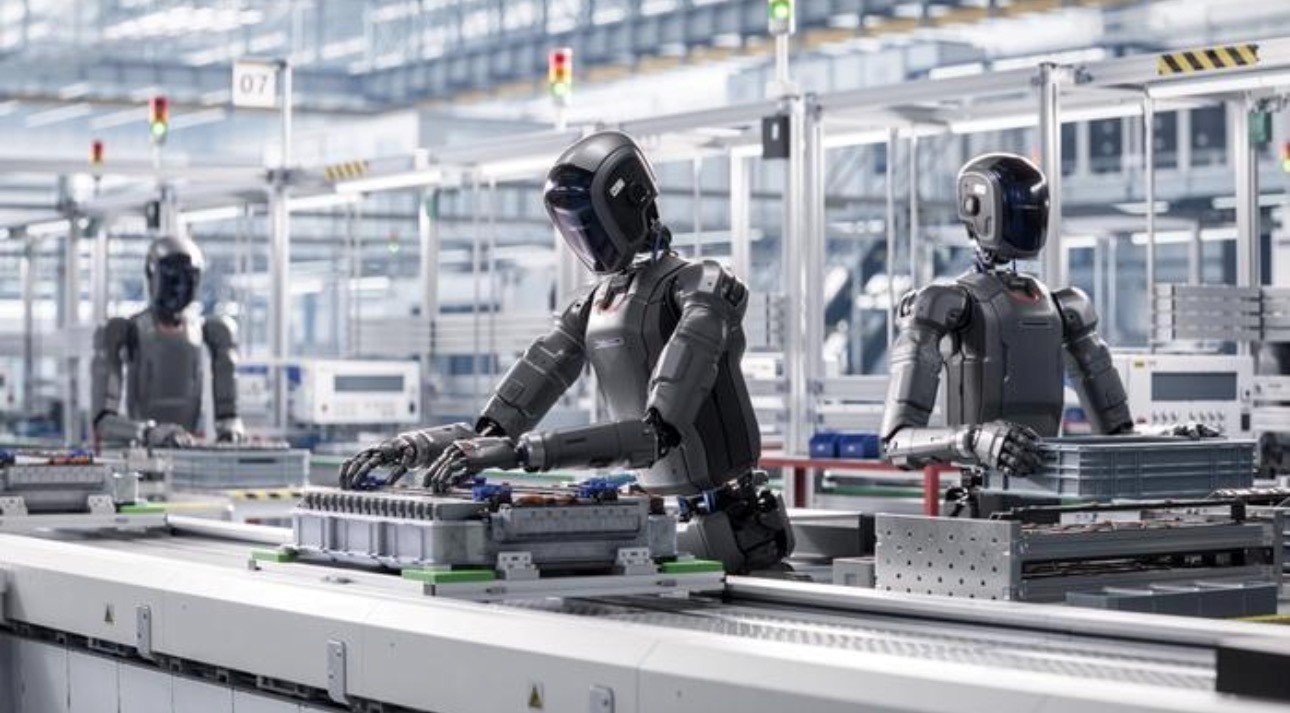
Therefore, simulations are becoming a part of creating future AI robots. They won’t replace real-world tests. Simulations help reduce costly and risky training. Robot makers use simulations to teach robots skills. For example robots can practice in factories, warehouses and hospitals before going to work.
Companies working on this tech know that better robots need virtual training spaces. Simulations will help robots learn and improve faster. Sim-to-Real Acceleration is a technology that makes intelligent automation possible. It enables robots to transition from simulations to practical applications. The aim here is to increase the intelligence of robots in practical uses. Simulations are going to be part of the process.
Latest Posts