
Simple Car Maintenance Checks You Can Do at Home in 10 Minutes
If you’ve ever ignored a warning sign because you were “too busy,” this guide is for you.
Why Quick Car Checks Matter More Than You Think
Many car problems don’t happen suddenly. They develop slowly through neglect—low fluids, worn tires, loose connections, or small leaks. A few minutes of attention can prevent roadside emergencies, poor fuel efficiency, and unnecessary service visits.
Think of these checks as preventive care for your vehicle. They don’t replace professional servicing, but they make sure your car stays healthy between visits.
1. Check Your Tire Pressure and Condition
Tires affect everything—from safety to fuel efficiency.
Start by visually inspecting all four tires. Look for uneven wear, cracks, or bulges on the sidewalls. These signs can indicate alignment issues or aging rubber.
If you have a tire pressure gauge, check the air pressure and compare it to the recommended level (usually listed inside the driver’s door). Underinflated tires reduce mileage and increase wear, while overinflated tires affect handling.
This entire check takes less than two minutes but has a big impact on performance and safety.
2. Inspect Engine Oil Level
Low or dirty oil can damage your engine over time.
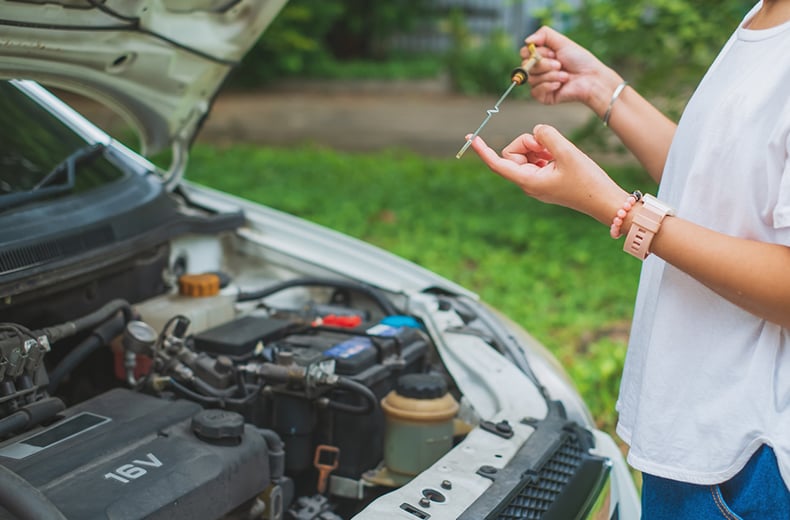
With the engine off and cooled, pull out the dipstick, wipe it clean, insert it again, and pull it out to check the oil level. It should fall between the minimum and maximum marks.
Also observe the oil’s color. Fresh oil looks amber, while very dark or gritty oil may indicate it’s time for a change.
This simple habit helps extend engine life and keeps your car running smoothly.
3. Look at Coolant and Other Fluid Levels
Fluids keep your car functioning properly, and low levels can cause overheating or system failure.
Check the coolant reservoir (never open it when the engine is hot). The level should be between the minimum and maximum lines.
While you’re there, take a quick look at:
-
Brake fluid
-
Windshield washer fluid
-
Power steering fluid (if applicable)
You don’t need to top everything up every time—just knowing the levels can alert you to potential leaks or issues.
4. Test All Exterior Lights
Lights are essential for visibility and safety, yet many drivers don’t realize a bulb is out until someone points it out.
Turn on your headlights, brake lights, indicators, and hazard lights. Walk around the car to confirm everything is working properly.
If you don’t have someone to help, reverse near a reflective surface or wall to check brake lights.
This check improves safety instantly and helps you avoid fines or inspection failures.
5. Check Windshield Wipers and Washer Spray
Clear visibility is critical, especially in rain or dust.
Lift your wipers and inspect the rubber blades. If they look cracked, hardened, or uneven, they may need replacement. Worn wipers leave streaks and reduce visibility during bad weather.
Spray the windshield washer fluid to ensure it’s working properly and that the nozzles aren’t blocked.
This is a small check that makes a big difference when weather conditions change suddenly.
6. Listen for Unusual Sounds When Starting the Car
Your car often tells you when something is wrong—if you listen.
Start the engine and pay attention to any unusual sounds like clicking, grinding, or squealing. These noises may indicate issues with the battery, belts, or starter.
Also observe how smoothly the engine idles. Rough idling or vibrations could point to minor issues that are easier to fix early.
This check requires no tools—just awareness.
7. Look Under the Car for Leaks
Before driving off, glance under your car for any wet spots or puddles.
Clear water from the air conditioning system is normal, but colored fluids—green, brown, red, or oily patches—are not.
Catching leaks early can prevent engine damage and expensive repairs later.
8. Inspect Battery Terminals (Quick Visual Check)
You don’t need to touch anything—just look.
Check the battery terminals for corrosion, which appears as white or bluish powder. Corroded terminals can lead to starting problems or electrical issues.
If you notice heavy buildup or loose connections, it’s best to get it checked before it leaves you stranded.
How to Make This a 10-Minute Habit
The secret isn’t doing all these checks every day—it’s consistency.
Choose one day a week or once every two weeks. Many people do these checks while waiting for their car to warm up or before a long drive.
You can even pair it with another habit, like cleaning your car or checking fuel levels.
Over time, these quick checks become second nature.
When Home Checks Aren’t Enough
While these simple inspections are powerful, they don’t replace professional servicing.
If you notice warning lights, strong odors, persistent noises, or performance changes, it’s important to consult a professional.
Think of home checks as early detection—not complete diagnosis.
Final Thoughts: Small Effort, Big Payoff
Taking 10 minutes to check your car can save hours of inconvenience and thousands in repair costs. More importantly, it helps keep you and your passengers safe on the road.
Car maintenance doesn’t have to be complicated or time-consuming. With a little attention and consistency, you can keep your vehicle running smoothly—right from your driveway.
Latest Posts