
Sugar, Nykaa, Colorbar How Homegrown Makeup Brands Are Beating Global Giants
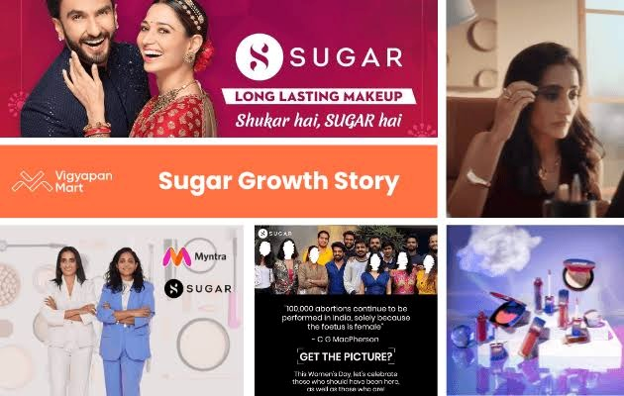
Nykaa didn't beat the global giants so much as become the platform they now depend on to reach Indian consumers, with net revenue growth expected in the high-20% range for Q4 FY26. Colorbar has quietly held its ground as a premium domestic name with genuine retail presence in India's biggest cities. None of this means international brands are losing outright, but in the categories that matter most to everyday Indian shoppers, homegrown names have built real, defensible territory.
Why "Beating" Global Giants Needs a Bit of Nuance

India's cosmetics market is roughly a $25.57 billion opportunity growing at an 8.28% compound annual rate, and it's currently the fastest-growing major beauty market in the world. That scale is exactly why the competitive landscape looks the way it does: L'Oréal and Estée Lauder haven't been pushed out, they've largely shifted toward premiumization and urban dominance, leaning on brand equity built over decades. Domestic players, meanwhile, have leaned into cultural insight and price accessibility to win tier-2 and tier-3 cities, markets the global giants have historically been slower to penetrate seriously. That's the real shape of the competition. It's not one clean winner-takes-all fight, it's homegrown brands claiming specific, high-volume territory that international names either ignored or arrived late to.
Sugar Cosmetics: Winning Through Formulation, Not Just Marketing
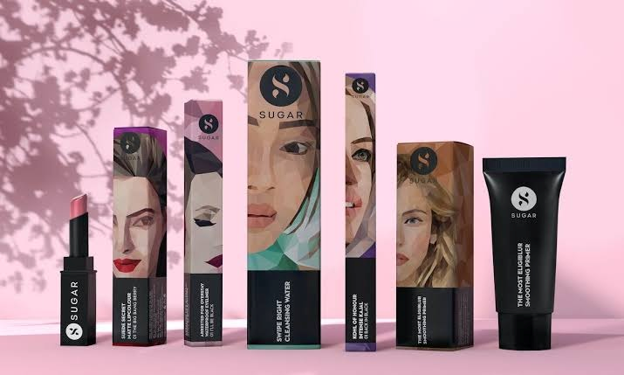
Sugar's actual competitive edge has always been more technical than most people assume. Co-founder and CEO Vineeta Singh built the brand around a specific, well-documented gap: India's color cosmetics market is roughly 85% offline, and much of what was available didn't hold up in Indian conditions, whether that meant matching darker skin tones with real pigmentation or surviving 35-degree humidity without melting. Sugar built its formulations specifically to solve both problems, and that focus helped it become the only Indian-born color cosmetics brand to reach significant pan-India omnichannel scale without being acquired by a multinational.
The financial story here is genuinely a comeback arc worth knowing. Sugar's FY25 revenue actually fell to around ₹405 crore, with losses widening to roughly ₹134 crore, a rough patch by any measure. But following an August 2025 Series D round led by L Catterton, the firm with deep ties to LVMH, Sugar turned things around: revenue climbed to ₹505 crore, up 20% year-on-year, and the company posted its first profitable year with an ₹18 crore net profit. It now counts more than 50,000 retail partners across 550-plus cities, alongside sub-brands like SUGAR POP for tier-2 and tier-3 price-sensitive shoppers and SUGAR Play targeting a teen category that barely existed in Indian beauty retail before.
Nykaa: Less a Competitor to Global Giants, More Their Gateway In

Nykaa's win looks different from Sugar's, and arguably more structurally powerful. Rather than fighting L'Oréal and Estée Lauder for shelf space, Nykaa built long-term strategic partnerships with them, becoming the platform through which those global names actually reach Indian consumers at scale. Nykaa Luxe now carries brands like Charlotte Tilbury, Estée Lauder, and MAC, and the company recently named Lisa Haydon as a muse to strengthen its prestige beauty positioning further. At the same time, Nykaa has been quietly building its own house of brands into a genuinely significant business. Dot & Key scaled to a roughly ₹1,900 crore annualized GMV run rate, growing 100% year-on-year in one recent quarter alone. Kay Beauty, the brand fronted by actor Katrina Kaif, grew 56% to ₹250 crore in GMV and is expanding into Space NK in the UK. Nykaa Cosmetics itself hit ₹350 crore in GMV, with new product launches contributing a fifth of sales. Reuters has reported Nykaa expecting net revenue growth in the high-20% range for the fourth quarter of fiscal 2026, its fastest pace in three years. That's a company winning on two fronts simultaneously: as the indispensable retail gateway for global beauty brands, and as a builder of its own increasingly valuable private label portfolio.
Colorbar: The Quiet Premium Domestic Player
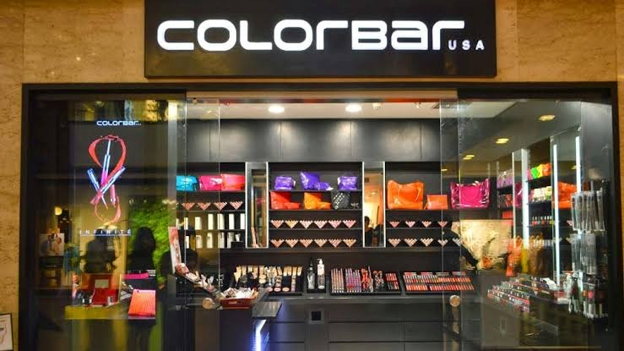
Colorbar doesn't generate the same headlines as Sugar or Nykaa, but it's carved out a durable position as a premium Indian color cosmetics brand with genuine retail presence across major cities, known for trendy formulations and consistent quality rather than any single breakout moment. In a market increasingly crowded with new D2C entrants chasing viral growth, Colorbar's steadier, retail-anchored approach represents a different, quieter kind of staying power.
The Part of the Story That Doesn't Get Told Enough
Here's what's genuinely worth being honest about: this sector's growth hasn't translated into profitability for everyone. Pilgrim doubled its revenue while still losing money. Sugar itself lost significant ground before its recent turnaround. Purplle managed to grow while meaningfully cutting losses, arguably the more instructive success story of the bunch. That's not a picture of homegrown brands uniformly crushing it financially, it's a picture of a genuinely competitive, still-maturing market where growth and sustainable profit don't automatically arrive together, even for the winners.
FAQs
1. Has Sugar Cosmetics become profitable?
Yes, after a rough FY25 where revenue fell and losses widened, Sugar posted its first profitable year following a 2025 Series D funding round, with revenue climbing 20% year-on-year to ₹505 crore.
2. Is Nykaa actually competing against global beauty brands?
Not directly in most cases. Nykaa has built strategic partnerships with brands like L'Oréal and Estée Lauder, functioning as their primary gateway into Indian consumers while also growing its own private label portfolio.
3. Why have homegrown brands succeeded in India's beauty market?
Largely through formulation tailored to Indian skin tones and climate, stronger penetration into tier-2 and tier-3 cities, and pricing accessibility that global premium brands have been slower to prioritize.
4. Are all Indian D2C beauty brands profitable?
No. Several, including Pilgrim, continue growing revenue while posting losses, showing that rapid growth in this market hasn't automatically translated into sustainable profitability across the board.
Latest Posts