
The Cat-Human Cancer Connection

The Study That Mapped Feline Cancer Genetics
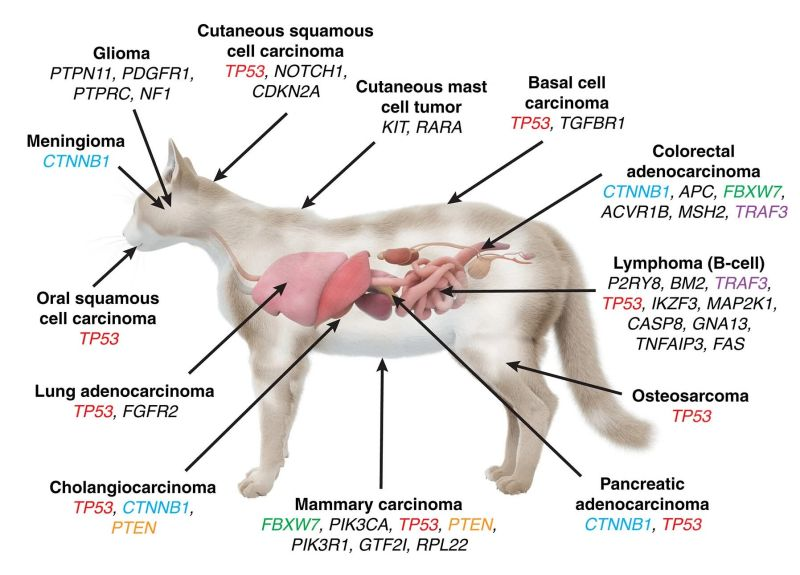
DNA sequencing was conducted by researchers from the Wellcome Sanger Institute, Cornell, Ontario Veterinary College, and University of Bern across 13 different cancer types using 493 cat tumour samples to build the first large scale genetic blueprint for feline cancer.
The team screened approximately 1000 genes previously identified as drivers of human cancers to compare the mutational profiles of pet cats in five countries with corresponding human and dog tumour profiles.
Results indicated similar patterns of cancer between cats and humans for various cancer types. Given that cats are known to share 90% of their total genome with humans, having concurrent oncogenes does not come with any huge shocks; however, the two also have similar hotspot sites. TP53, which is the most frequently mutated gene in human cancers, also represents the most frequently mutated gene in feline tumours.
Breast Cancer: The Strongest Shared Signal
The emergence of a strong parallel to human breast cancer is significant in the development of feline mammary cancer. This study identified 7 driver genes with mutations on the FBXW7 gene detected in more than 1/2 of cats diagnosed and treated with aggressive tumours in contrast with aggressive human breast tumours, similar to what has been reported in the literature regarding poorer prognosis.
The laboratory studies also showed that some of the chemotherapeutic agents utilized in treatment provide better treatment outcomes in those cats with FBXW7 mutant tumours which suggest they may also be therapeutic targets across species.
The overlap of feline versus human breast cancers is significant because the feline mammary carcinomas are very aggressive and similar to those of triple negative human breast cancer (i.e. TP51). The data presented here provides a publicly accessible database.This could potentially speed up the process of discovering new drugs by allowing for research across different species.
Environmental Exposure
The Importance of Cats Cats and humans share living spaces, breathe the same air, often eat the same food, and are likely exposed to the same chemicals.
All of these factors make these two species ideal environmental cancer sentinels. Further, cat and human health outcomes due to environmental pollution (such as urban air pollution), the use of household cleaners (which may contain many of the same chemicals found in the human environment), smoking tobacco products, and other forms of environmental pollution, have demonstrated very similar health effects for both species. According to Prof. Geoffrey Wood from Ontario Veterinary College, investigating the cancer cases of our pets will provide valuable insights into how our environments can impact our risk of developing cancer.
Business Angle: Health, Insurance, and Pet Care
The implications of cat cancer research can impact how organizations support the health of their employees (e.g., executive wellness), the insurance industry, and pet markets. For example, companies with pet friendly policies or executive health programs could identify and screen for shared risk factors (e.g., FBXW7 mutations).
The overlap of humans and pets in terms of common environmental triggers will also allow insurers to offer a dual policy for both humans and pets based on the risk of developing cancer.
With the global market for pet cancer expected to exceed $2B, the development of therapies for both humans and pets through cross species methods will continue to grow. As veterinary biotechnology companies focus on delivering therapies for feline mammary cancer, they will have the opportunity to license those results for human and veterinary use, creating two revenue streams.
Indian Perspective: Urban Pets, Rising Cancer Rates
Urban pet ownership in India, especially cats, has increased in recent years, and there are concerns about the parallels between the exposure to pollution and toxins that many pet owners experience, and their risk of cancer. This issue is compounded by the high prevalence of feline mammary cancer in unspayed female cats. Recognizing the link between human and cat cancer may motivate greater awareness of the need for earlier screening of both cats and their owners.
Veterinary suppliers in India, such as Heads Up For Tails and Mars Petcare, are experiencing an increase in demand for genetic testing and targeted chemotherapy for pets. It is possible that human cancer specialists will follow a household’s cancer history in pets as a way of predicting future cancer risks to children living in urban centres. Similarly, government-sponsored pet health initiatives are likely to coincide with nationwide cancer prevention efforts.
What This Means for You
The research does not assert that cats cause cancer in humans, or vice versa: it focuses on the fact that cats and people share the same biological and environmental factors that may lead to the development of cancer. The study also suggests some practical recommended practices for reducing the risk of death due to breast cancer in cats, including routine veterinarian screening for an adequate supply of mammary tissue (frequency of visits).
Developing a routine veterinary appointment for your cat will ensure that you are doing everything you can to provide for your pet's health in the same way you would for any other member of your family. Be alert for signs that your cat may be ill, such as lumps, weight loss, lethargy, etc., as these can also indicate that the two of you are both experiencing the same disease. The study's findings confirm a connection between cats and humans regarding cancer. This allows pet owners and business leaders to use cat health data to gather important health information about themselves and their families, in a way that is both effective and preventive.
Latest Posts