
The Cute Identification Of Flaws And How Acne Acceptance Is Reshaping Social Beauty Standards
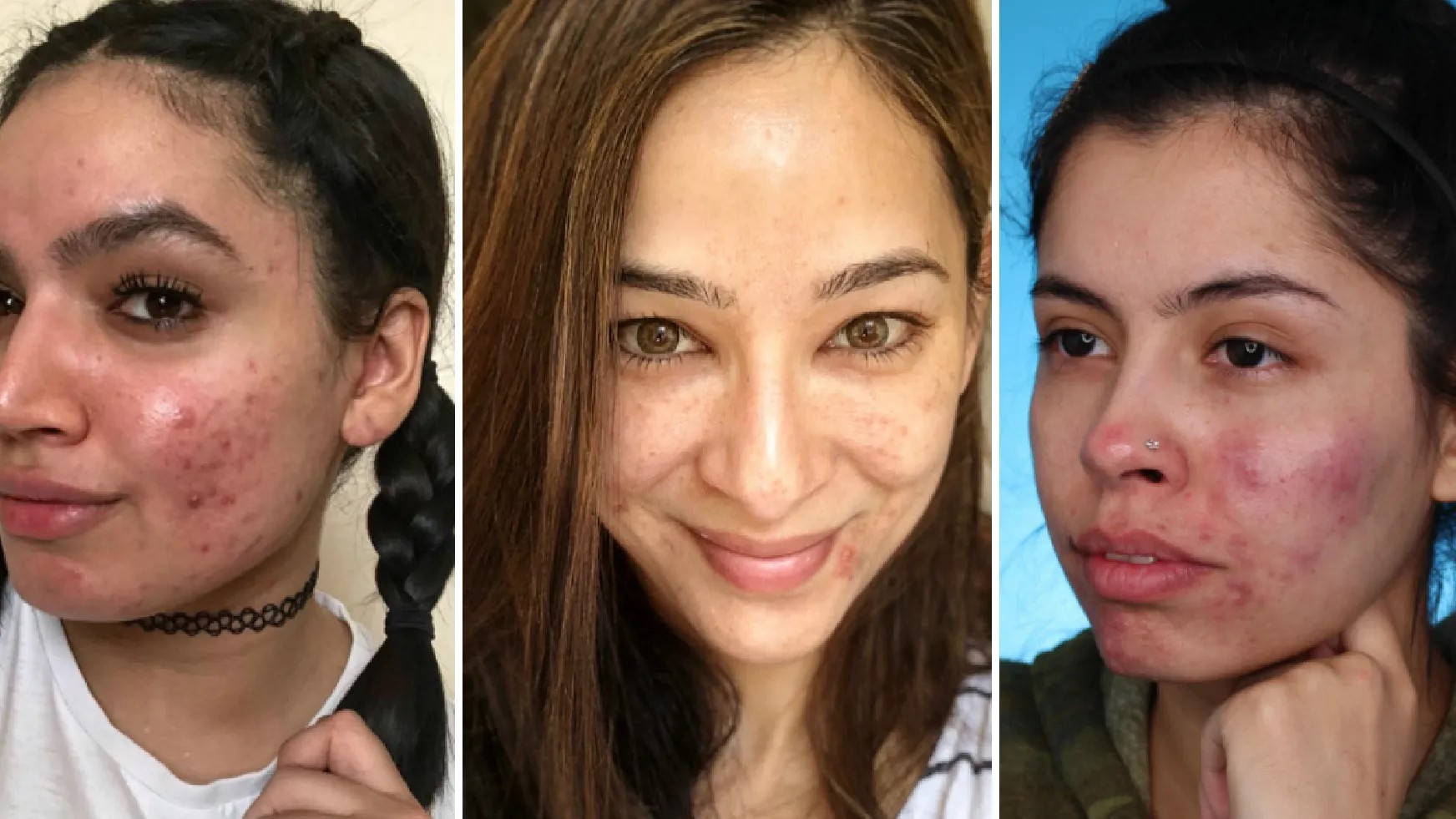
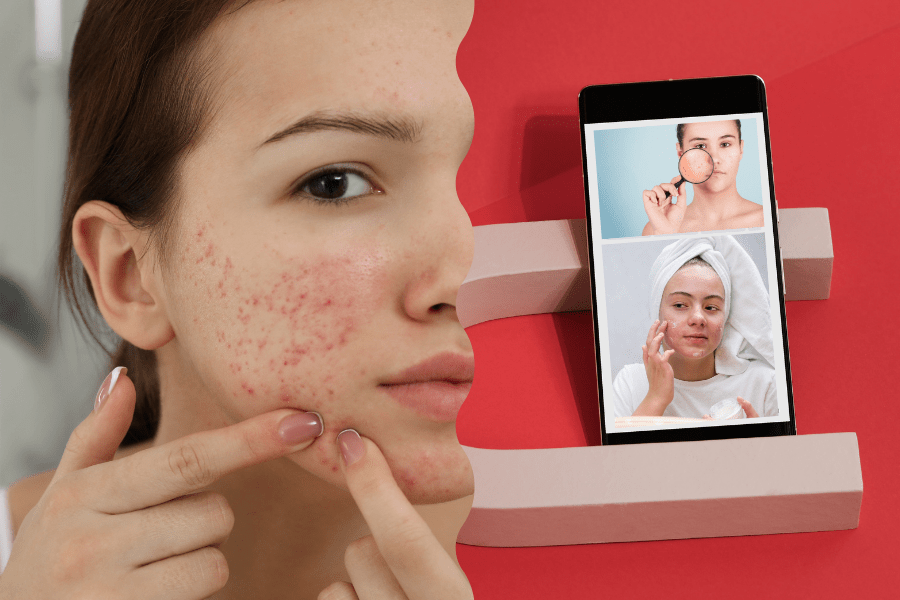
Acne acceptance is now part of larger conversations on what an attractive appearance is, how polished an appearance is, and how “finished” it is. For the digitally driven, beauty is influenced equally by community behavior and online storytelling, as it is by product advertising.
From concealment to visibility
From the beginning of time, there were rules about hiding flaws rather than accepting them for what they were. Generally, acne, redness or scarring were viewed as 'problems' to 'fix' before anyone could see them, however, this mindset has existed for years but has also recently been challenged by the current generation and younger consumers who show their skin exactly how it is.
Some may feel that the aspects of this change is indulgent, but thats not the case. It is rather rooted deeply in a change of emotions and people’s feelings towards a particular flaw. Instead of treating acne as failure, many people today treat it as something normal and part of being human. This change is very subtle, but still has a tremendous impact on how consumers buy beauty products and their emotional bond to those products.
Why “cute flaws” are catching on
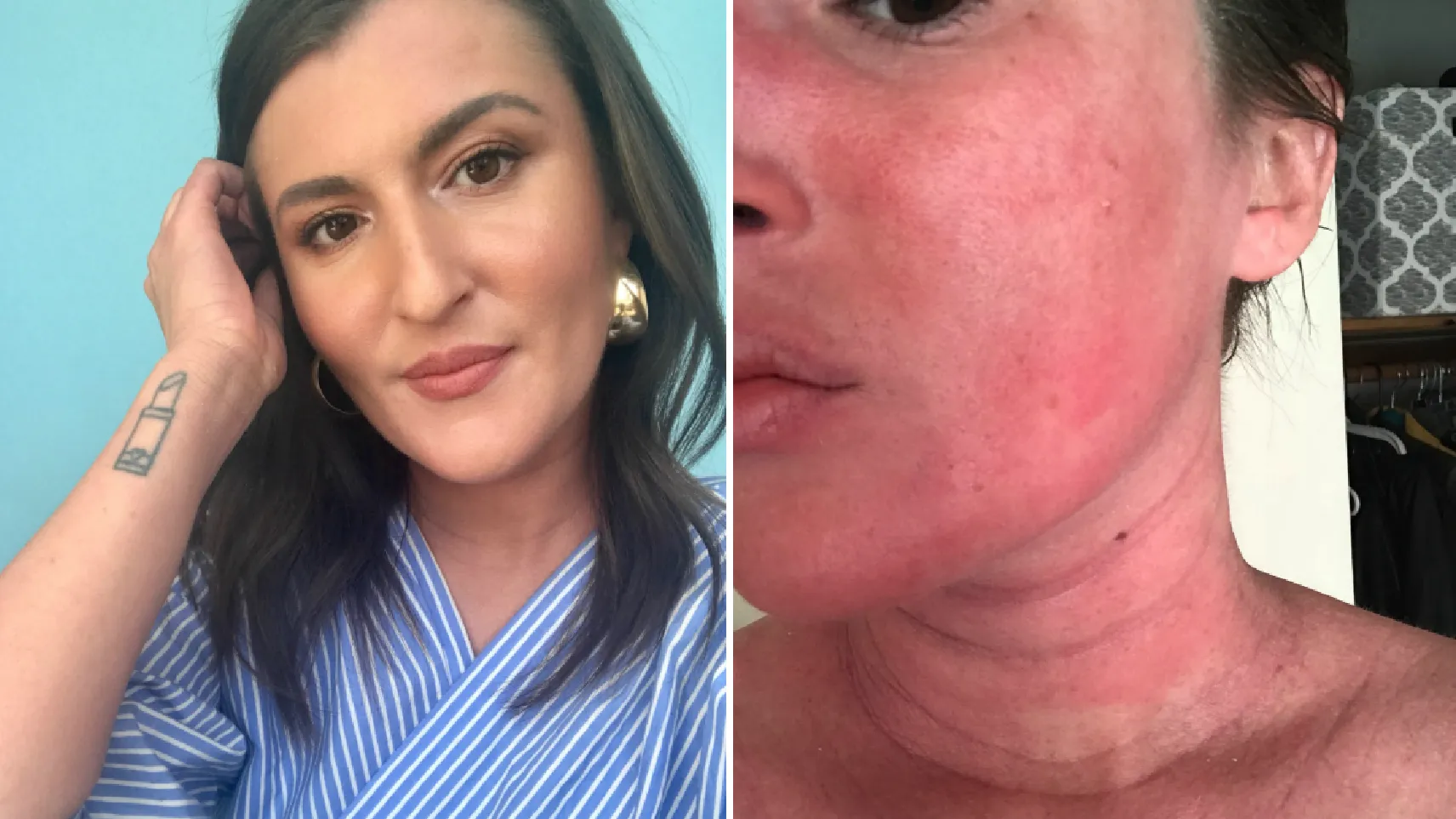
Today's visual culture easily embraces the idea that flaws are cute and real. Social media platforms offer more rewards for being authentic, relatable, and gentle (or soft) than they do for being perfect. A visible protruding acne bump, uneven skin, or residual scarring from a major breakout can all now be seen as honest, approachable —even cute—if the person behind these flaws appears to have no shame in sharing them.
This does not mean that suddenly everyone loves acne. Rather, it means that there is an ever-increasing number of people rejecting the emotional toll that comes with having acne. The emphasis of beauty discussions has shifted from "How do I hide this?" to "How can I create a way to live my life with these imperfections without feeling less than?" This is a much healthier conversation and one that resonates with a wide segment of an audience who have grown fatigued by unrealistic ideals of beauty found in typical media.
The role of creators and community
Through normalizing this shift, the creators have greatly impacted people's perceptions of bare skin (i.e., large following). People can see bare skin posted and that becomes more normalized in society, making it much easier to talk about acne openly. Therefore, showing your make-up free days can help with reducing the notion of acne as a private embarrassment and instead make it more of a common experience. With increased exposure from brands and creators, consumers are more likely to trust someone who has created a relationship through constant touchpoints (e.g. creator partnerships).
This is where skin positivity becomes important as a market force. No longer will brands be able to solely rely on messaging about correcting imperfections (e.g. flawless skin). Brands will also need to provide emotional reassurance, self-acceptance and skin health messaging in a way that feels real versus performative. Brands who are not delivering this type of message in an authentic way will be easily recognized by audiences and will not receive positive rewards because of it.
What this means for beauty brands
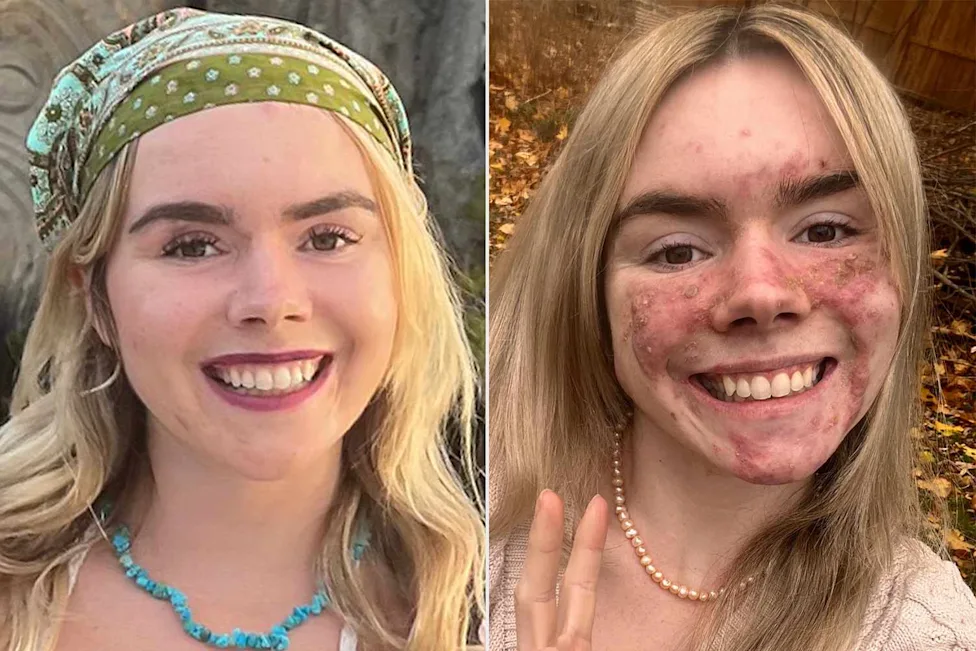
Acne Acceptance Signals: Brands do not view acne acceptance as a threat; rather, it is a signal indicating there is still a demand for products helping acne sufferers with breakouts. Thus, customers have become less interested in brands using shame-based messaging and more interested in brands using encouragement as their messaging. This shift represents a significant change in how products will be branded, particularly within skincare; the contrast between 'fix your face' (shame) vs 'care for your skin' (support) can result in drastically differing reaction from the product and ultimately your customers.
Representation is also affected due to Acne Acceptance. Campaigns that visually show consumers with acne-prone skin, demonstrating visible skin texture, along with realistic lighting are considered more trustworthy by the digital-native generation. These consumers do not require an aspirational image in the traditional sense. Instead, the image must be emotionally true. In most instances, truth presently converts better than polish.
Beauty standards are getting softer
This broader cultural adjustment involves the movement of standards for defining "beauty." While there is still an emphasis placed on how we present our physical selves, people are becoming less inclined to prioritize "perfect" (flawless/ideal) skin as "the only way you can be beautiful." By allowing for more diversity and honesty in what we define as "beautiful", & also providing more opportunities to convey our individual differences, society is moving toward a more analytical approach to beauty.
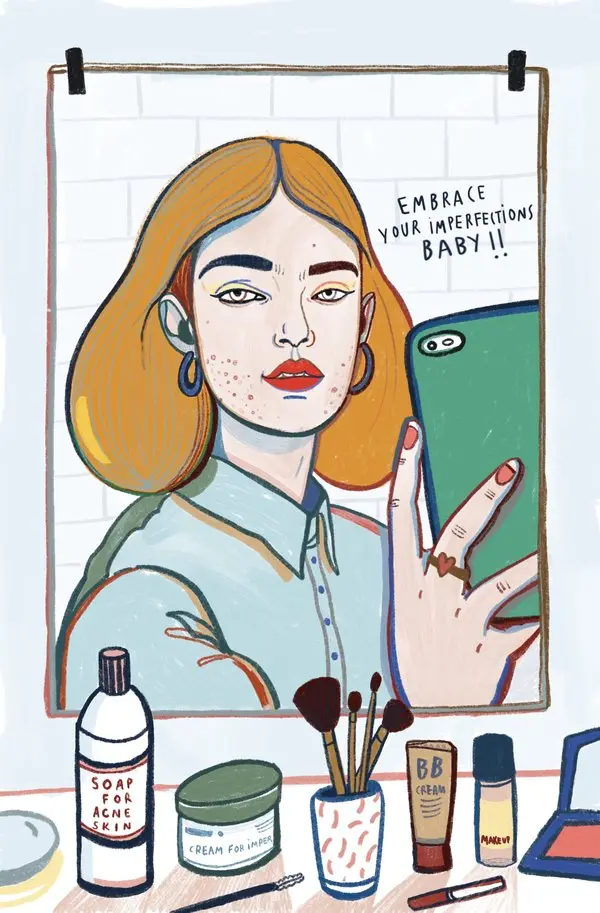
This is also an indication that we (as a society) are growing fatigued with the definition of perfection. In today's digital age of "always on" and as we are accustomed to being under the pressure of being competent, confident, and in charge, it can be liberating to allow for flaws or imperfections to exist within oneself! Thus, acceptance of acne is therefore not merely a "trend" in beauty, but rather, it is a reflection of the overall "mood" around the world.
The business case for authenticity
From a business perspective, this transition is something that should be monitored very closely. Consumers are becoming more attracted to brands that show an emotional literate understanding. Consumers want products that help them improve their skin; they want products that will improve their skin and brands that promote that through messaging which recognizes and understands their experiences as individuals. Younger generations, such as Gen Zs and Millennials, show a stronger preference for honesty rather than aspiration when conflicting messages from brands occur.
The brands that will succeed here are those that can differentiate between encouraging acceptance and invalidating someone’s real concerns about their skin’s appearance. In other words, consumers want to hear that acne is NOT unimportant; they want to hear that having acne does NOT make them any less deserving of love, respect or beauty. That is a very subtle distinction, but it makes all the difference.
The increase in acceptance of acne indicates that society’s understanding of beauty is more about re-thinking something than it is about hiding or changing something that may be wrong with someone. When looking at beauty through the lens of a visual society like current day digital society, this shift indicates one of the biggest and most long standing evolution changes.
Latest Posts