
The EV Cold-Weather Survival Guide How to Maintain Battery Range During Winter Spells
Why Cold Hits EV Battery Range So Hard
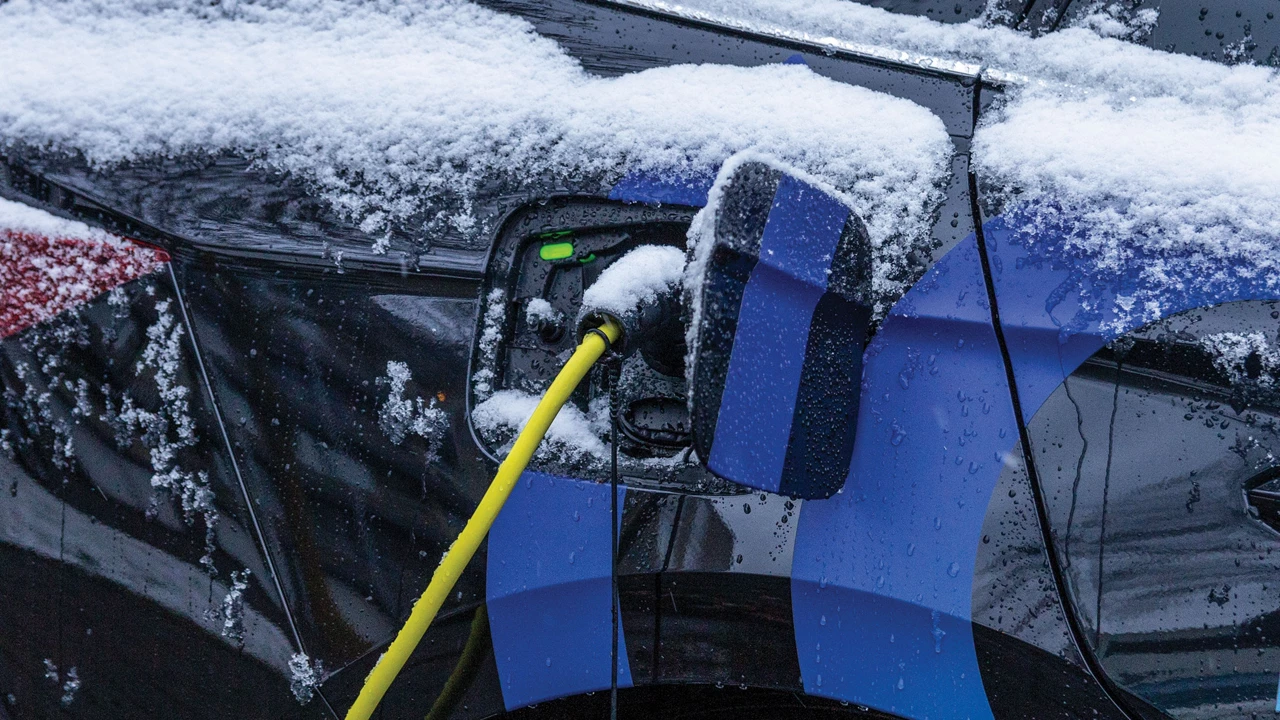
The cold temperature does not merely cause the temperature of the air to drop; it alters the physical and chemical makeup of the battery itself. Slower ion movement caused by decreased temperature results in tripling internal battery resistance, and by changing the electrolyte to become more viscous, or thicker, preventing ions from moving through the electrolyte at the same rate as at room temperature. Therefore, at temperatures below 0°C, battery range decreases 20-40% and at 20°F, AAA battery range decreases 41% when heating up the battery for use.
In a recent ADAC test of 14 electric vehicles over a test route between Munich and Berlin (travelling at an average speed of 111 km/h with maximum cabin heating), some electric vehicle models had battery range reduced by 50%, while other electric vehicle models experienced only a 35% reduction in battery range due to the use of sophisticated thermal-management technologies. Furthermore, the use of cabin-heating systems requires between 3 kW to 6 kW of electricity compared to 1 kW to power the vehicle and, therefore, will increase eléctrico use by 25%-30% just to keep passengers warm. Without preparation, executives can expect to spend an extra few hours each week looking for charging stations midway through their trip.
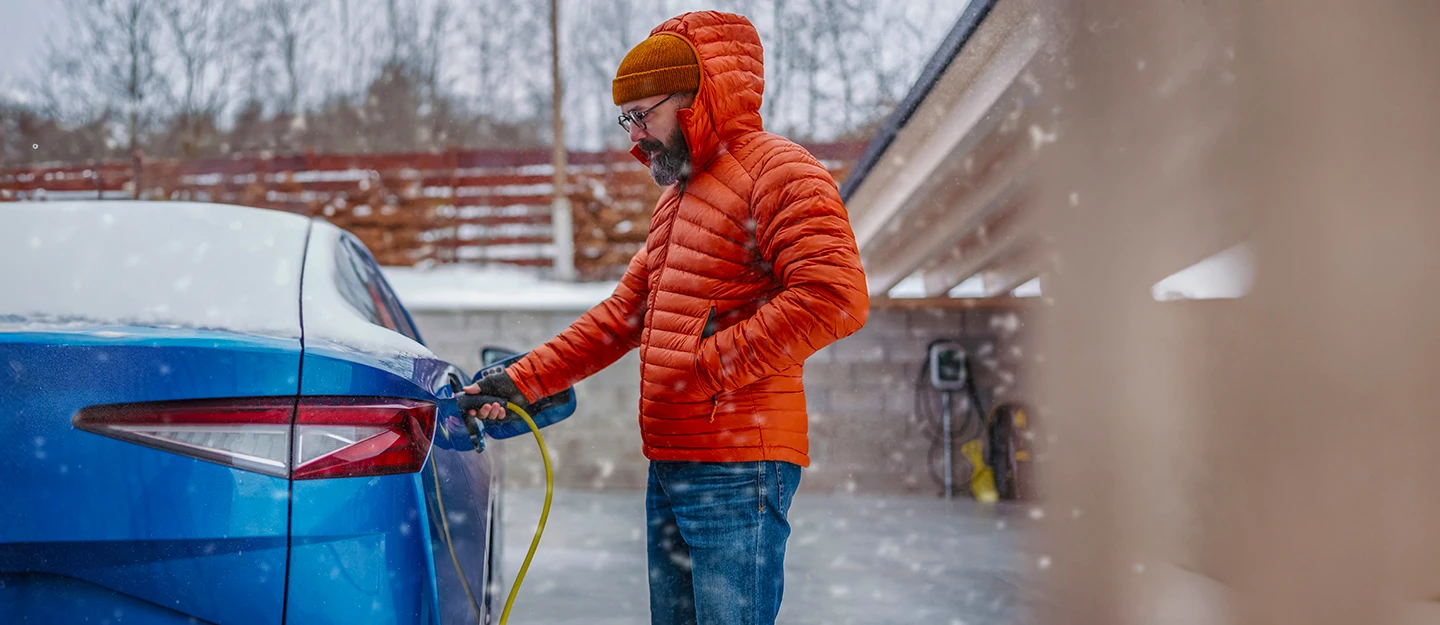
Fleets are also experiencing these difficulties as logistics companies have reported decreased operational efficiency during the cold month of January (15%-20% decrease in operational efficiency) due to unprepared electrical batteries charging slowly due to low ambient temperatures.
2026 Tech Making Winters Manageable
Evolution of battery technology has provided substantial advantages which includes the use of heat pumps. Heat pumps utilize 300% less energy than traditional heating methods (such as resistive wires), which saves approximately 8% to 10% of battery range at -10 degrees Celsius (14 degrees Fahrenheit). For example, the Audi A6 e-tron had the longest real-world driving distance according to ADAC (German Automobile Club) at 441 kilometers compared to Tesla’s Model Y with 406 kilometers of real-world driving distance due in large part to super insulation.
Battery preconditioning is also notable: as demonstrated in test trials conducted in Sweden, app-controlled heating using electrical power from the grid will heat the battery to optimal temperatures (20-30 degrees Centigrade) prior to departure from just after sunset, reducing charging time by 10 to 15 minutes for all vehicles. Recurrent Auto’s 2026 data have shown that the average battery loss at freezing point was cut by 50% from 40% (in 2020 models) to 22% (current models) due to AI-enabled thermal mapping and the use of an aerogel underbody insulation system. Most importantly, business fleets using pre-conditioned batteries had a 30% shorter time duration for Level 3 charges, which reduced the number of urban pit stops.
Daily Habits That Lock In Reliability
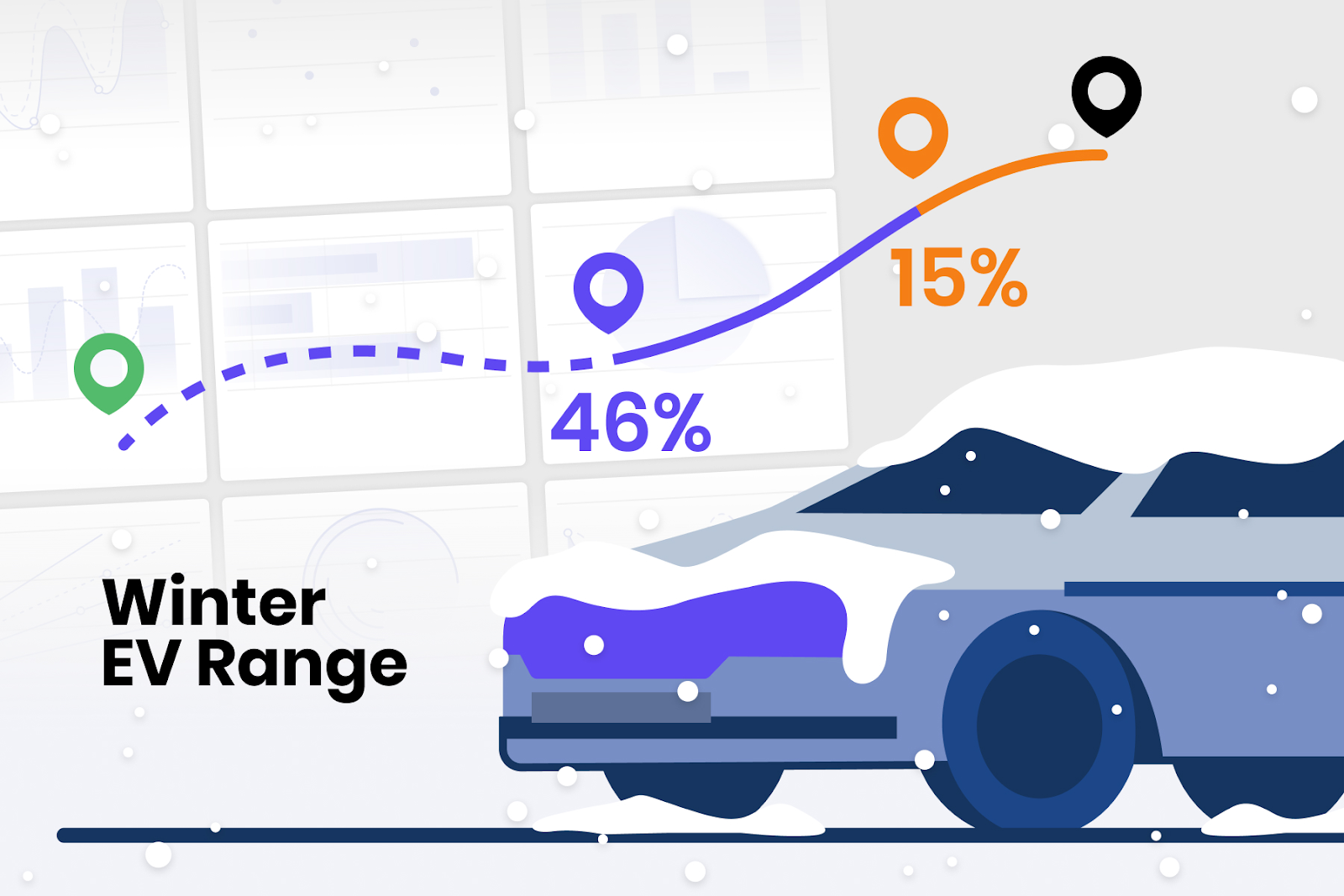
Consistency is more important than doing anything heroic. Plug in overnight to Level 2 and enable preconditioning for your 8 a.m. Start heating up everything with cheap grid electrons vs. precious kWh. If you don't, all the cold soak will reduce your battery range by 10-15% right off the bat.
Next most important, heat smart: use the seat and steering wheel heaters to bring your body to comfortable levels while only consuming 1kW (compared to 5-7kW in full-blast condition), this can increase your effective range for long distances by as much as double! If parking indoors or under a cover, you will stabilize the temperature of your EV for at least 5-8% range simply by parking it in a garage, according to Geotab research.
Use eco-driving techniques: cap speeds at 100 km/h, coast whenever possible, because driving at high speeds on the highway when it's cold can increase energy consumption by 20%.
Use winter (snow) tires, they provide better traction than regular tires and allow regen to recapture energy lost when you slip (showing on ice), improving your effective range by 10-15%.
Smart Driving and Route Mastery
Like a pro, anticipate. Moving gently will give you the best-against cold conditions for maximized “regen” benefit, for potentially retrieving as much as 25% back from stop-and-go driving. Clear your vehicle of snow completely, as 50 extra kg (120 lbs) can cut your efficiency in half when driven 100 km.
Plan your route using apps such as ABRP (adjusting for winter with 20%-30% buffer), as they show the best charging options and account for headwinds and elevation. Charge your vehicle to 80%-90% on a daily basis; charging to 100% puts much more stress (2x) on the battery cells when done under freezing conditions, according to battery industry professionals.
If you have access to a NEMA 14-50 outlet at home that has been set-up with a smart plug for limited amperage, it can help to avoid the risk of lithium plating, if the temperature is below zero degrees Celsius.
Fleet operations in the area should be able to benefit from this approach as well, based on the 2026 logistics reports showing that the use of preconditioned vans will reduce annual energy expenditures by 12%.
Gear Up Infrastructure and Preserve Long-Term Health
The modern EV public chargers are made to withstand extremely low temperatures (as low as -30°C), with insulated boots, and will deliver the maximum speed of charge only if preconditioned. A portable 240V AC to DC charging unit fills the gaps in rural areas.
To prolong the life of the battery pack, avoid deep cycling (0%-20%) and only store when the pack has reached 50% SOC. Perform an annual thermal audit on your battery pack to detect faults, since the micro-cracks may become enlarged by the expanding ice. Future advancements in solid-state batteries will allow for almost zero loss by 2028. However, by utilizing these methods to house the battery pack, the current number of times you can charge your battery pack should extend out to 20%-30% longer than usual.
EVs continue to perform better than ICE vehicles in cold conditions; EVs do not have fuel gelling problems, and the instant torque allows EVs to drive through deep snow while ICE-powered vehicles may not be able to drive through this same snow depth.
According to ADAC, the leading EV brands/washers are more efficient than gasoline vehicles overall; therefore, when you use your winter EV to provide business mobility, you will have a complete range and electricity supply to your work day.
Latest Posts