
The Essential Emergency Kit What Every Driver Needs in the Trunk
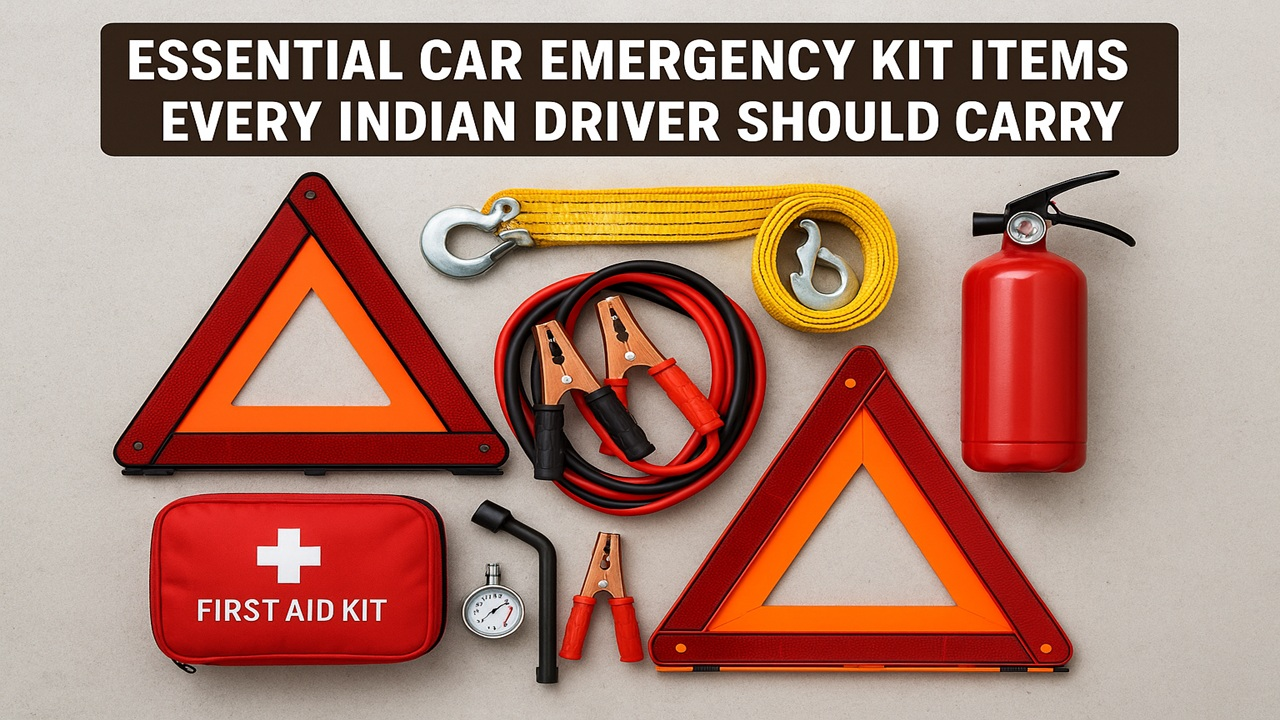
Whether you travel for business and rack up a lot of miles or your family takes vacations by car, an emergency kit is a way to protect yourself from downtime because it costs $150 to put together vs. $200 for roadside service bills.
Having a roadside assistance plan is a great idea, but being able to help yourself will cut your wait time from hours to minutes. Here is what you need in every trunk.
Core Safety: Visibility and Signaling First
Make yourself obvious after you safely pull over. Use reflectors or flares about 50 feet back from your car to warn other drivers; this could save as much as 70% of secondary crashes per NHTSA. Also, use a high-lumen , red strobe LED flashlight to maintain your night vision and signal rescuers.
Wear a brightly colored vest and carry a whistle in the event you do not see other people clearly. In fog or rain, being visible can save lives and save you from any potential legal issues.
Mechanical Must-Haves: Fix It Yourself
Heavy-duty jumper cables (10-gauge, 20-ft); most kits use thin gauge wire. A compact tire inflator with a pressure gauge will solve slow leaks. Avoid bulky compressor inflators unless you are towing a trailer.
An entry level toolkit with a set of screwdrivers, pliers, wrenches, and sockets can be used to loosen lug nuts or reset fuses, duct tape can seal radiator leaks temporarily, and zip ties can be used to hold loose mirrors. An empty fuel can and tow strap can help cover low fuel situations or pulls.
Health and Comfort
The first aid kit should have the following essentials, for treating cuts, allergies and reducing pain:
- Antiseptic wipes
- Bandages
- Gauze
- Tweezers
- Nn-latex gloves
- Ibuprofen
- Antihistamines
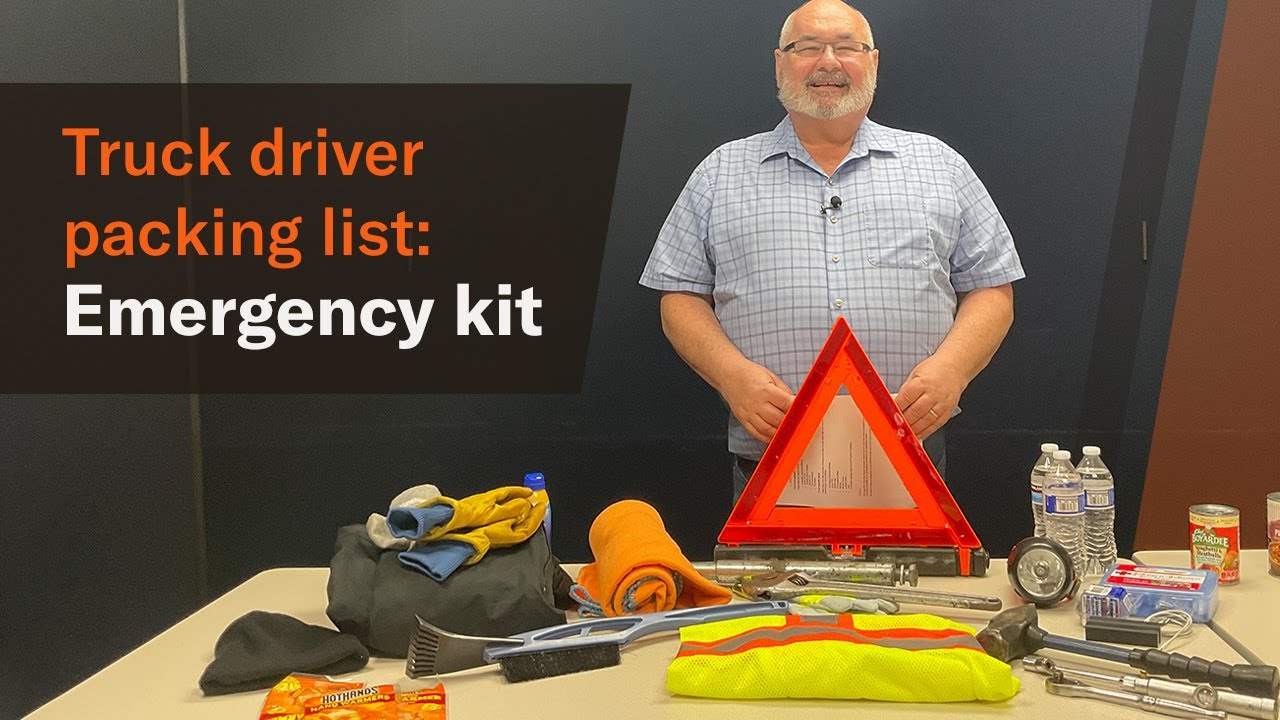
A one-gallon bottle of water per person and packs of non-perishable snacks, such as; energy bars or nuts will sustain you for 24 hours. Mylar blankets will reflect back to you 90% of the body heat that is generated. Hand warmers can help prevent hypothermia. Keep cash (with small bills—no more than $50), a phone charger, and a poncho in a place to have the basics if your credit card doesn't work.
Building Your Kit: Smart and Affordable
Purchase customized pre-made emergency bags ($40); examples include Lifesaver and Ready America; approximate total cost of supplies in kit is $100. Emergency kit should include:
- jumper cables and inflator
- hand tools
- first aid kit
- bottled water
- energy snacks
- space blanket
- reflective triangles
- flashlight with batteries
- reflective vest.
Store in a waterproof duffle bag in the trunk, check quarterly; replace the water bottle in kit every 3 months, replace batteries and medication in kit every 6 months, and replace all perishable items every 12 months.
ROI for businesses with fleet vehicles: More closed deals due to reduced downtime; savings of 20 percent on service visits by utilizing standardized emergency kits.
Cost Analysis: Emergency Car Equipment (Kits) vs. Emergency Service (Towing Service)
The cost of a full set of emergency car equipment (an emergency car kit) is about $150. In one year, that same emergency kit will pay for itself 10-fold based on the average cost of vehicle towing provided by AAA - a typical tow is approximately $175. If you are in India and utilize a roadside flat tire service, you will pay about ₹3,000 for services performed. If you need to replace a bad battery, you will incur approximately ₹1,500 in labor costs to have someone perform that service as well.
Another benefit is that fleets (companies that own and operate multiple vehicles) that implement emergency car kits and compare their time lost due to downtime vs. those fleet companies that don’t have emergency car kits experience 25% less downtime when utilizing emergency service.
Additionally, UPS, which implements emergency car kits in their fleet, experienced a decrease in their overall time lost to customers by 10%, while also experiencing an average of 4.5 minutes less wait time for families with children who utilized roadside emergency services.
Many auto insurance companies offer discounts of 5% to 10% for families who have access to an emergency kit, with some of these companies using mobile applications (e.g., PolicyBazaar app) to provide those discounts.
The average cost of a pre-made emergency kit is $40; the cost for customizing one is approximately ₹8,000. The long-term financial returns are compounded in that if you prevent one vehicle tow, you will save more than enough money to cover the entire cost of your emergency kit for the next 10 years.
Roadside Legal Protection: Documents That Save Headaches
The most affected documents in emergency cases are your vehicle registration, proof of insurance, and driver's license. You should keep digital files of these documents saved on a flash drive (as well as copies) in a waterproof bag.
According to the National Highway Traffic Safety Administration (NHTSA), 15% of breakdowns result because the motorist does not possess the necessary documents like, proof of vehicle ownership; proof of insurance are required for the breakdown to be transported by a towing company.
You should have an emergency contact list with the names, localities and phone numbers of your close relatives, roadside service companies and most importantly a local reliable mechanic.
Failure to follow these steps may result in delayed traffic violations as the Delhi/NCR police require proof of ownership in order to proceed with clearing an accident scene; thus, having a laminated copy of such documents will avoid penalties (approximately Rs. 5000) after issuing a notice for committing an offence (toll violation).
Preparation for a Catastrophic Event Pays off
A flat tire or flooded parking lot are not things you can plan for, but an emergency kit in your car will help you plan for emergencies. If you have not already put an emergency kit in your car, do so now – it will pay off in peace of mind!
Latest Posts