
The Gold of the 21st Century A comparative look at Bitcoin vs. Physical Gold as a hedge against inflation
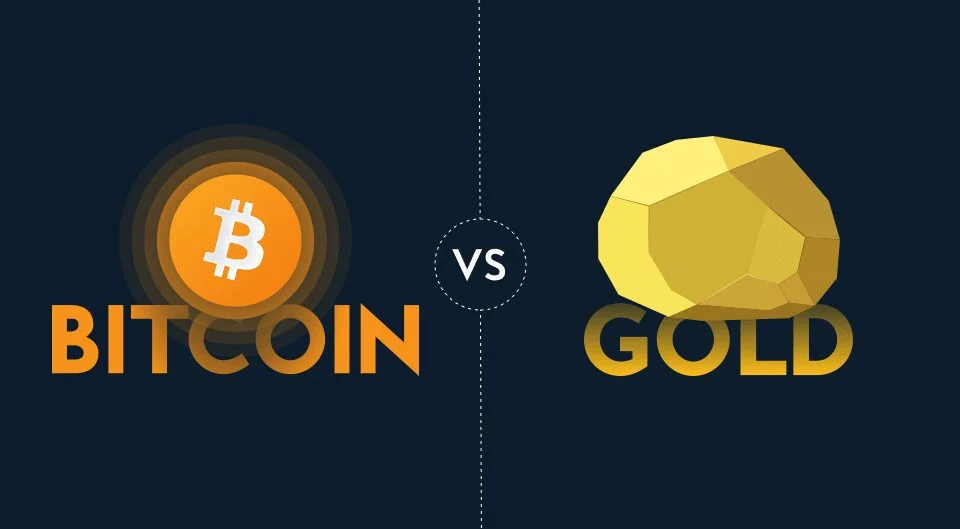
Yet 2022's inflation peak exposed stark differences: gold held flat while Bitcoin cratered 65%. For business leaders allocating corporate treasuries or HNI portfolios, this isn't theory. It's P&L math.
Historical Performance: Gold's Unmatched Crisis Record
For hundreds of years, gold has been a stable store of wealth throughout the many periods of inflation that have come and gone. Over the past year however, many boards of directors have been debating how to incorporate Bitcoin into their existing portfolios because it is billed as being “digital Gold.” Both assets provide a hedge against fiat currency devaluation—gold based on its history of scarcity over the past 5,000 years and Bitcoin with its hard-capped supply of 21 million.
However, when comparing the inflationary peaks of 2022, the two assets diverged significantly: Gold remained flat, but Bitcoin was down 65%. For any business leader making decisions about allocating corporate treasury or HNI portfolios, this is not a theoretical exercise. This is P&L mathematics.
Supply Dynamics: Scarcity Math Compared

Mining for gold provides approximately 1 percent – 1.5 percent of new supply each year, so if you divide that into four – an estimated four thousand tonnes will be created from a total of three thousand tonnes of previously mined gold in just one year. Furthermore, this process is predictable and limited due to the properties of the earth's crust.
With the launch of Bitcoin and its cap of 21 million coins, it has an even larger arithmetical advantage than gold as a result of the reduced rate of issuance after the first Halving event (4/2012) that took place in or about April of 2020, which will roughly drop the rate of issuance to .85 percent (164K BTC) for the annual issuance of BTC until we reach the year 2140.
In comparison, the United States Treasury does not provide any additional paper currency (U.S. dollars) for circulation; therefore, at least half of all Bitcoin's supply will be restricted by a government agency.
As previously indicated, the supply of Bitcoin represents only half of its total potential. The remaining 50 percent represents the demand for gold-based products. Of the 200,000 metric tonnes of gold consumed annually, 10 percent are consumed in industrial applications and 50 percent are consumed in the production of jewelry. Therefore, 200,000 metric tonnes creates an enormous supply and demand spilt within the market.
When you take into account that 95 percent of Bitcoin's market volume is driven purely by financial speculation, it becomes clear that the supply and demand dynamics of the two markets are vastly different. If you subsequently compare the market dynamics between gold and Bitcoin with regard to the central banks' holding of combined approximately 20 percent of the total gold mined inventory, and compare that to the approximately 80 percent of the total Bitcoin mined inventory, you cannot help but conclude that the institutional investment community's level of conviction in both asset classes is quite different.
Crisis Performance: Which Holds Value?
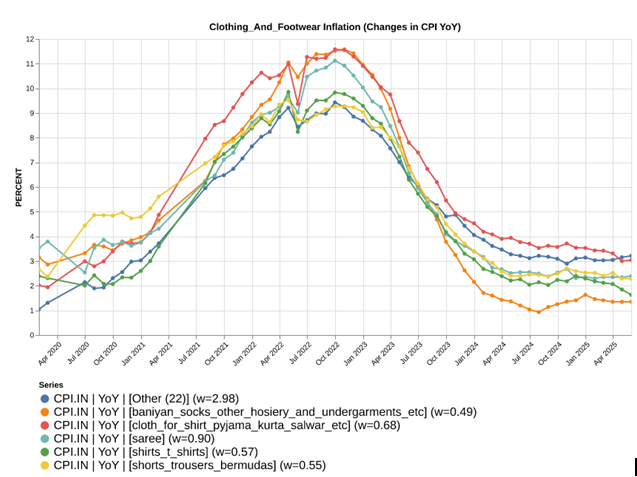
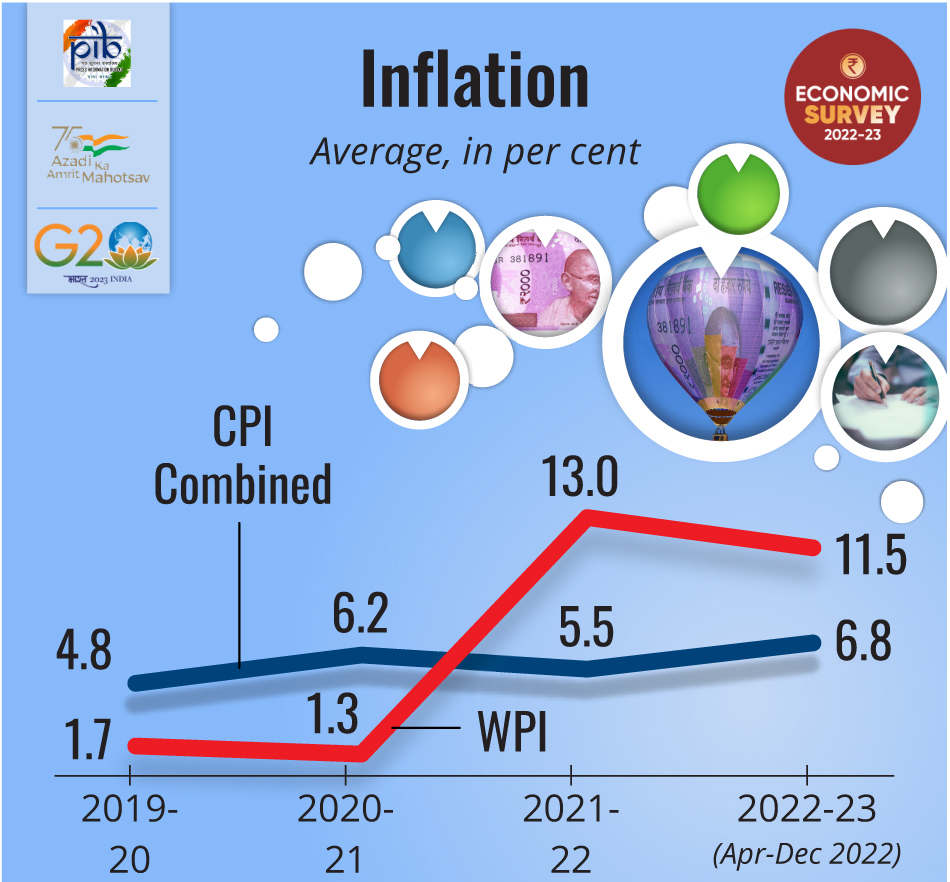
2022 remains that most important factor for determining whether the CPI will return to peak levels (i.e., 9.1% in June) and whether the Fed Fund Rate (i.e., 4.5%) will increase and/or decrease. Gold (i.e., +1.5% in YTD performance) has clearly performed exceptionally well, and Bitcoin (i.e., -65% in YTD performance) has clearly performed extremely poorly with respect to price of physical cash being the main reason for this disparity between both assets. As a result, the relative $0 beta profile of gold during periods of de-leveraging, i.e., that investors would be selling BTC for cash, is clearly consistent with the expectation that gold will be $3,050/oz. (remains stable while the Fed takes its time), and Bitcoin $85,000; (i.e., 60% volatility due to growth-like asset).
The results of correlation analysis clearly show that there is a statistically significant level of co-movement between gold and equities (i.e., Gold's coefficient of correlation (-0.1) to drawdowns of equities and BTC's coefficient of correlation (+0.6) to drawdowns of equities) demonstrating that BTC is a clearly risk asset as opposed to being a safe-haven asset. Corporations have clearly recognized these relationships by increasing their gold allocations 68% subsequent to 2022 while only 12% of corporations increased their BTC allocation.
Corporate Treasury Playbook: Allocation Framework
Gold effectively preserves wealth by acting as a safe haven from currency devaluation and inflation. Allocating 5% to 15% of a portfolio in gold can hedge against inflation, currency devaluation, and increased geopolitical risk. Hold the physical metal rather than gold exchange-traded funds (ETFs) to maintain full control over your physical assets. When investing in gold, choose sovereign-grade gold bullion (London Bullion Market Association - LBMA or other sovereign-type bullion to minimize counterparty risk).

Bitcoin complements the investment in gold because it operates independently of traditional banking systems; therefore, it offers potentially asymmetric risk/return. Allocating between 1% and 5% of the total portfolio to Bitcoin can generate returns 5X to 10X greater than the original investment while limiting the exposure to downside volatility.
If an investor allocates both gold and Bitcoin together optimally, that investor will hold 70% to 80% of their hedge portfolio in gold and 20% to 30% of their hedge portfolio in Bitcoin. In addition, annual rebalancing of a hedge portfolio that contains both gold and Bitcoin allows an investor to take advantage of the differences in their business cycles. An investor can sell shares of bitcoin when it reaches a peak price and then use those proceeds to purchase gold when the gold price has recently dropped.
Indian Investor Context: Rupee + Global Risks
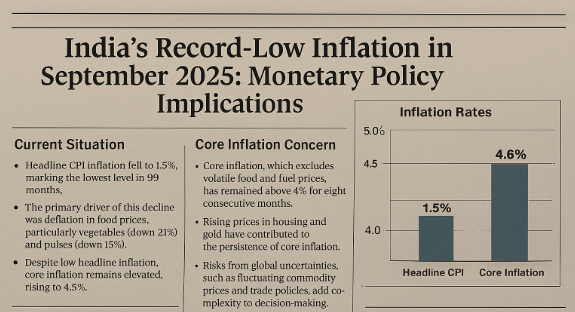
The demand for gold in India reaches approximately 800 tonnes/year, making up 25% of the world's total demand. In addition to the 2.50% returns generated through Sovereign Gold Bonds (SGBs) based on current appreciation rates, they are tax-free. The Indian rupee has faced 86 rupees/USD this past year so that Gold and Bitcoin together can provide hedging opportunities for investors.
Since 2025, there have been over 12 new Gold ETFS and four Bitcoin funds launched by domestic mutual funds. An average of 8% (6% gold and 2% crypto) of family offices' portfolios is invested in alternative investments. Since 2022, the Reserve Bank of India's (RBI) gold reserves have more than doubled from 436 tonnes to 876 tonnes.
The Verdict: Gold Anchors, Bitcoin Accelerates
Whereas gold offers historically reliable inflation protection, particularly in times of crisis, bitcoin presents a more compelling investment case due to its far superior supply model and the potential for tremendous upside.
In summary, gold constitutes the anchor for investments in the 21st century, while bitcoin serves as an accelerator. Portfolios that do not utilize this balance will either be exposed to stranded inflation or may miss out on the adoption of digital gold.
Latest Posts