
The Impact Of Virtual Reality On The Future Of Social Interaction And Education

Neglecting virtual reality by businesses may be detrimental, as there is a projected $50 billion market for enterprise-based virtual reality, with 38% annual growth expected through to 2028!
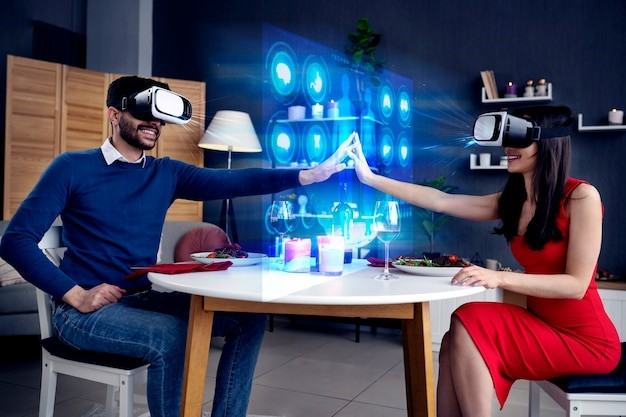
Social VR: Presence That Zoom Can't Match
When compared to video, physical presence establishes trust three times faster than anything. VR social platforms provide eye contact, spatial memory, body language, and anything that flat screen formats remove. With Rec Room having over 70M monthly users, they spend an average of 200% longer on the platform than Twitch viewers. The longer you spend with these shared virtual spaces (45% more) the more you feel connected to your colleagues versus normal video calls.
As such we are starting to see businesses develop their application of the VR social space very quickly.
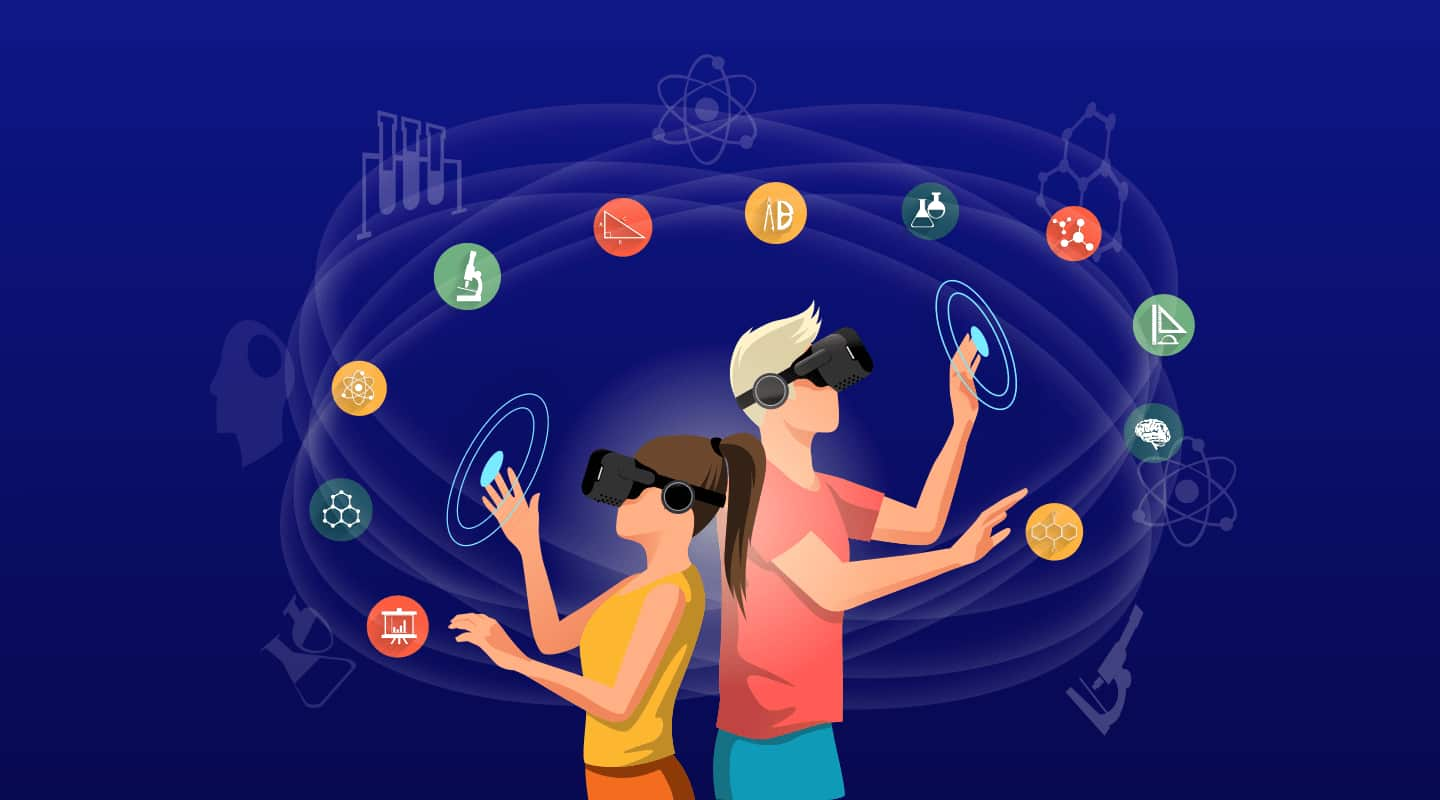
Here are a few examples of this emerging area:
- Client Entertainment: virtual concerts or sporting events with C-level clients.
- Team Building: participating in cross-office happy hours or sharing experiences.
- Customer Communities: creating branded VR spaces to foster loyalty programs.
- Sales teams have shown to be able to close deals 28% faster by "experiencing" their Product in VR rather than through demo videos.
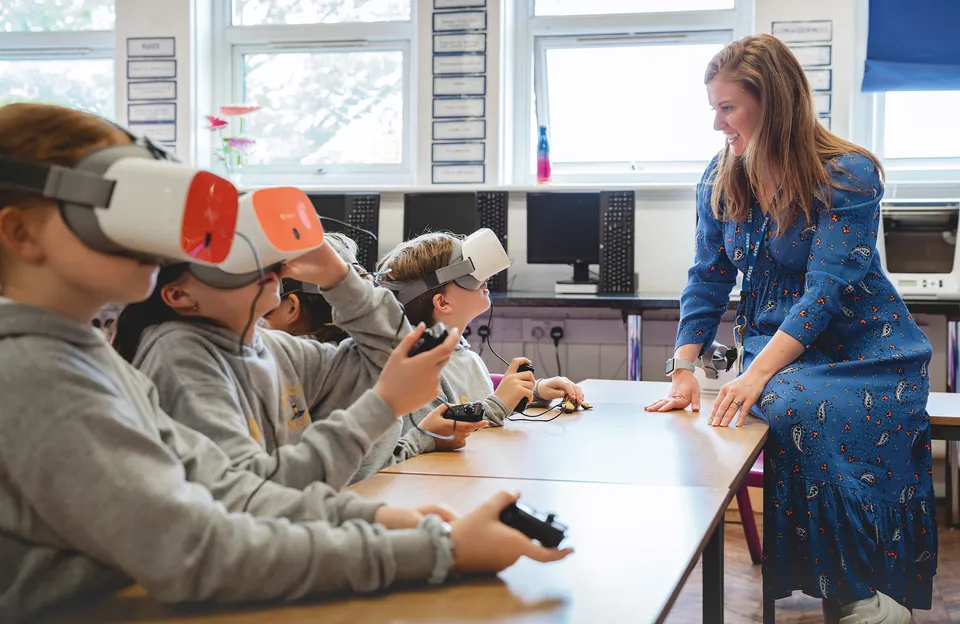
Education's Perfect Medium
VR adds to whatever is already present. Great teams get better; bad cultures expand the toxicity further in three-dimensionality. Team dynamics within VR expose the underlying tension at a faster rate than the usual anonymous digital channels such as Slack.
- Screening procedures include:
- 30-minute onboarding VR coffee chat determines cultural fit
- VR collaboration patterns are used to predict our ability to perform.
- All leaders must complete empathy training for all managers.
- HR departments should evaluate the success or failure of VR participants using the same analysis as that of e-mail sentiment.
The Hardware Tipping Point
Apple Vision Pro changed economics. Enterprise pricing dropped to $2,499 with bulk licenses. Standalone headsets (Quest 4 projected Q4 2026) eliminate PC tethering. Battery life hit 3+ hours. The resolution passes the "retina" threshold.
Deployment math works now:
- Pilot: 50 headsets = $125K
- ROI: 6 months via training savings
- Scale: 500 headsets = enterprise standard by 2028
Remote work killed office watercooler talk. VR recreates spatial serendipity at scale.
Platform Wars and Business Strategy
The battle for virtual reality supremacy is between Meta, Apple, and Roblox. Both Meta, with over 300K daily users, and Apple, who has built trust with the enterprise, have large user bases while Roblox connects with 200M Gen Z users. Strong positions for each company include Meta being a consumer brand; Apple focused on training executives and engaging clients; and Roblox focusing on youth marketing and product testing for Gen Z. Expect interoperability (single avatar across platforms) by the third quarter of 2026.
The Relationship Reciprocity Problem
The virtual reality education market is forecasted to reach $13 billion in 2028, with a 45% compound annual growth rate (CAGR). Additionally, the enterprise social VR market will reach $8 billion by 2028, with sales enablement leading the charge. The primary market players will be Apple for premium hardware and Meta for volume-based hardware.
The following vendors should be considered for investment now: training platforms (STRIVR and Mursion) and spatial content management systems (CMS) (Unity and Unreal).
Social interaction through virtual reality does not replace traditional physical connections with others; it creates entirely new levels of relationships. Executives who see the human aspect of spatial computing will have an advantage over those who remain two-dimensional.
Enterprise Deployment Playbook
- Step 1 (0-6 months): Testing Sales Coaching and Leadership Retreats
- Step 2 (6-18 months): Required Training and Customer Demos
- Step 3 (18+ Months): Establishing Daily Collaboration in Place OF 60% OF Anytime Meetings via Zoom.
- Actual Budget: VR Headset = 1/12 of the Average Yearly Zoom Licenses (per person) = WORKS ON MATH
The Social Contract Shift
In VR social interaction, the establishment of new norms occurs. It is easy to indicate your personality by how you choose your avatar. Where you position yourself in relation to others gives information about how you view the hierarchy of the group. The way a person changes their voice will be developed into a skill in social interaction.
The way business etiquette is conducted will continue to change over time:
- The way we do virtual handshakes will be established as standard procedure by 2027.
- Eye contact will be required in all areas that are considered professional.
- Personal space will be treated with respect regardless of each culture.
- Generation Z has entered the workplace with the expectation that they will use spatial computing by default.
Investment Thesis
- VR will be a $13B Education Market by the Year 2028, Growing at 45% CAGR
- Enterprise social VR will be an $8B Industry by 2028, with Sales Enablement Being the Leading Product
- Premium Hardware (Apple) Dominates the Premium Hardware Segment; Volume Hardware (Meta) Dominates the Volume Hardware Segment
- Consider Buying Training Platform Providers (e.g. STRIVR, Mursion) and Spatial CMS Providers (e.g. Unity, Unreal) Now!
- VR Enables Social Interactions But Does Not Replace Physical Social Interactions; It Creates New Categories of Partnership at Scale. The Executive Who Understands the Human Layer of Spatial Computing Will Be First To Move Ahead of Others Who Are Still 2D.
Latest Posts