
The Over-Optimization Backlash Moving Beyond Strict Metric Tracking Toward Sensory, Intuition-Based Mindfulness
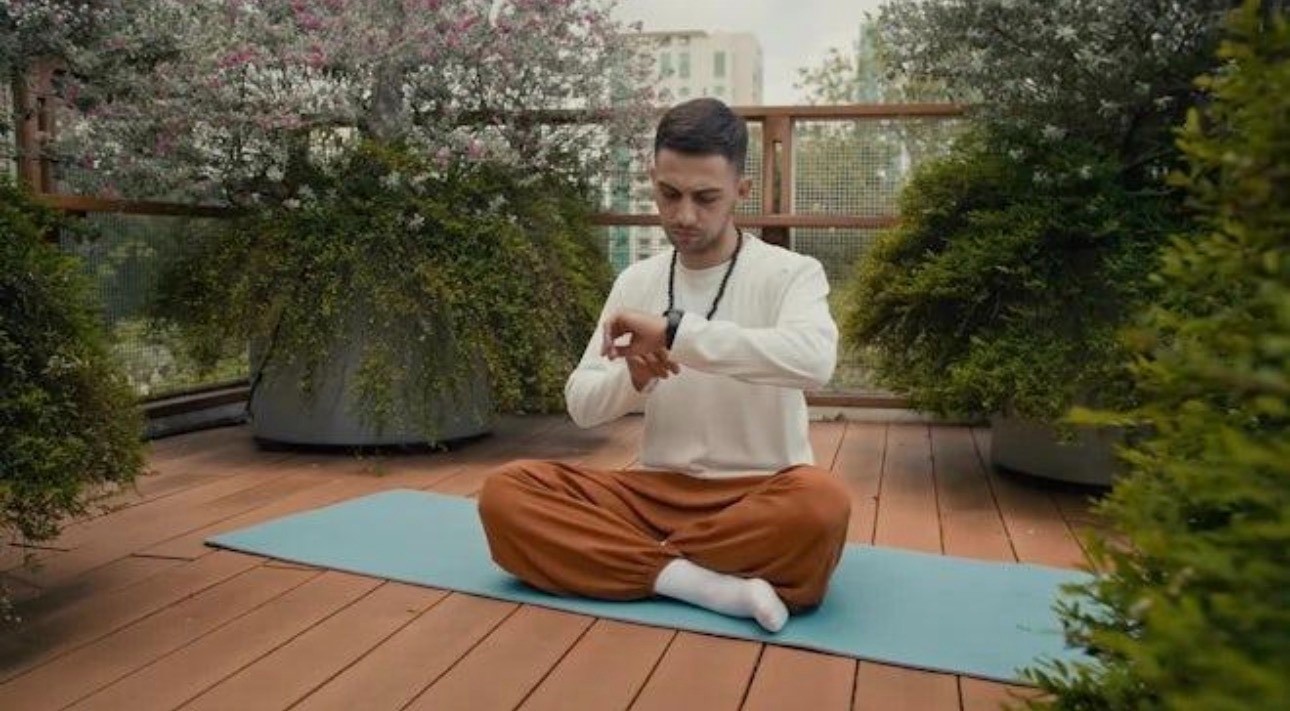
It seems like there is nothing in our lives that we do not measure anymore.
This way of tracking everything has helped people make their lives better in ways. Some psychologists and people who practice mindfulness are starting to wonder if maybe we are measuring too much. They think that maybe we should focus on reconnecting with our body through mindfulness.
When Self-Improvement Becomes Self-Surveillance
Digital technology was first used to make people aware of their behaviors and help them get better. Now a lot of people are obsessed with tracking everything they do. They measure how well they sleep, how many steps they take, how much time they spend being productive, how often they meditate, what they eat and even how they feel.
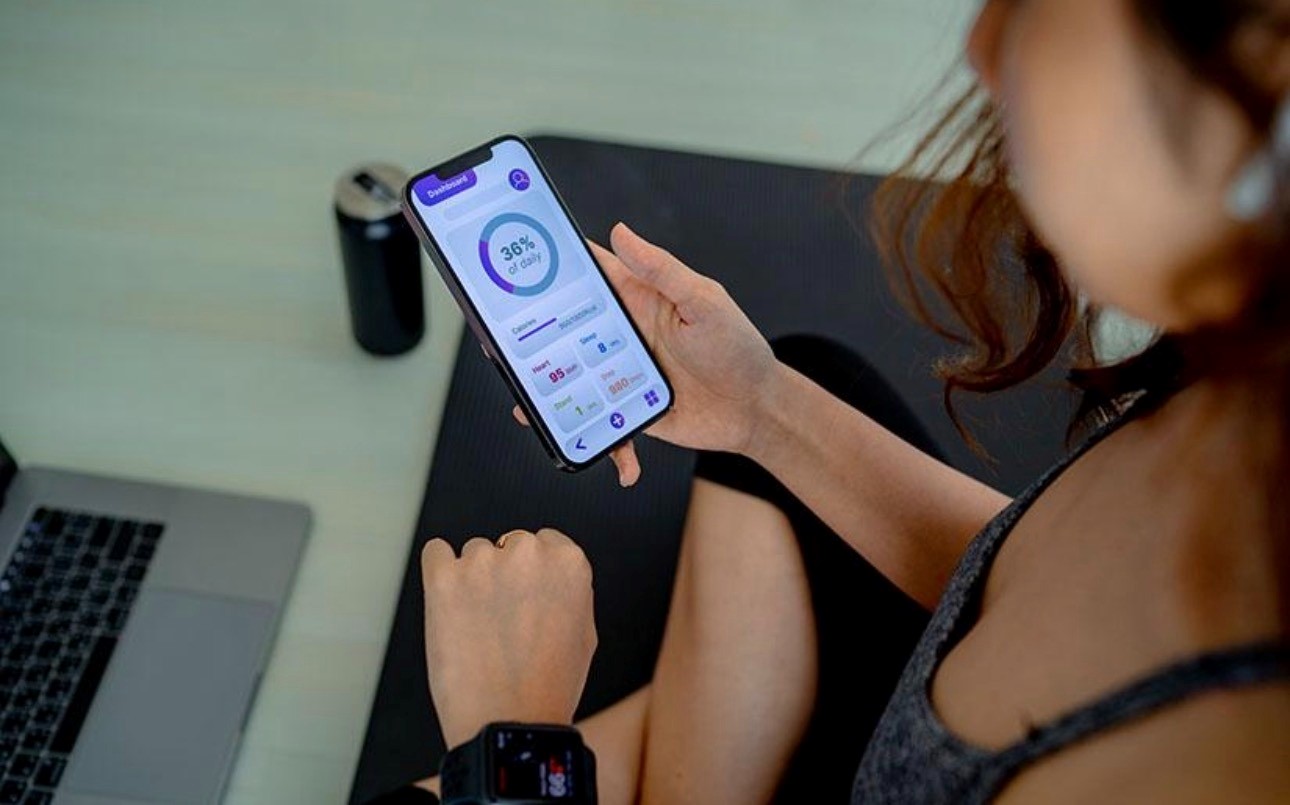
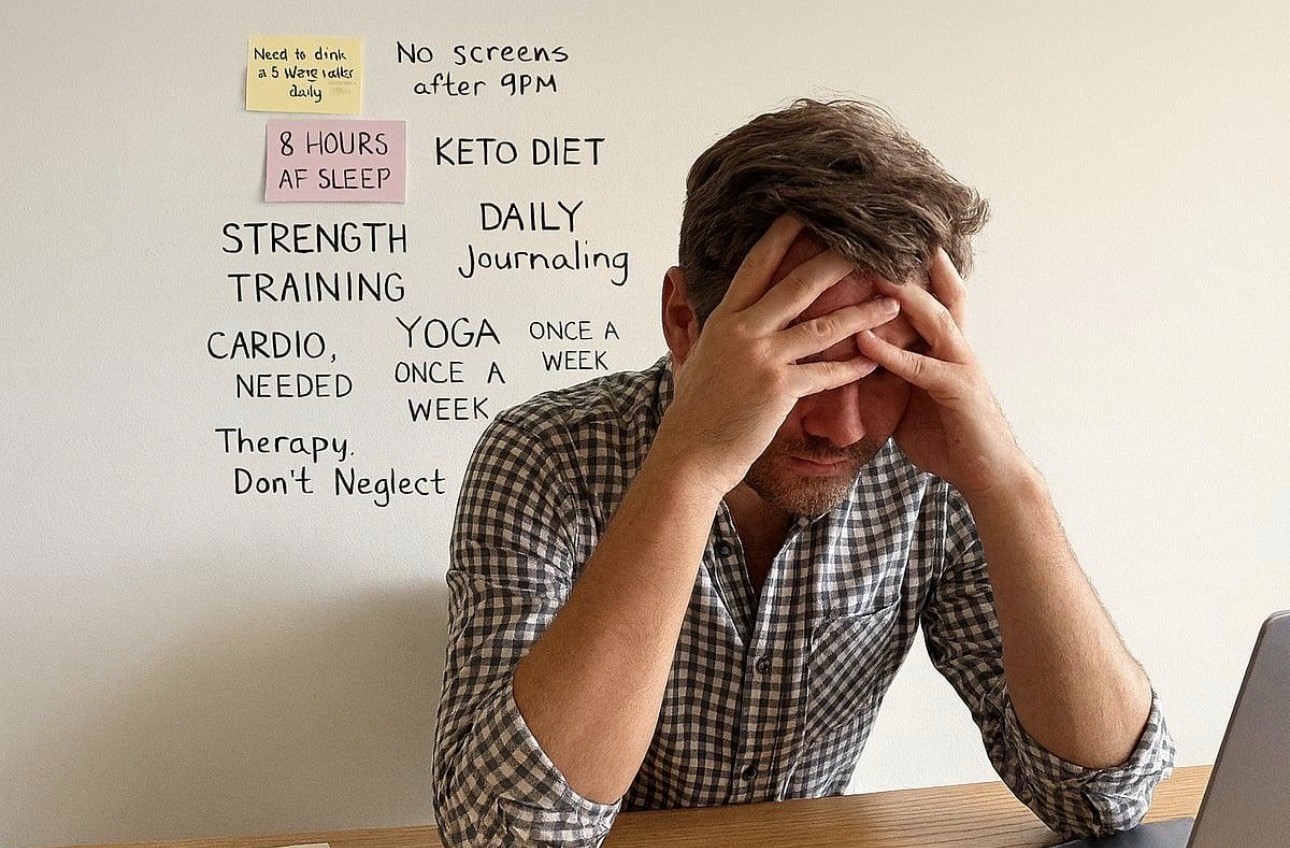
Psychologists say that while tracking these things can help people make choices it also creates a lot of pressure to be perfect every day of feeling healthy and good people get anxious when they do not meet their goals or when their digital technology tells them they are doing something wrong even if they feel fine. The things it tracks like sleep and steps and meditation are supposed to help people. They can make people feel bad about themselves as well.
The Science Behind the Over-Optimization Backlash
According to scientists who study how people behave measuring things can make you more motivated. There is a limit to this. When you measure everything about your wellbeing you might start to feel overwhelmed. You could get tired of making decisions, feel like you’re not good enough and lose the motivation to do things for fun.
People stop exercising just because it feels good and makes them relaxed. Rather, they do it to meet their activity objectives or raise their statistics. Even meditation can become another task to check off. You start doing it to get it done rather than to calm your mind and feel peaceful.
Rediscovering the Body Through Sensory Awareness
Given that people are getting more tired from too much screen time some mindfulness experts are suggesting we focus on our senses again. When people practice mindfulness they often ask how many calories they burned or if their stress is down.
With sensory mindfulness you pay attention to simple things like your breathing, how tense your muscles are, how you’re sitting or standing, the temperature around you, the sounds you hear, what things feel like and how you’re feeling, without jumping to conclusions or overthinking. This kind of mindfulness helps you notice your body’s signals, like when you’re hungry, tired, relaxed or emotional. Research on mindfulness shows that focusing on your senses can help you control your emotions better, reduce stress and improve your health and well-being. People are finding it helpful to get back to basics.
Interoception Is Becoming Central to Modern Wellbeing
A term that’s becoming more popular in psychology and neuroscience is interoception. It refers to how our brain can sense and understand what’s happening inside our body like our heartbeat, breathing, thirst, hunger, muscle tension and emotions.

Individuals who have strong interoception skills are more emotionally intelligent, resilient and decision-making. They can notice changes in their body and handle stress better before it gets too much. We can develop this ability through practices like breathing and moving our body which helps our brain communicate with the rest of our body. By doing this our brain learns to understand our body’s signals on its own without needing any outside help.
Intuition Is Emerging as an Important Decision-Making Tool
Indeed for years people thought intuition was not as good as making decisions based on facts. Recent studies in psychology show that intuition is actually our brain quickly using past experiences, emotions and surroundings to make decisions.
This does not mean we should ignore facts and numbers about our health. It means we should use both facts and how our body feels at the time. For example if your fitness tracker says you should work out again because you recovered well but you feel really tired and sore you can ignore it. The same thing goes for when you’re hungry. You’re not sure how many calories you need.
Technology Should Support Awareness, Not Replace It
The people who support mindfulness do not think that we should all stop using fitness trackers and health apps. Technology has really helped us take care of our health, it makes us want to move more and it tells us a lot about our health like how we sleep, how much we exercise and if we have any heart problems.
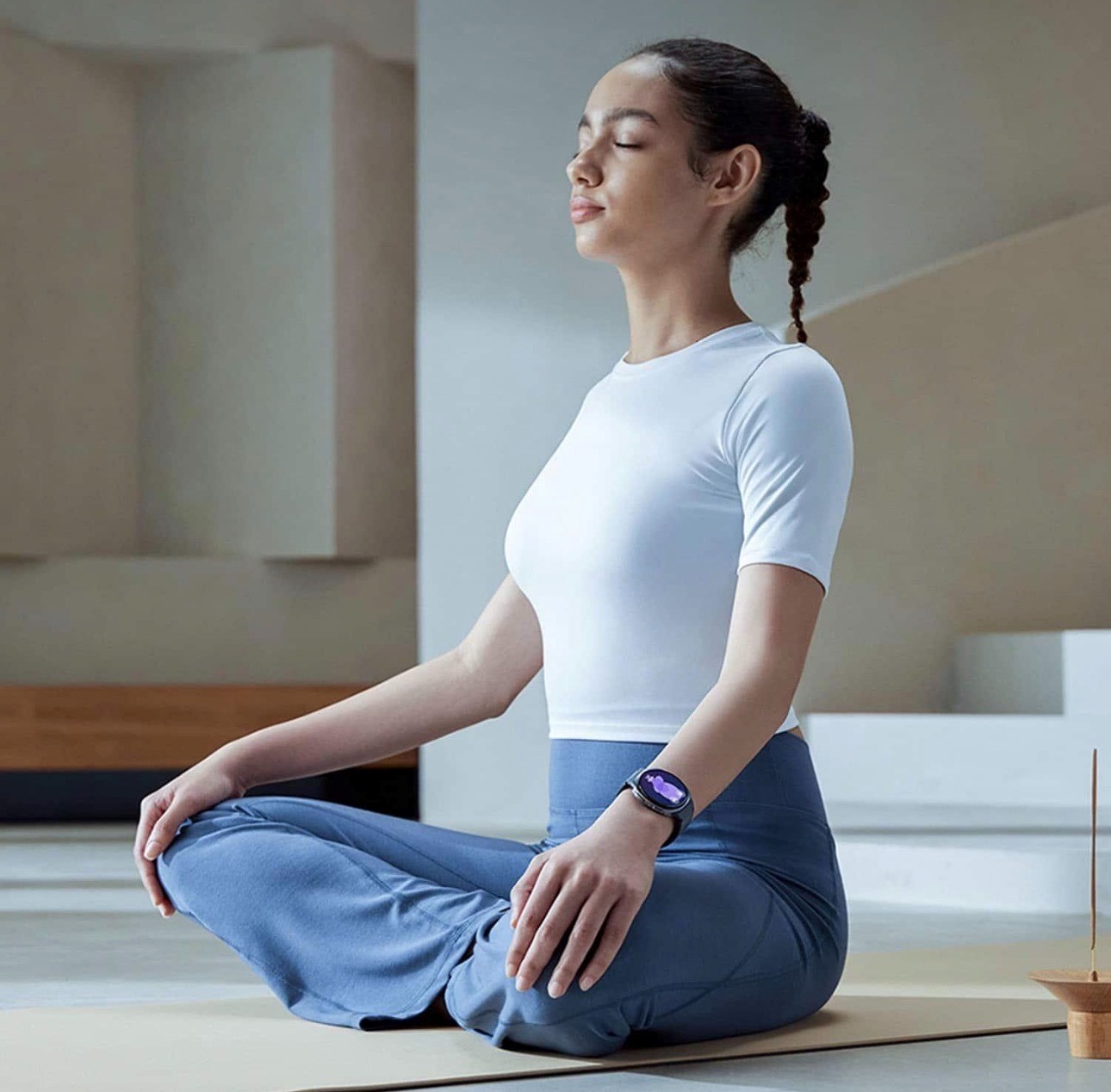
The problem starts when technology becomes more important than how we feel and it starts telling us what to do instead of just giving us advice. Using technology in a balanced way means that we look at the results but we also pay attention to how our body and mind are feeling. Think about if what the device is saying matches how we really feel.
Practical Ways to Practice Sensory Mindfulness
Intuitive mindfulness is not about giving up life or doing hard meditation. Healthcare experts suggest taking a few minutes to breathe mindfully at the start of the day before checking your phone or fitness tracker.
When you eat try to focus on how hungry or full you feel, the tastes and textures of your food and nothing else. Going outside without worrying about tracking your steps or distance can help you pay attention to your breathing, movements and surroundings. Taking breaks at work to scan your body can help you notice if you’re getting tense before it turns into stress.
The Future of Wellbeing May Be Less About Numbers and More About Balance

Therefore, this growing opposition to optimization isn’t about disliking science or technology. It’s actually about understanding that human well-being is more complex than just numbers can show. Data can reveal some trends. It can’t capture how someone feels, how creative they are or how happy they are with their life.
As psychology, neuroscience and mindfulness continue to advance many experts think that in the future well-being will depend on both health data and peoples personal experiences. People will focus less on achieving scores and more on being resilient, being present in the moment and being aware of themselves. The future of well-being will involve a combination of data and personal experience. The story won’t be only about the figures. It is also about feelings and experience of individuals.
Latest Posts